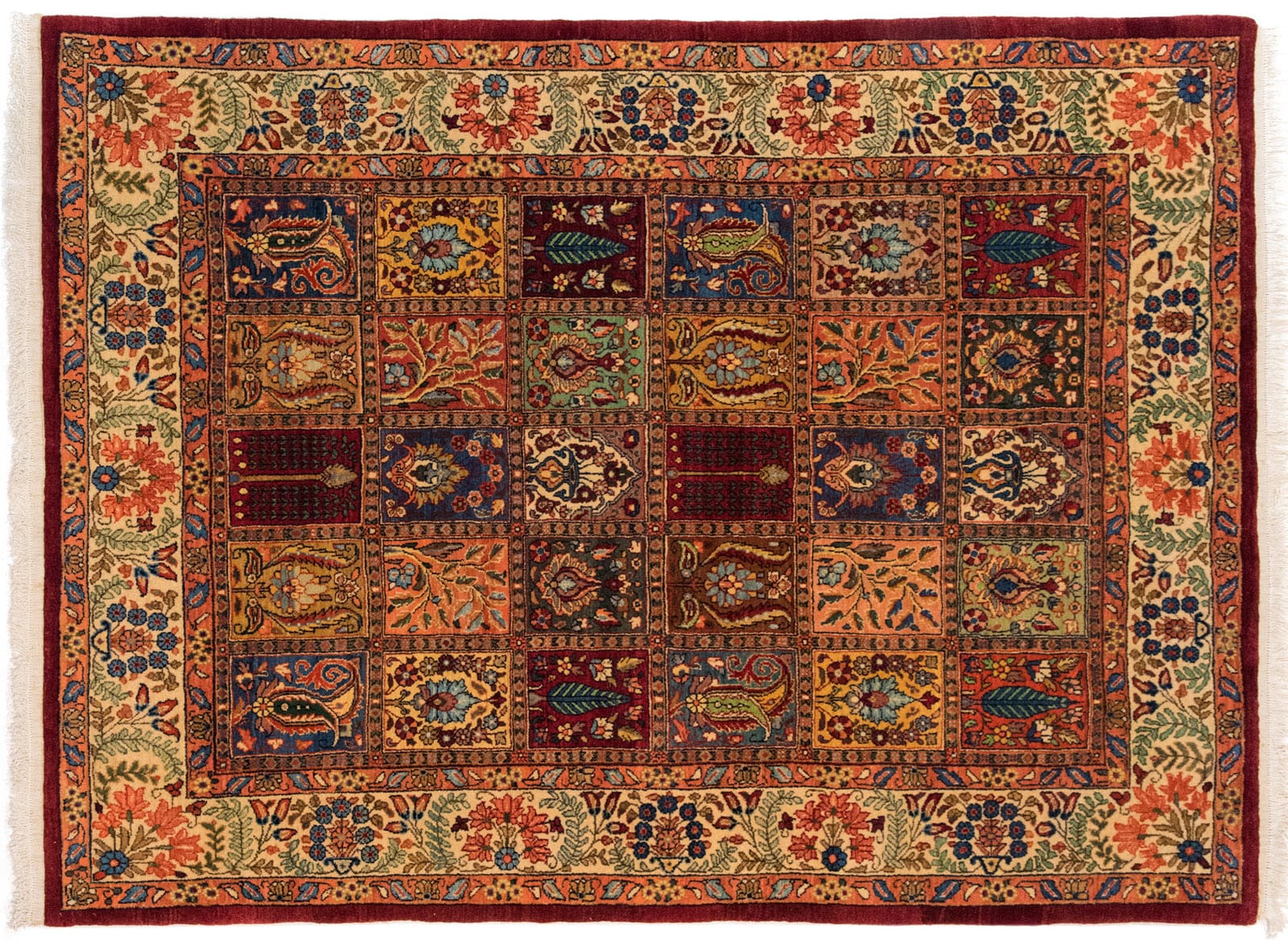
About Farahan Carpet — Guardians of a Historic Rug Region
Farahan — Birthplace of the Ziegler Rugs
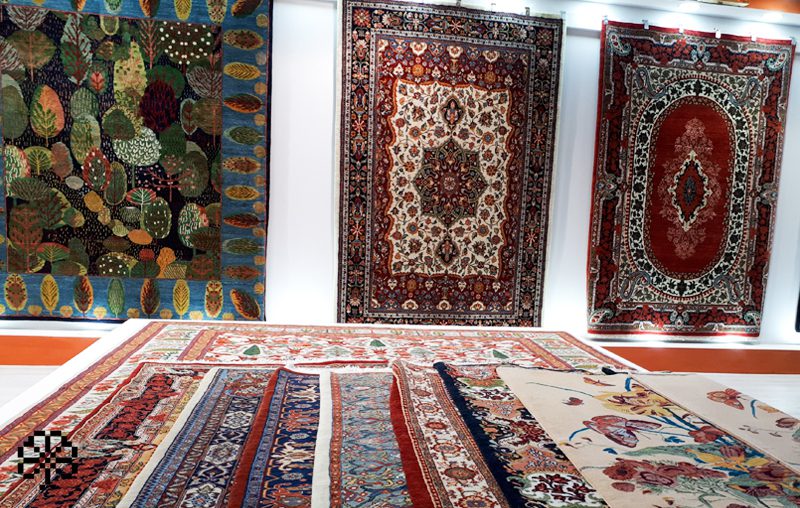
Rugs from Farahan, Sarough, Mohajeran, and Sultanabad rank among the great classics of Persian cultural history, especially those woven between 1850 and 1930, when the region achieved international renown. Many of the finest surviving originals from that era are now held in institutions such as the Metropolitan Museum of Art (New York), the Victoria & Albert Museum (London), the Museum of Islamic Art (Berlin), and the Carpet Museum of Tehran, and continue to set records at Sotheby’s and Christie’s. Farahan Carpet deliberately builds on this era — not as reproduction, but as a genuine continuation of the tradition.
Ziegler–Farahan & Sultanabad — The Historical Roots
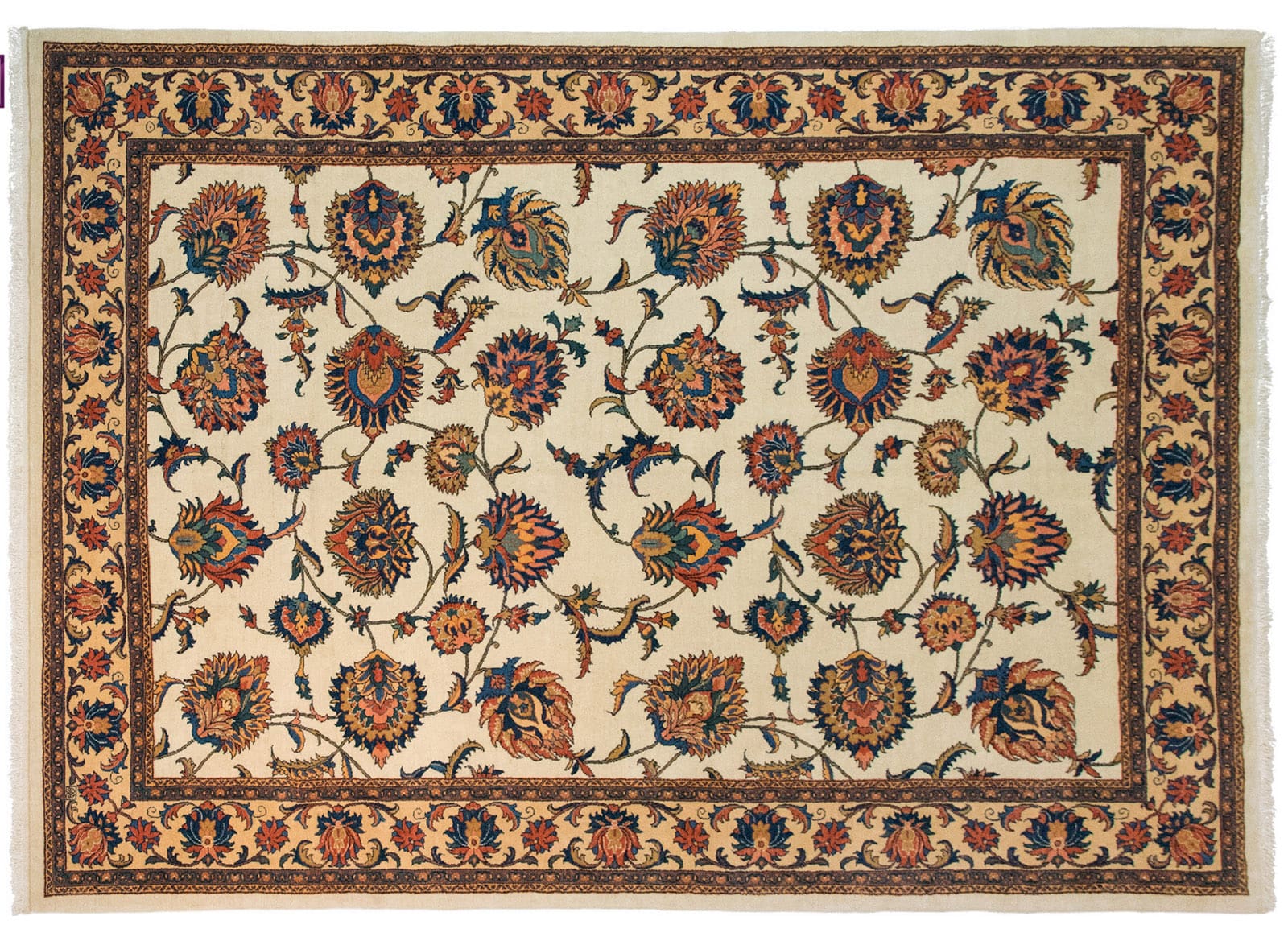
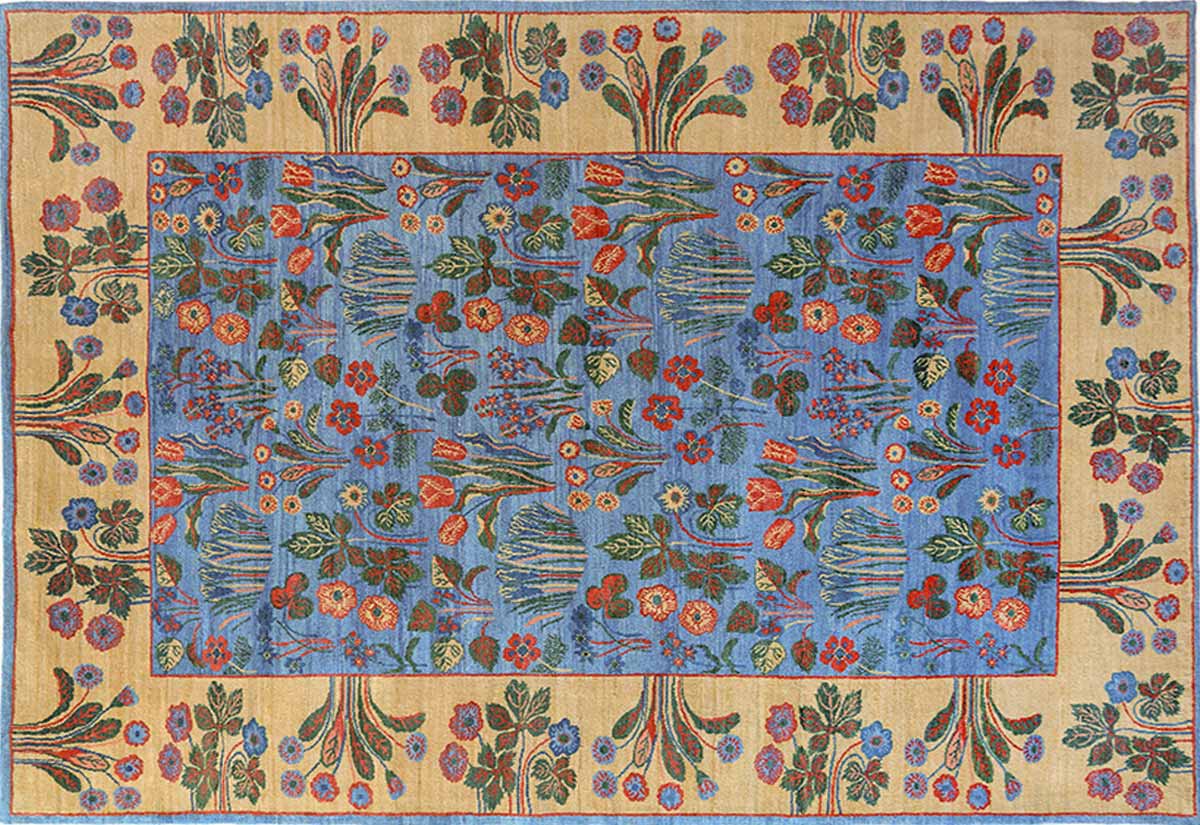
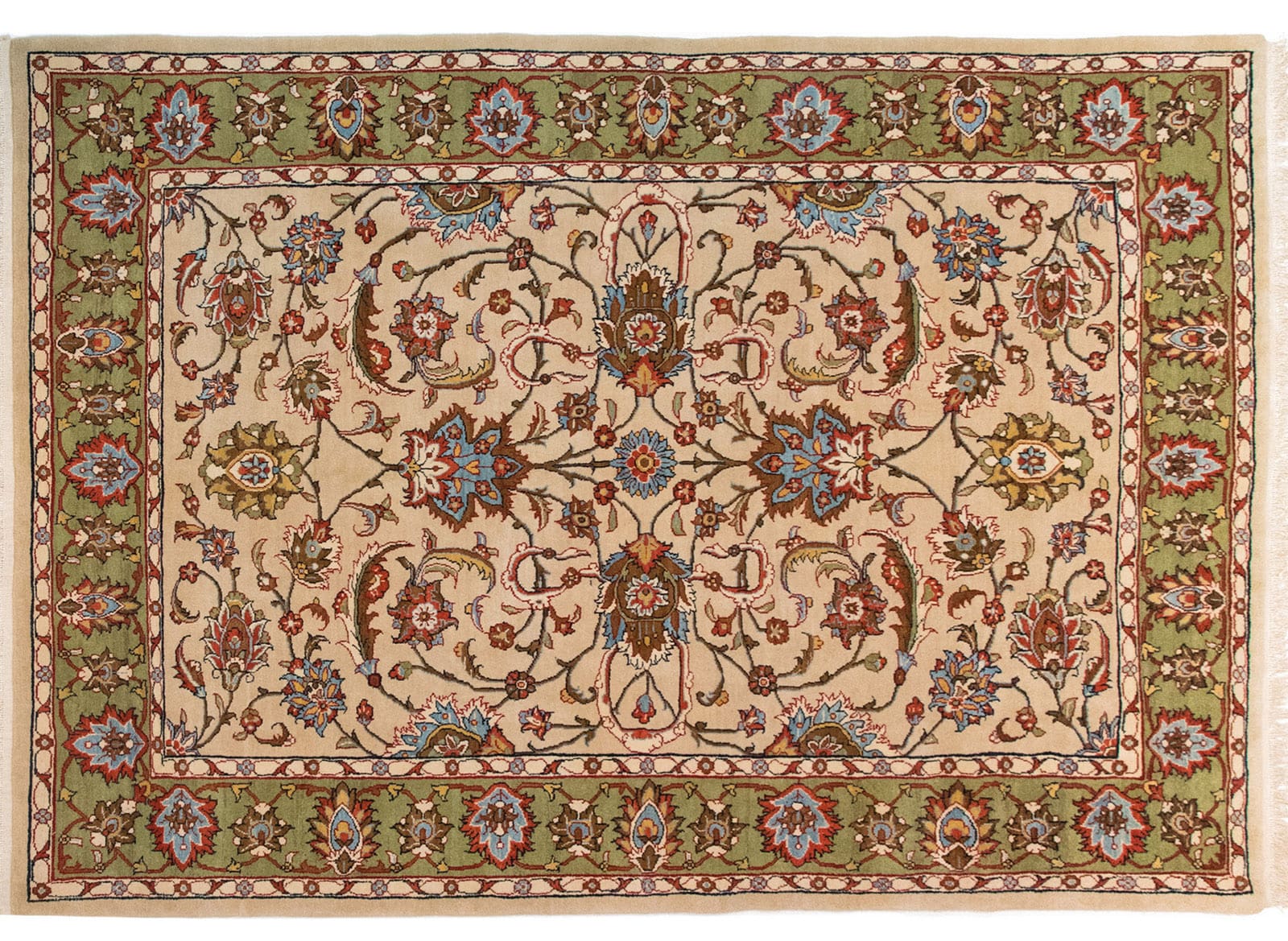
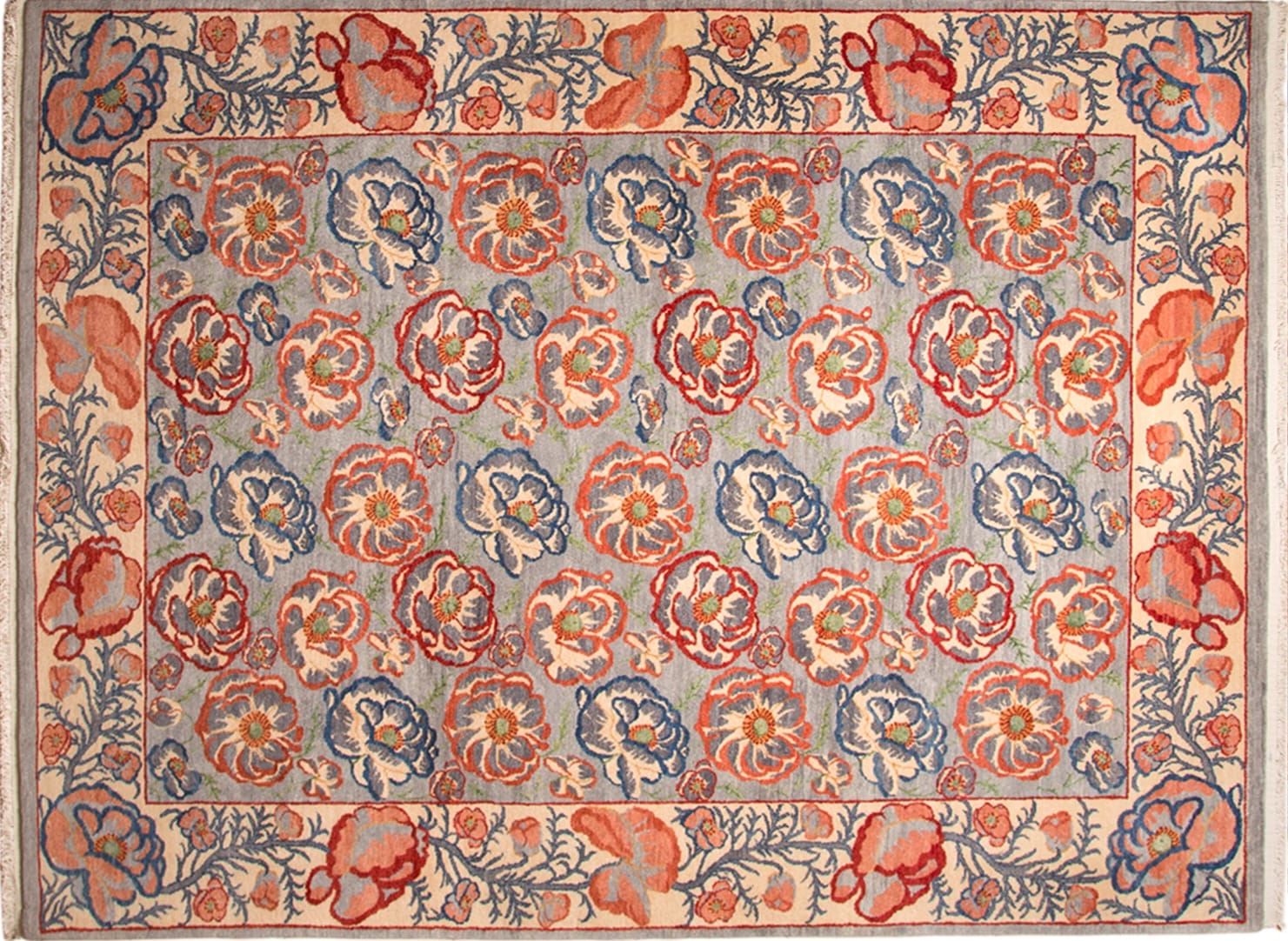
In 1883, the British firm Ziegler & Co. established a production house in Sultanabad (present-day Arak). Their aim was revolutionary: combining Persian craftsmanship with European design sensibility and color harmony. The result was rugs with soft, muted palettes — cream, sage, soft blue — and subtle designs perfectly suited to European interiors. Ziegler–Farahan rugs are today among the most valuable and sought-after antique wool rugs in the world. Farahan Carpet does not produce modern copies; it sees itself as a rightful heir to this tradition, using authentic materials, true colors, and historically accurate structures.
Material Philosophy — Wool and Dyes as They Were 150 Years Ago
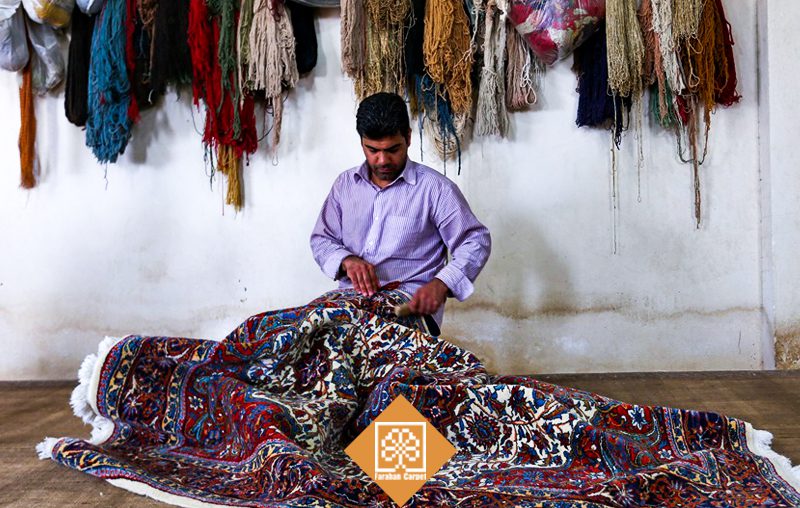
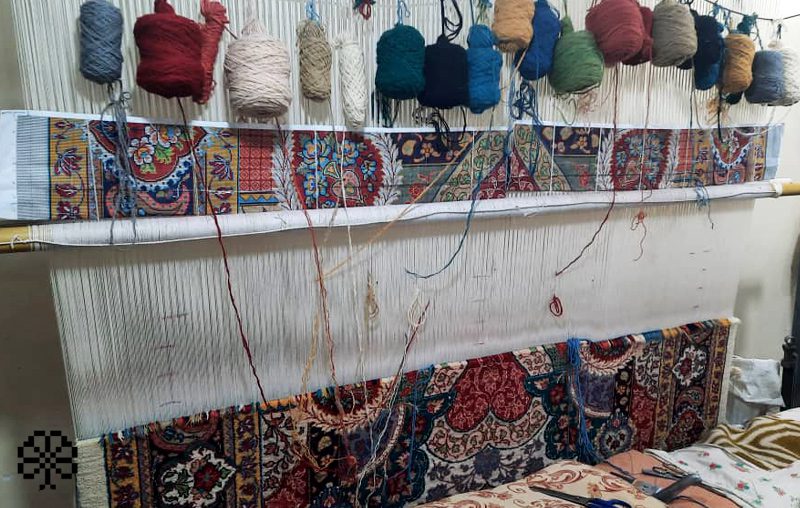
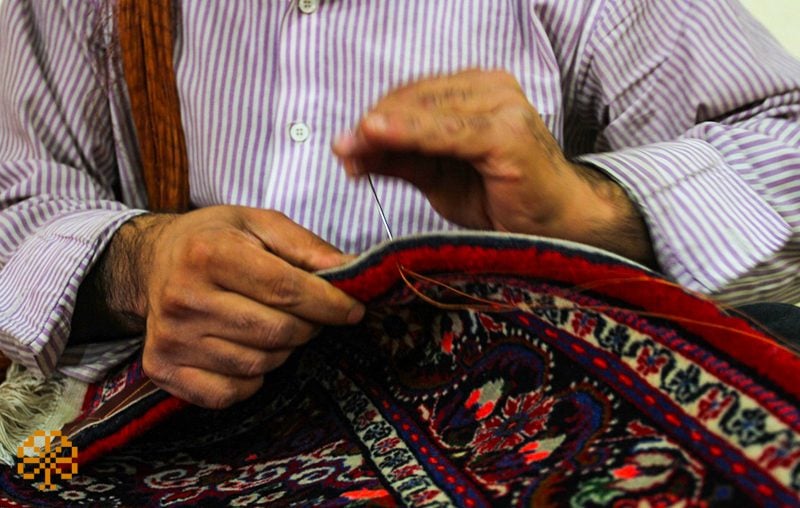
The workshop works exclusively with hand-spun highland wool (with its high natural fat content for a beautiful sheen and exceptional durability) and plant-based natural dyes, made using traditional methods from madder root, walnut shell, indigo, reseda, pomegranate peel, henna, grape skin, and pistachio bark. Dyeing and fixing follow the same recipes used between 1850 and 1920 — producing deep, warm colors, a harmonious patina, a lively fiber structure, and an entirely natural appearance.
The Four Core Design Schools of Farahan Carpet
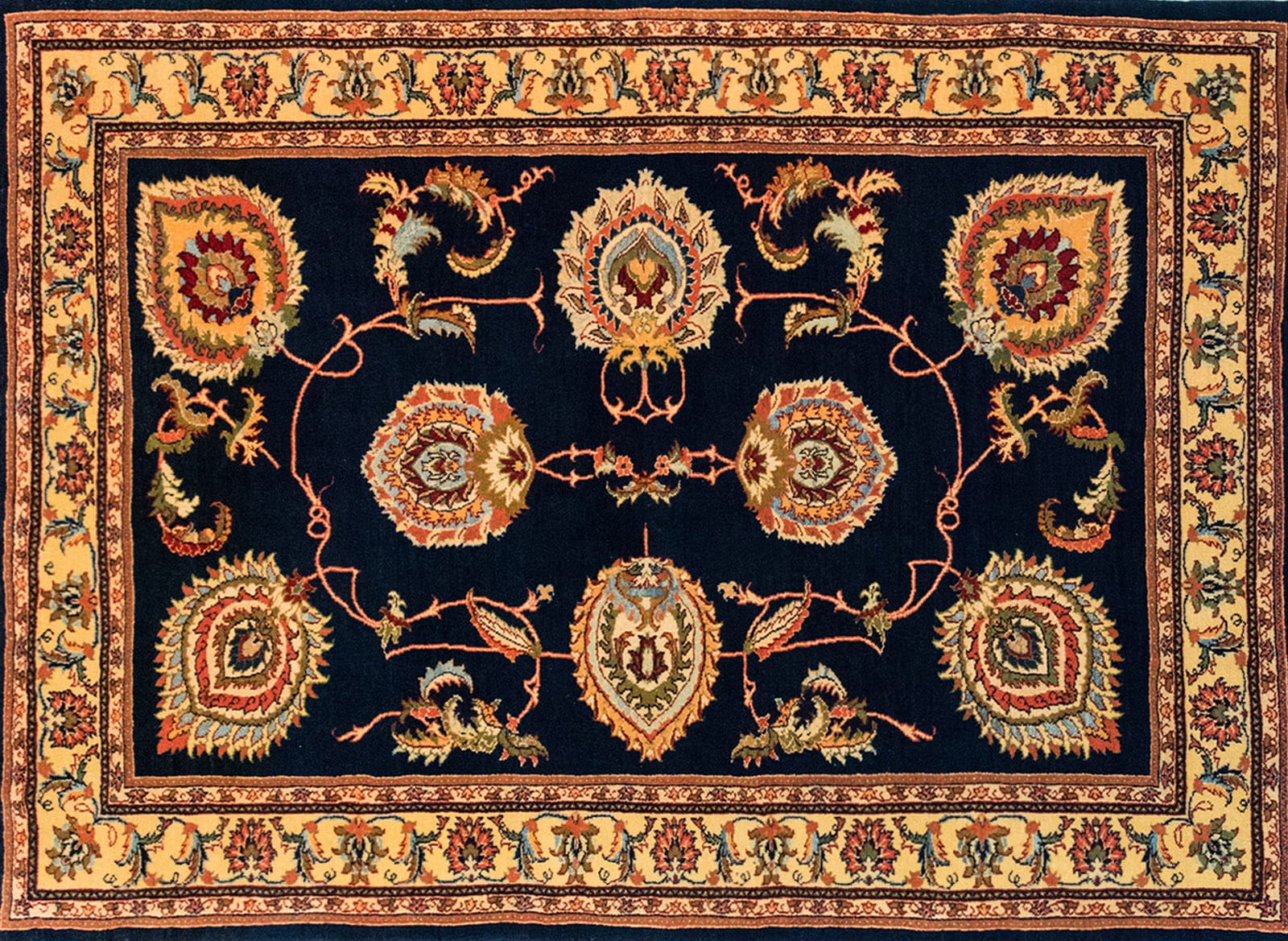
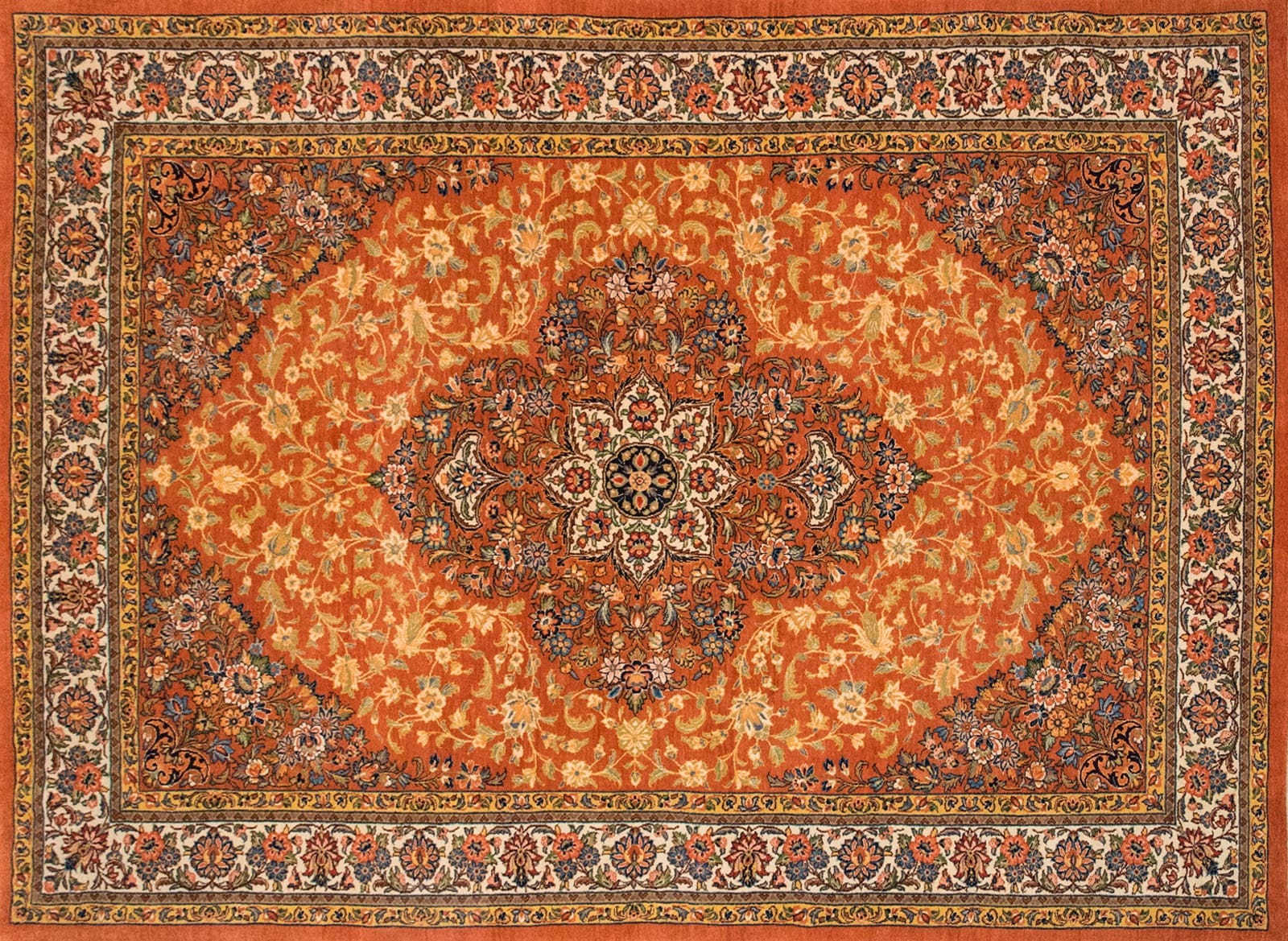
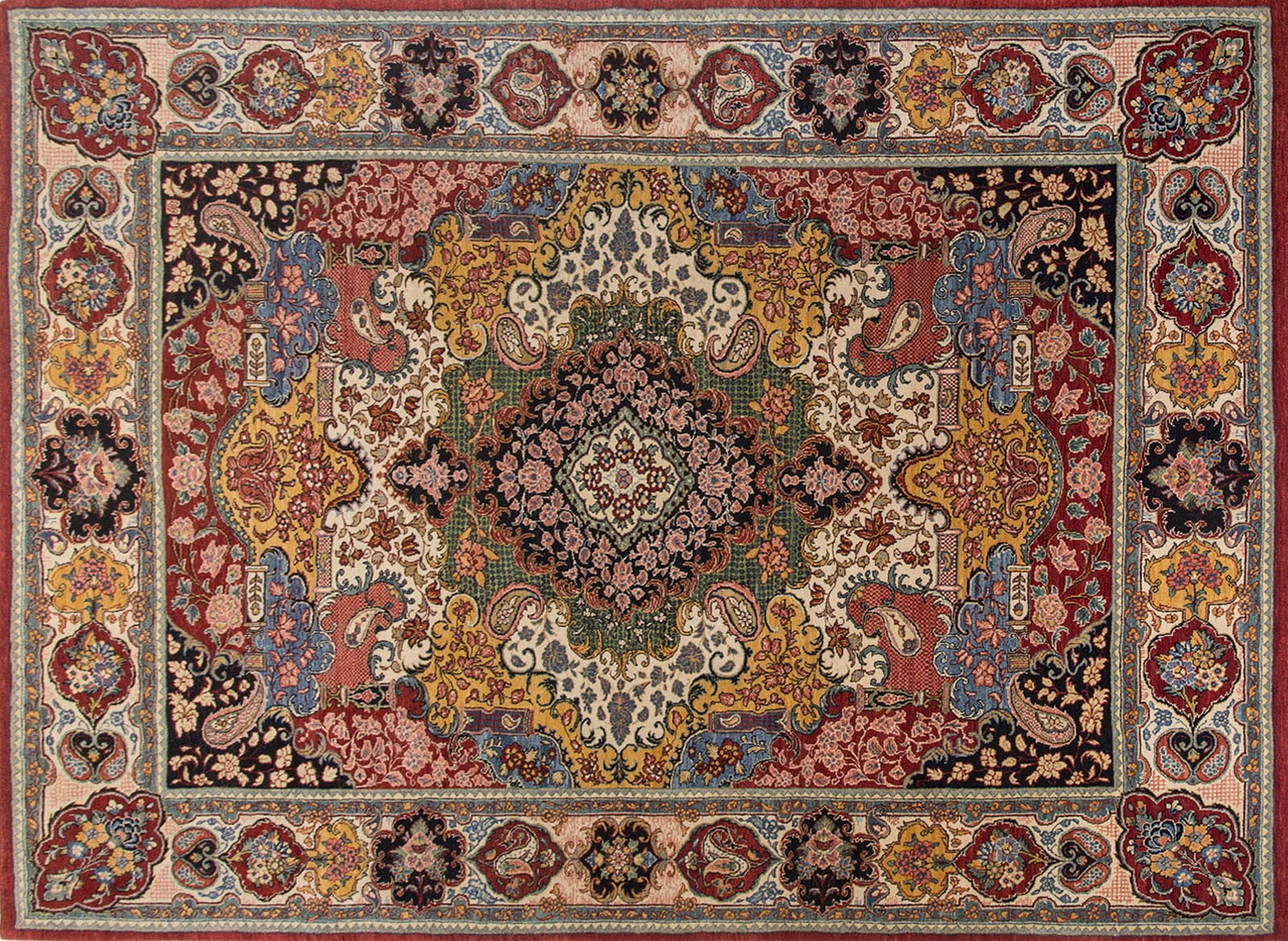
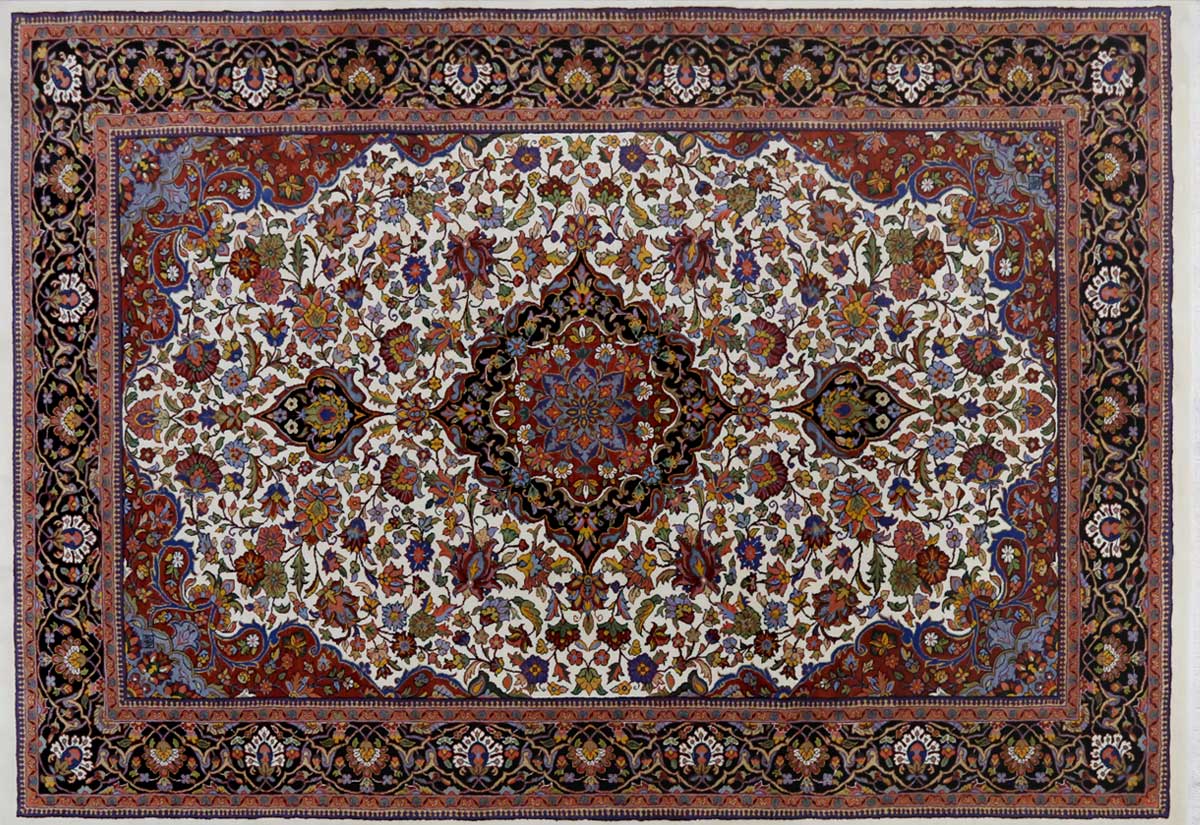
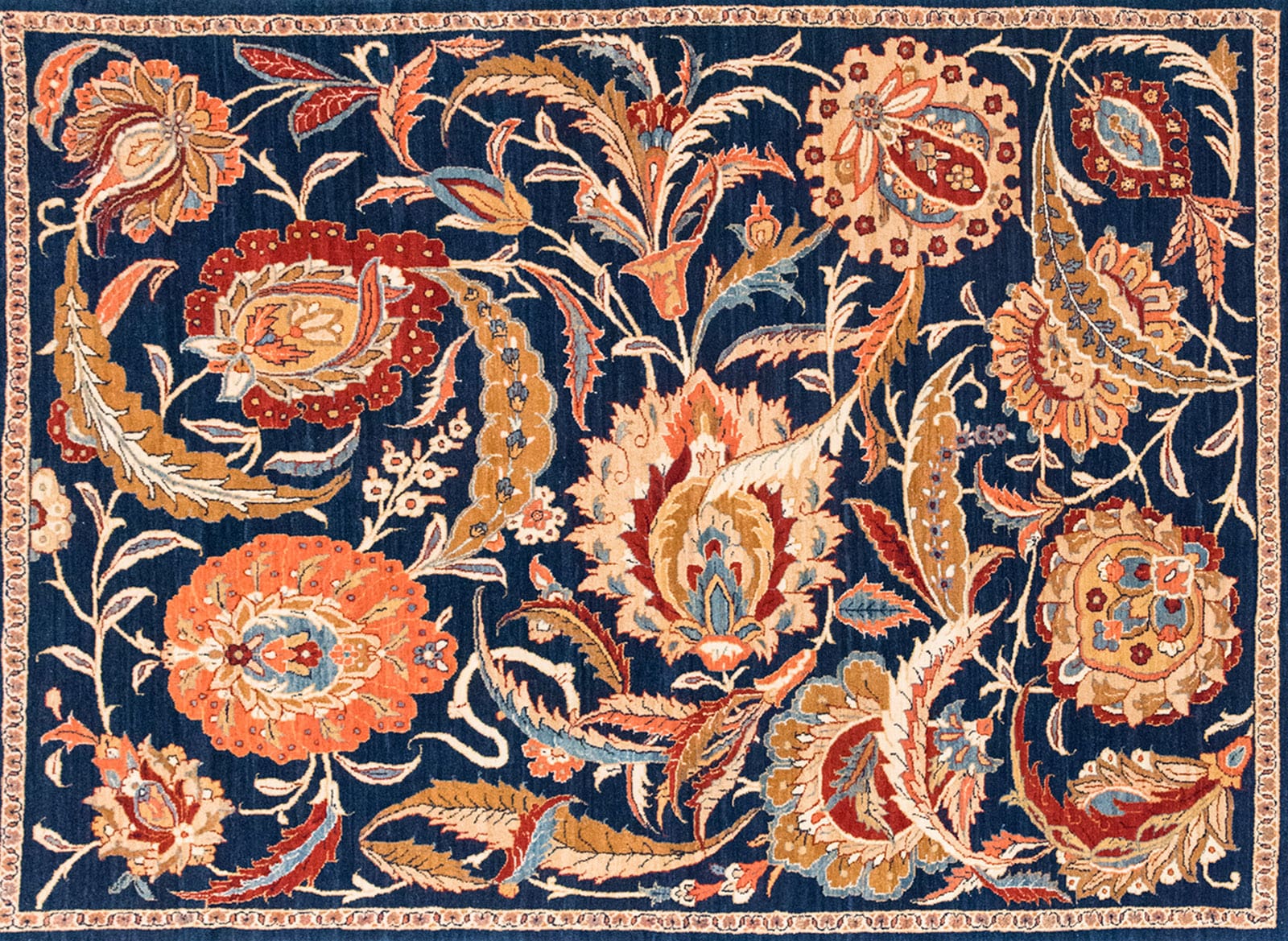
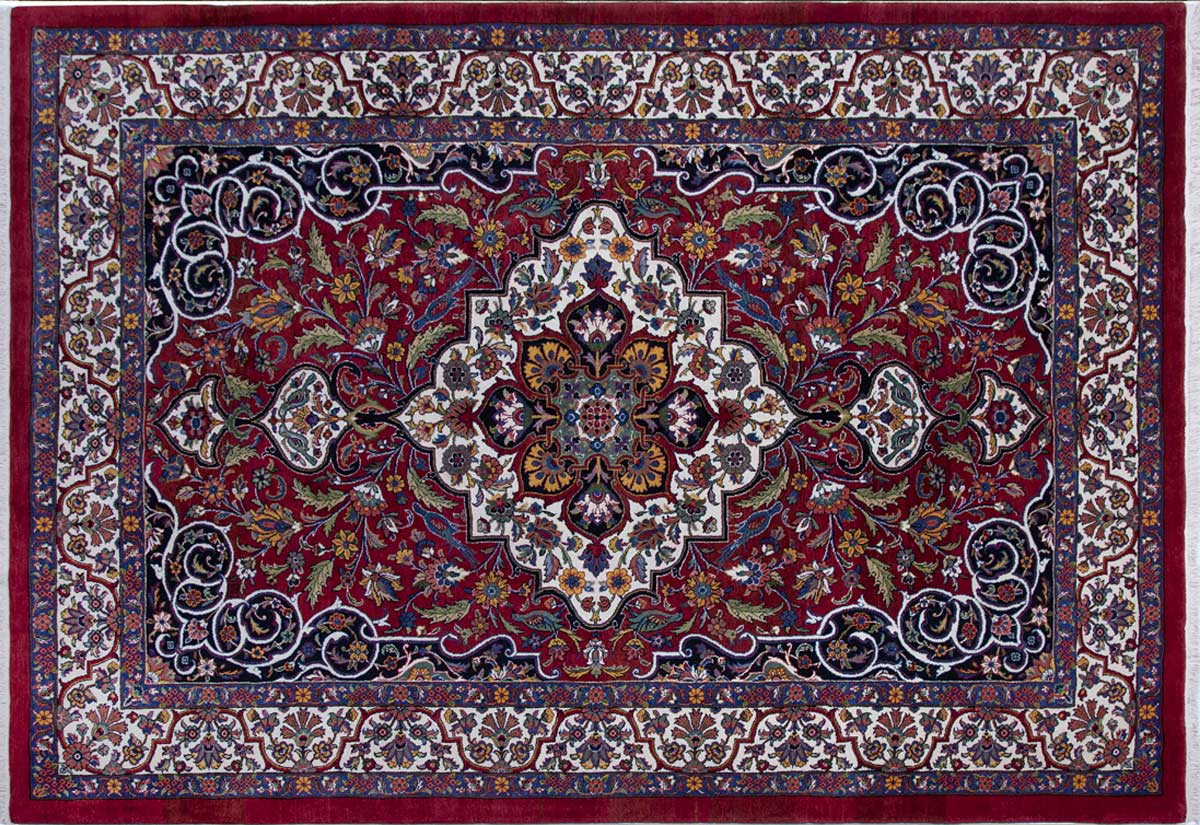
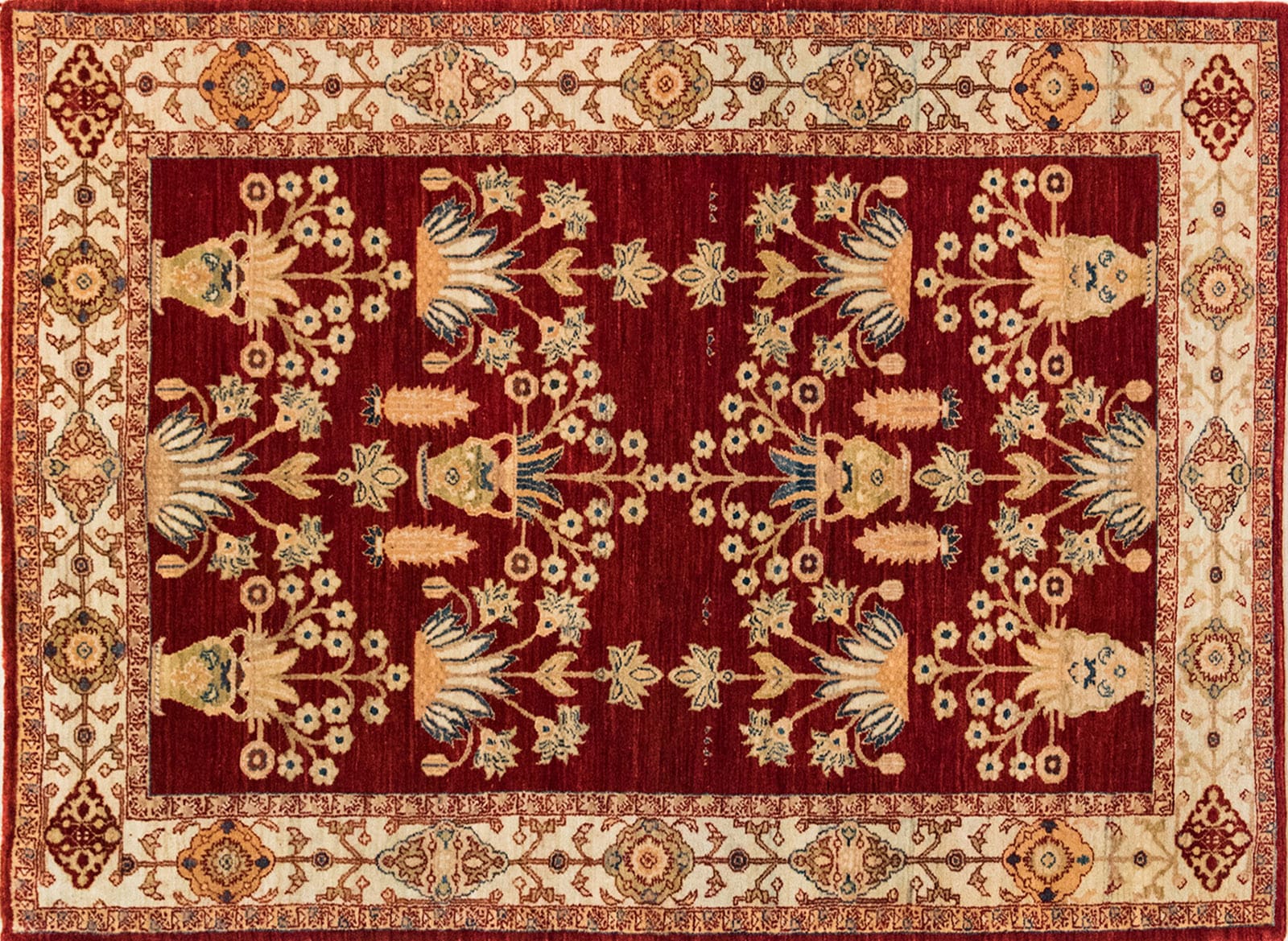
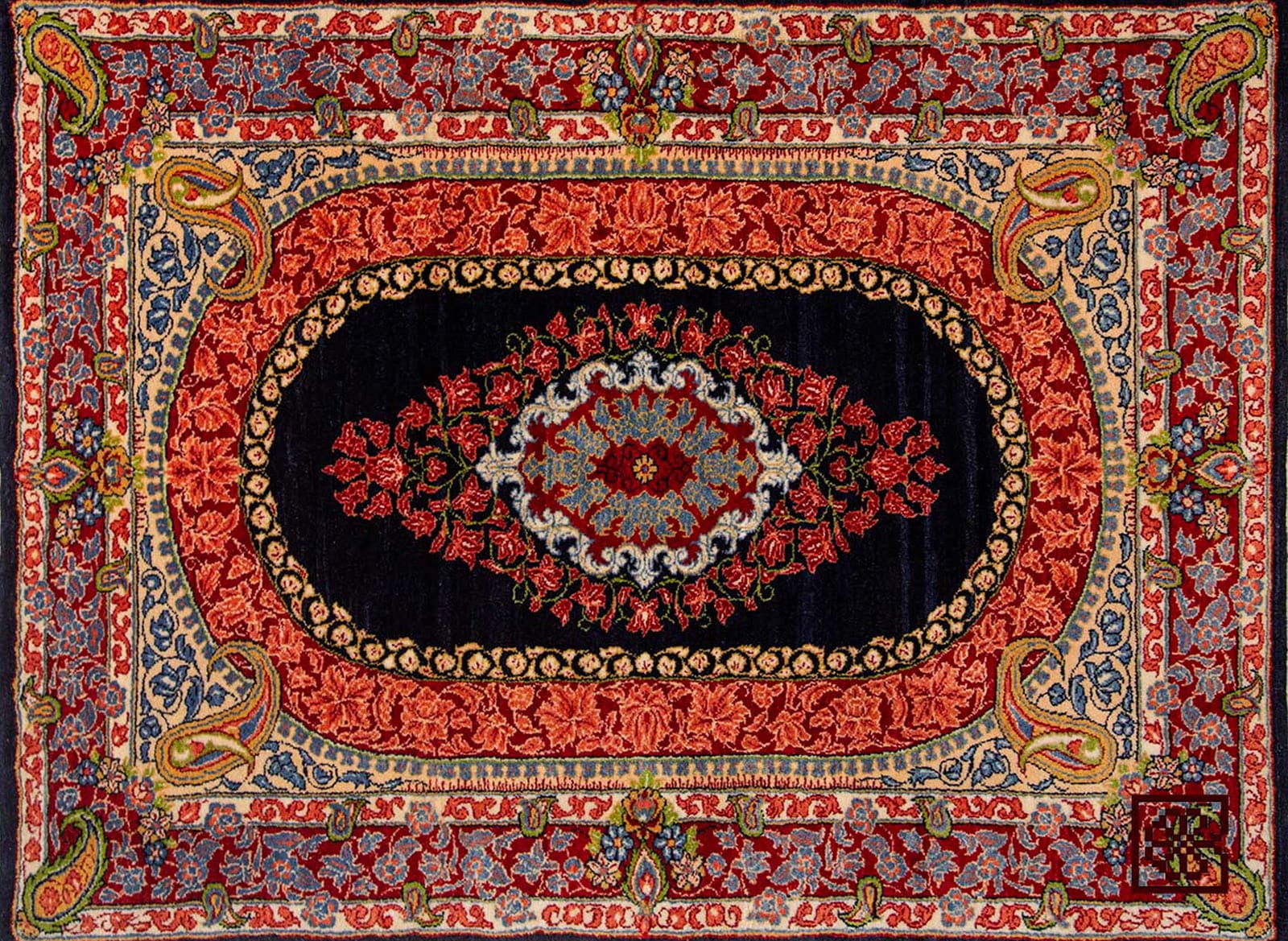
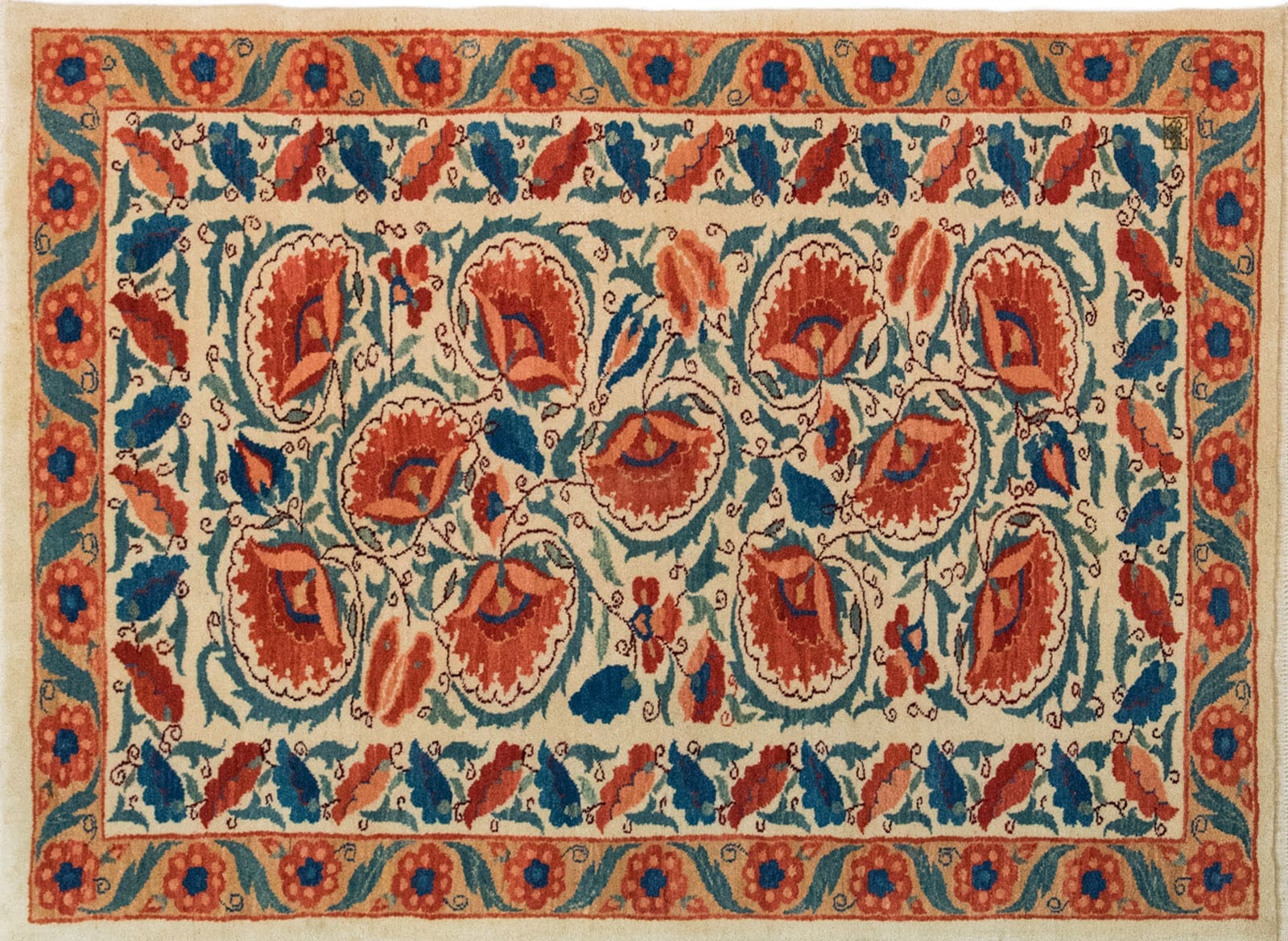
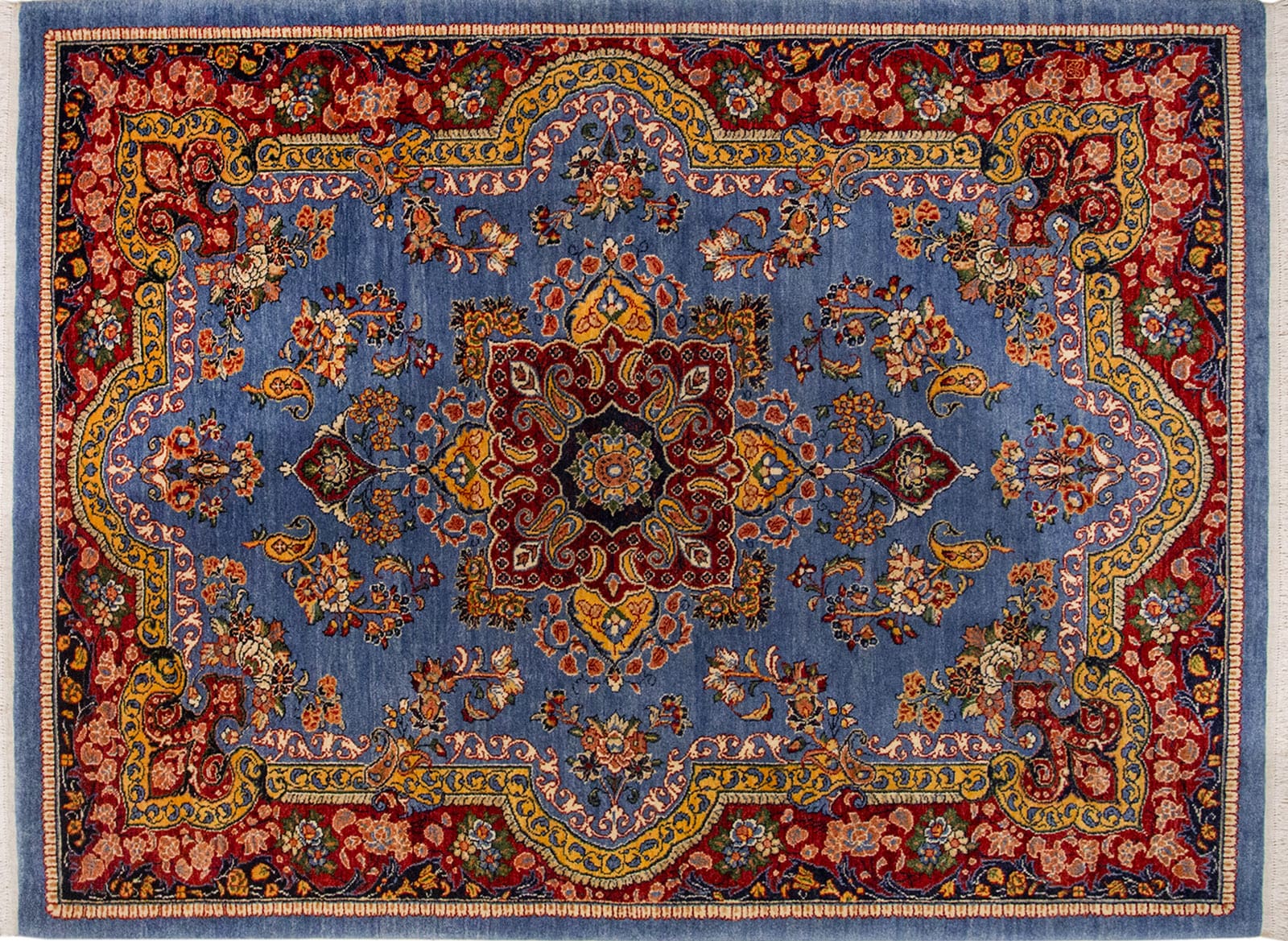
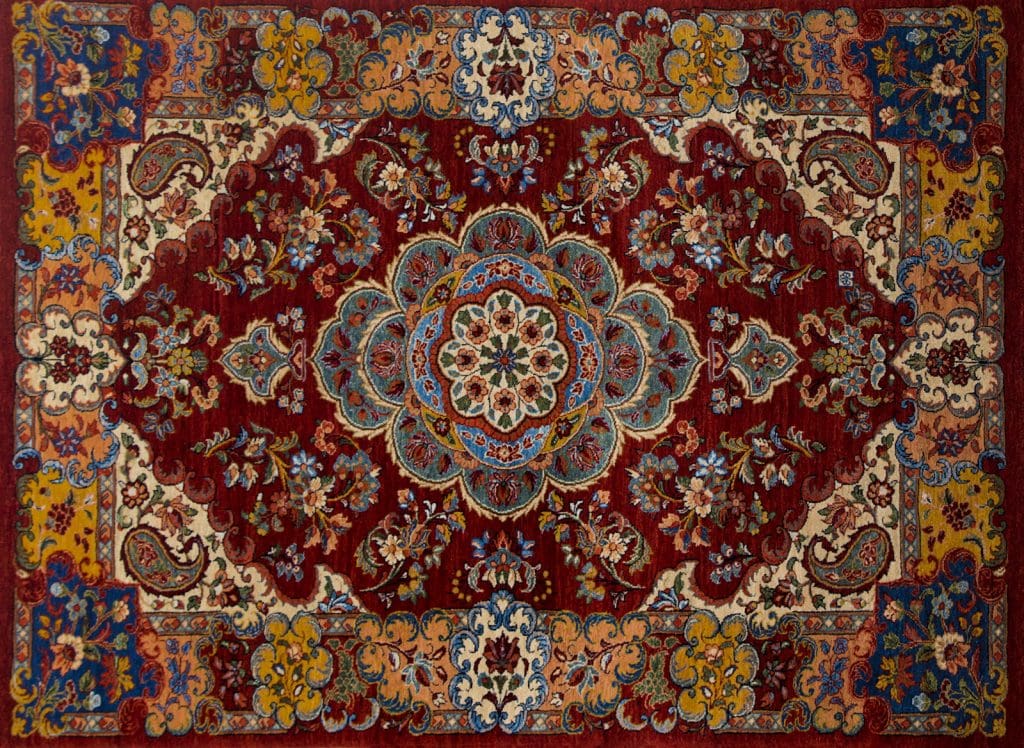
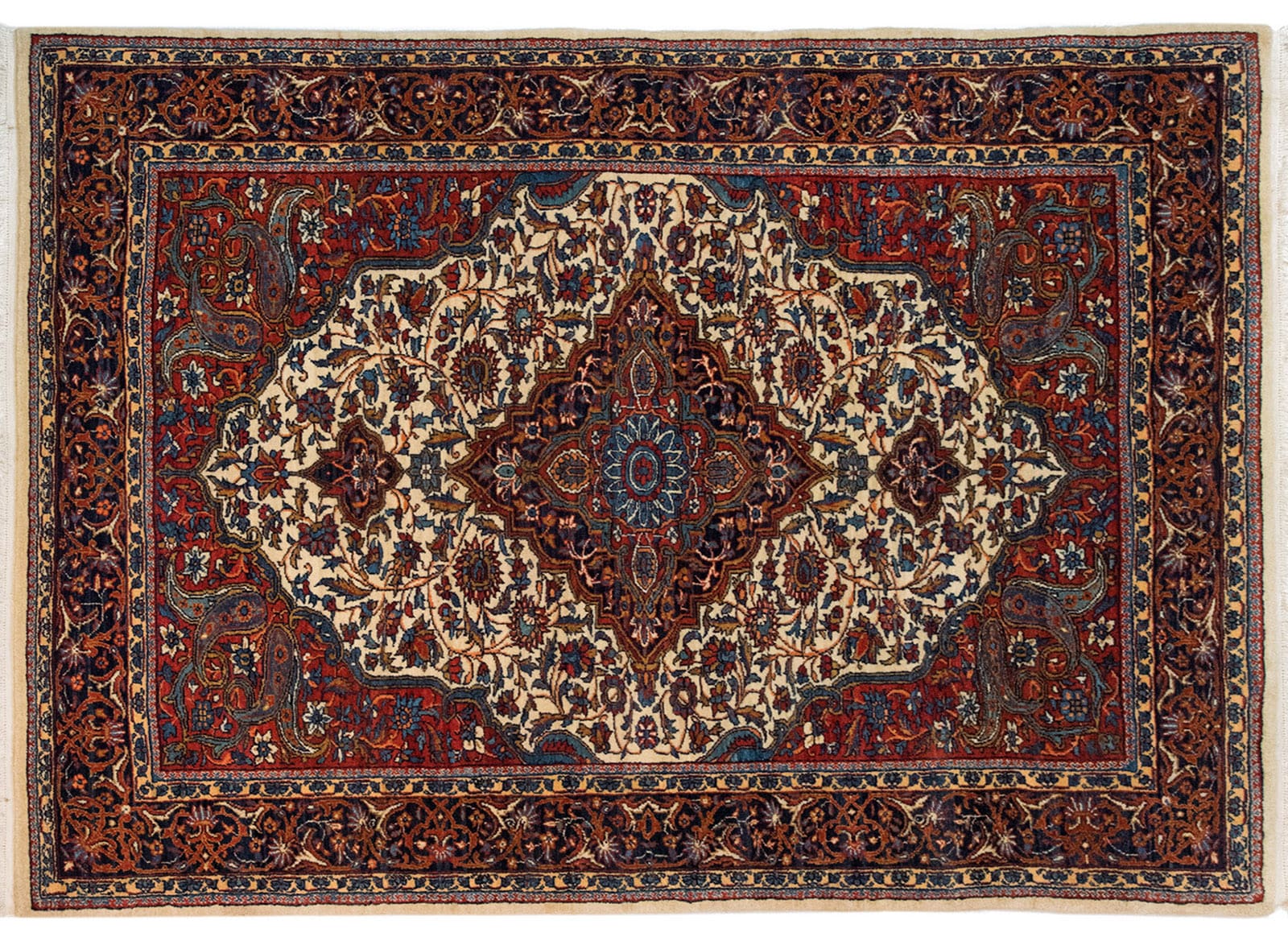
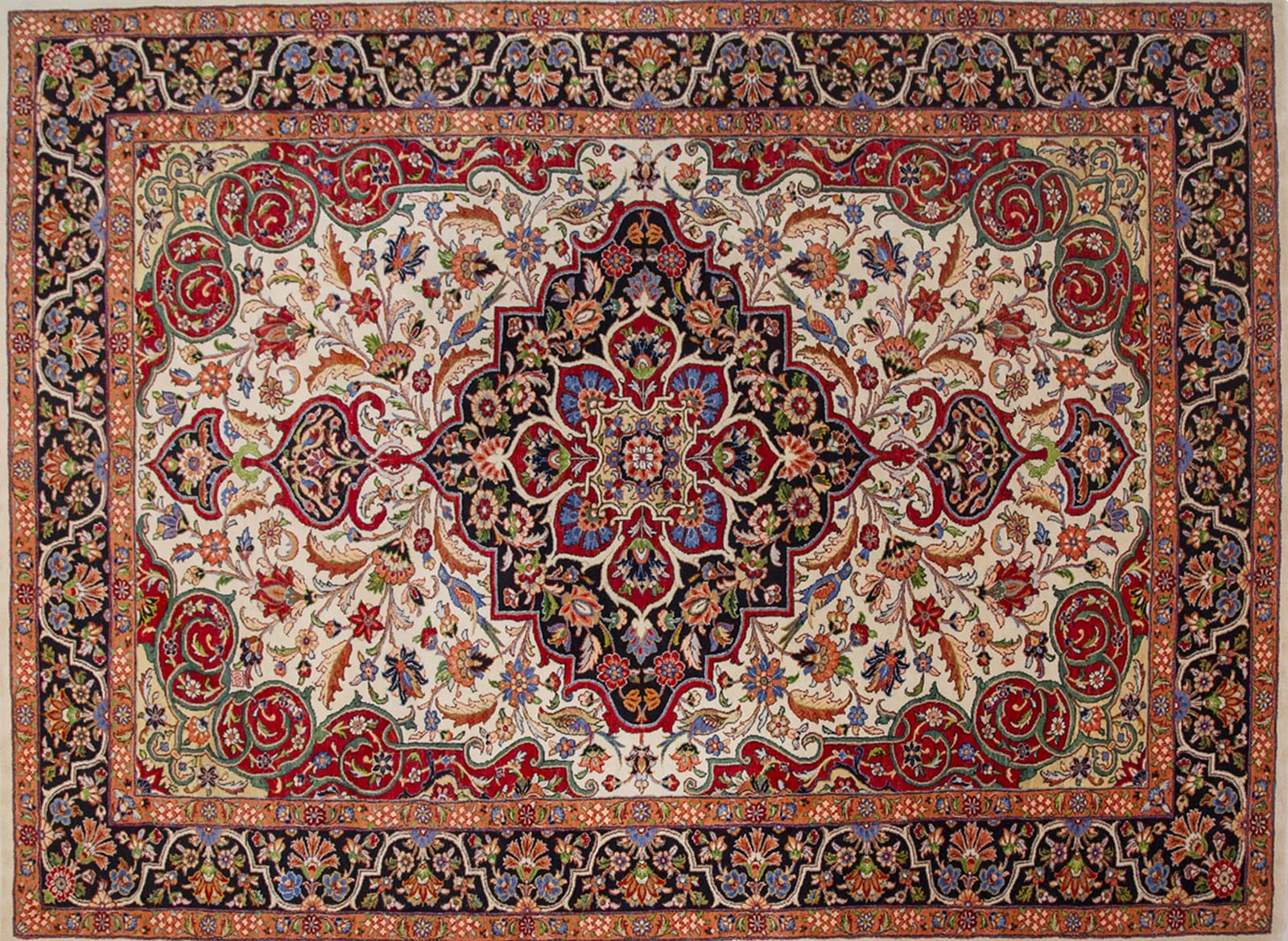
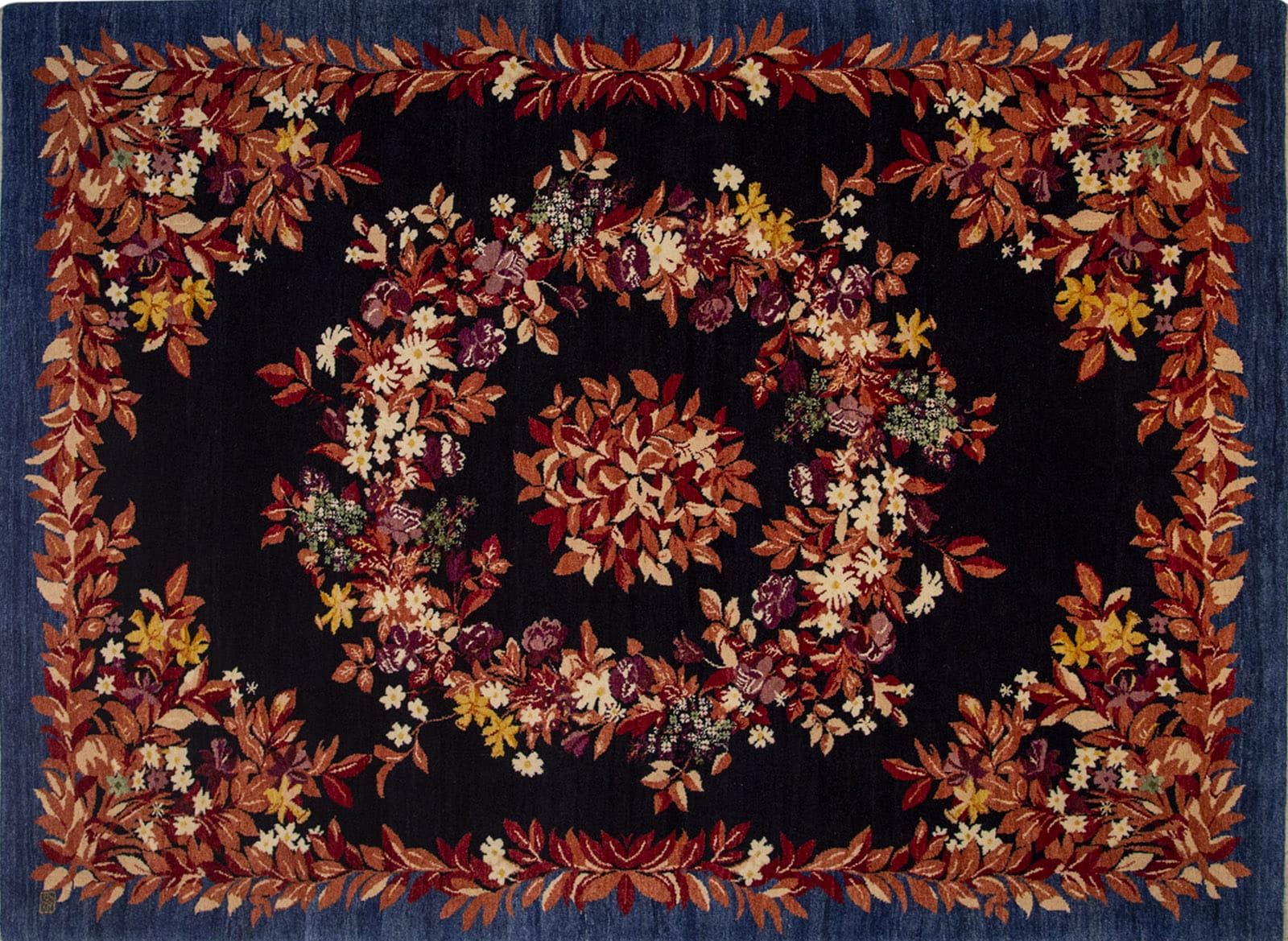
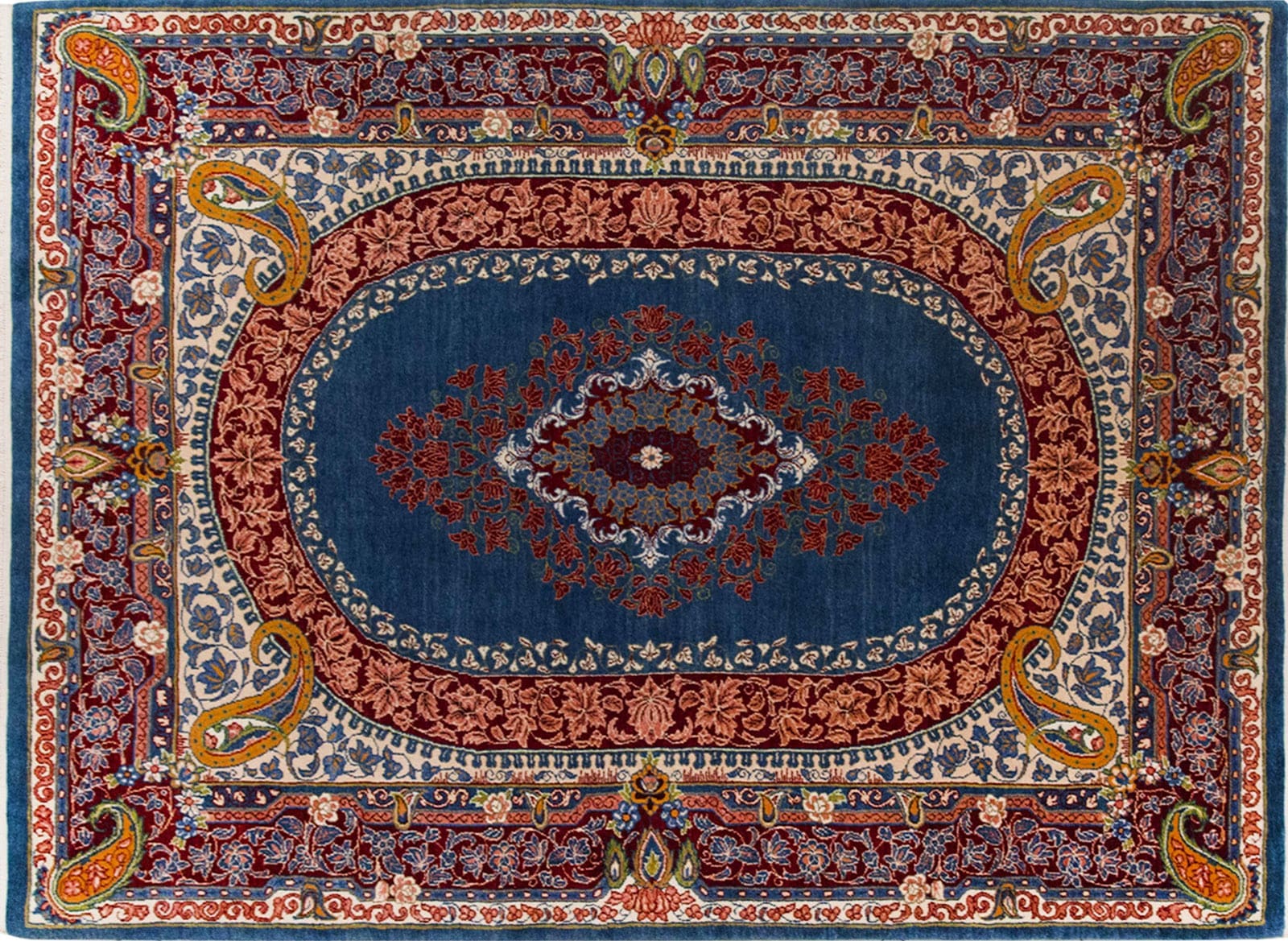
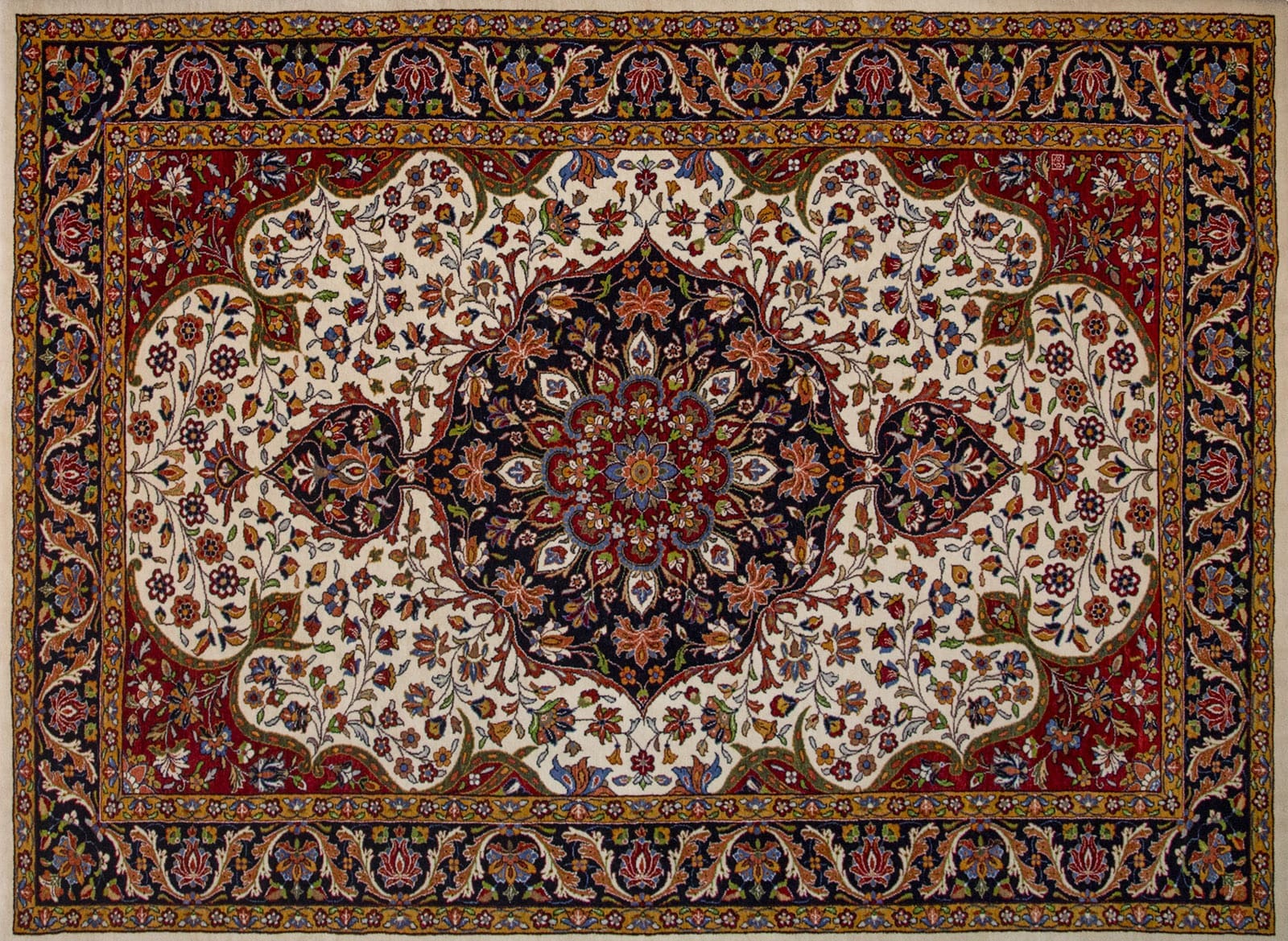
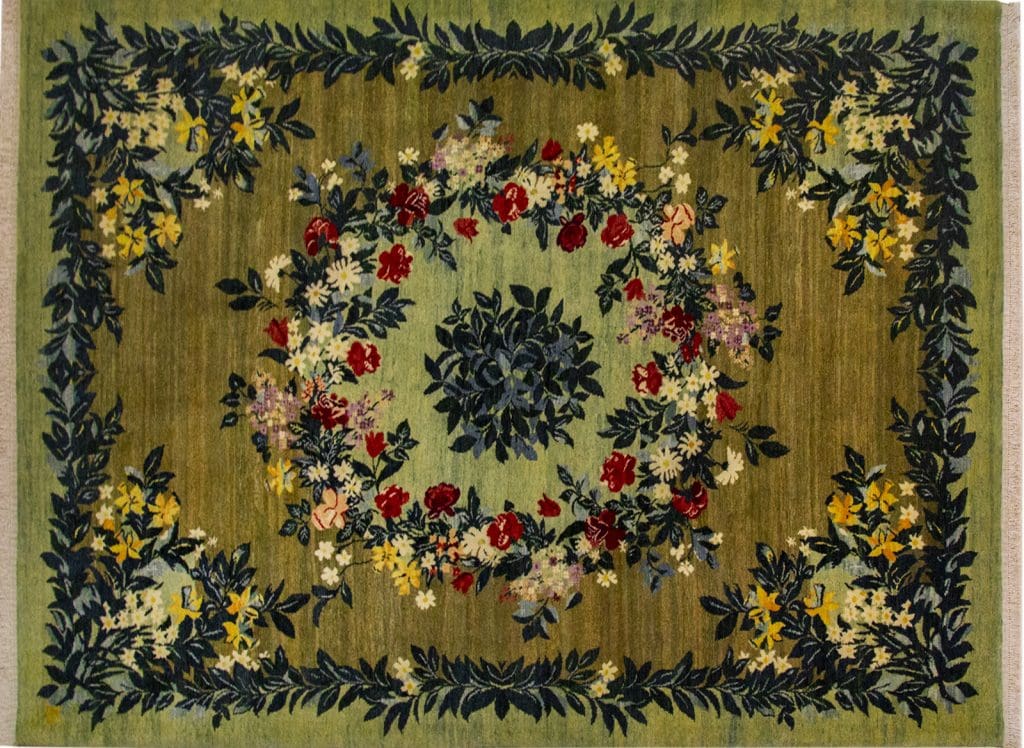
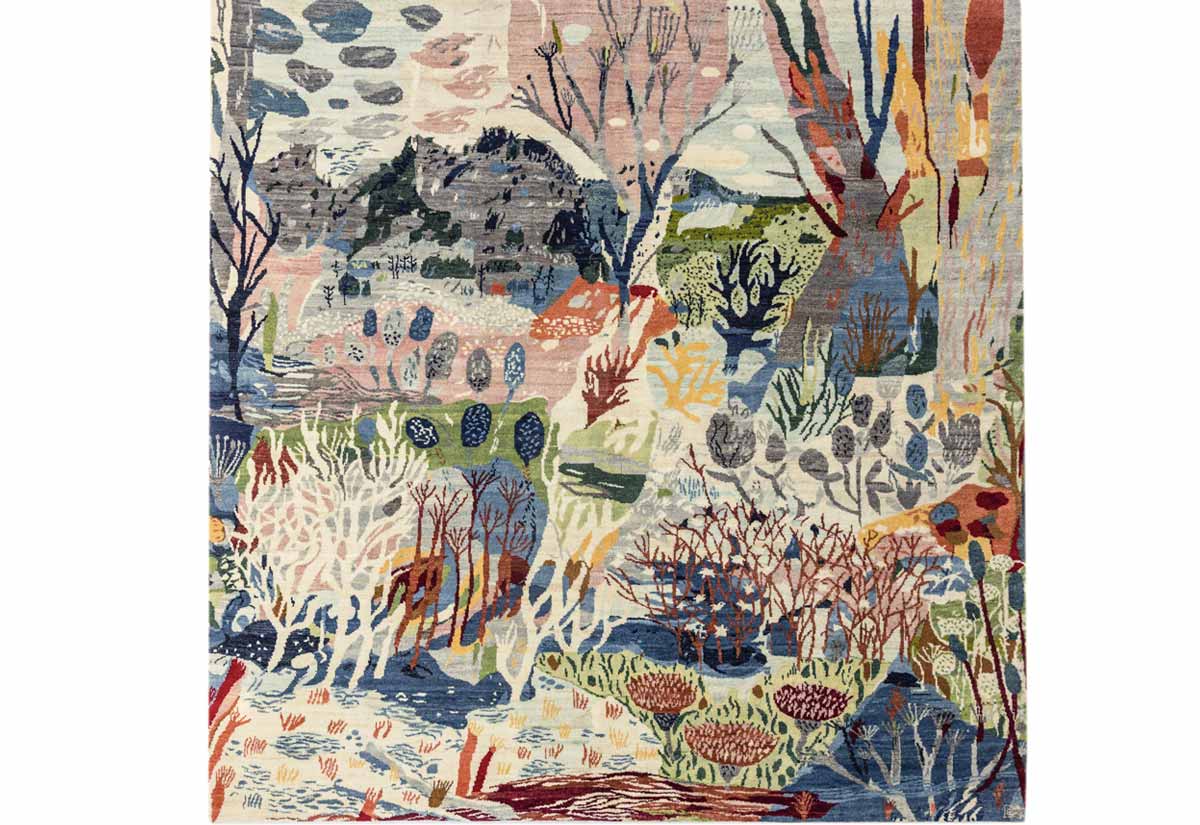
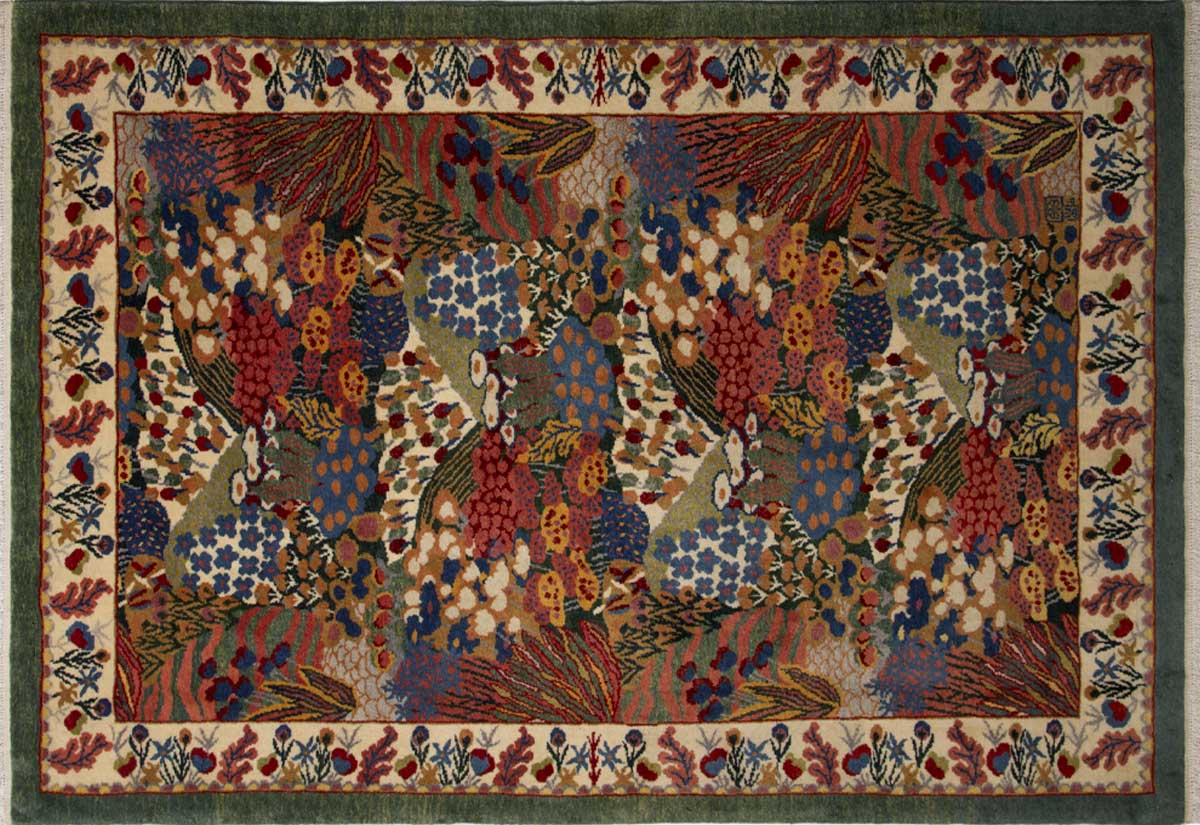
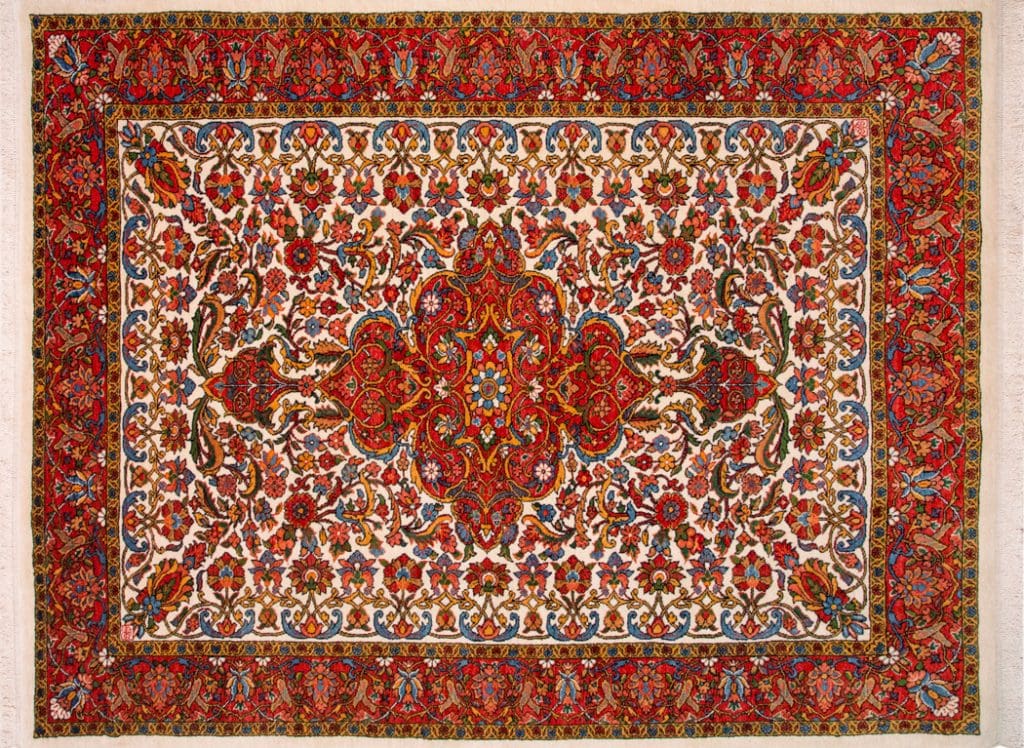
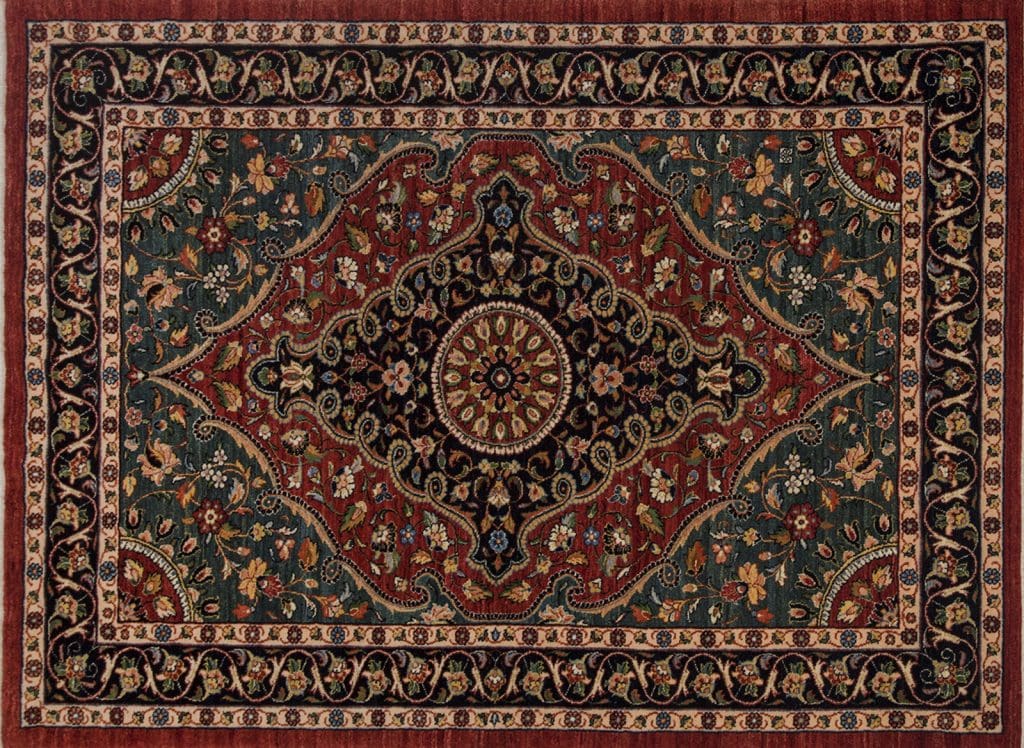
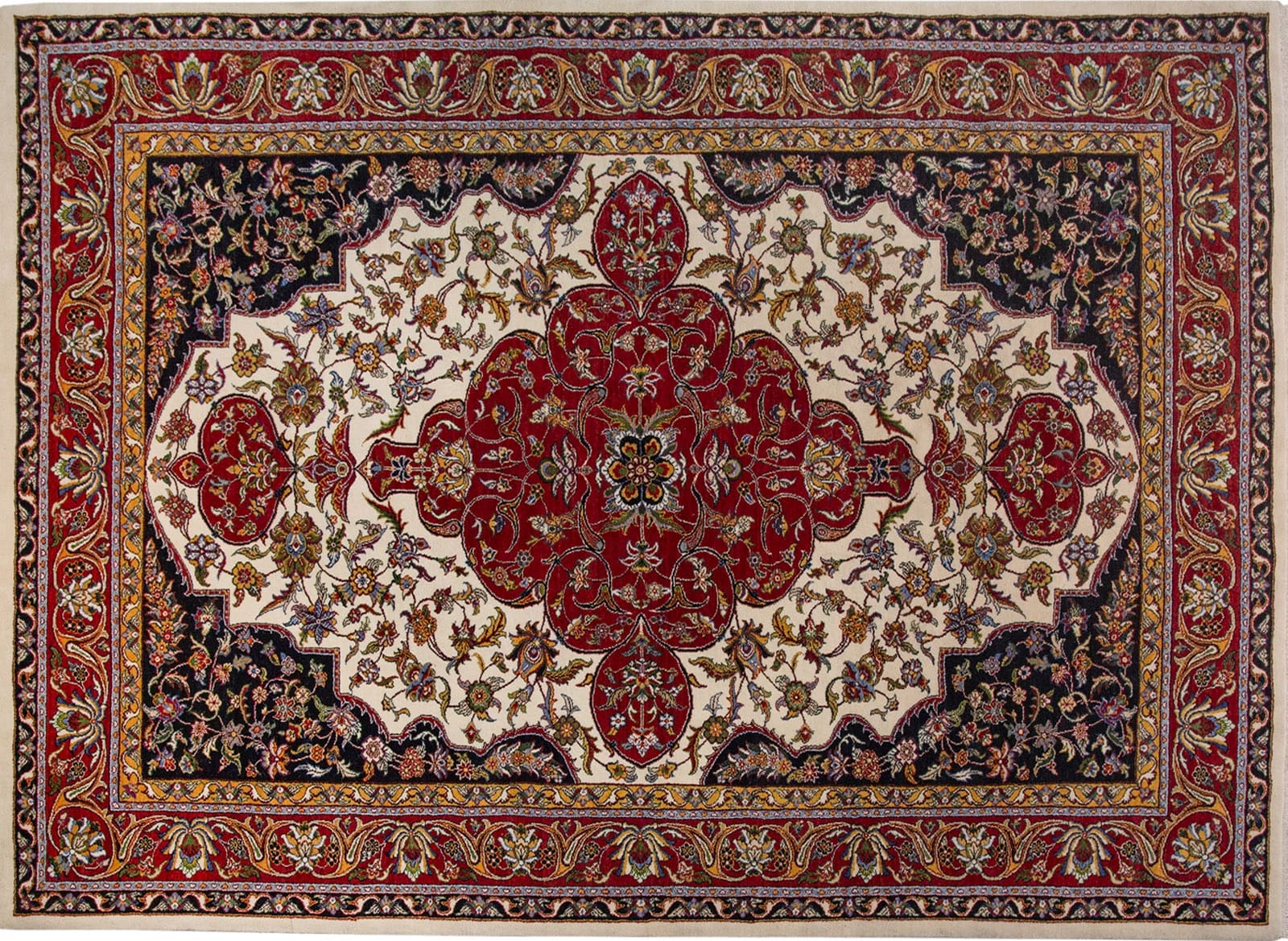
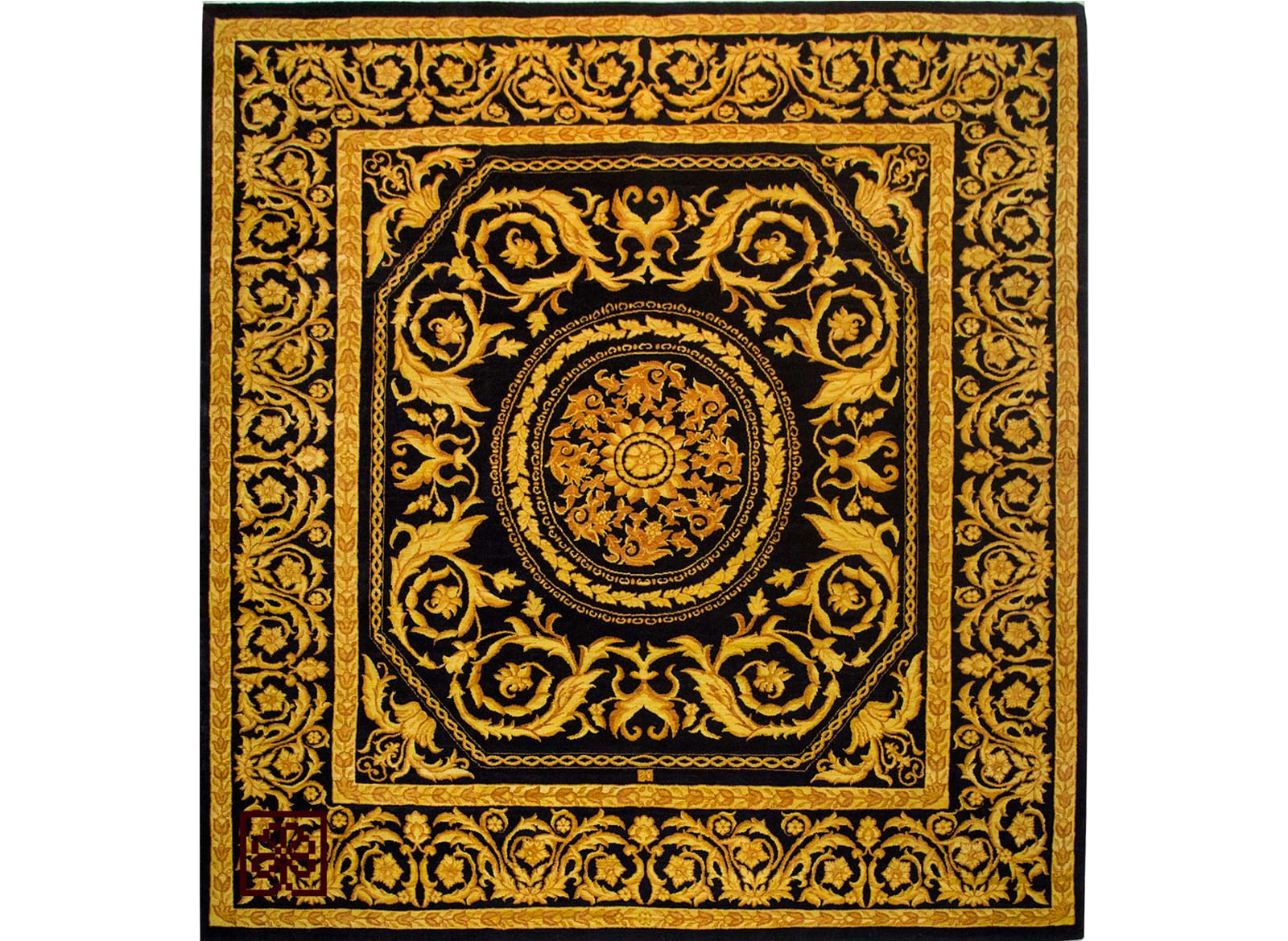
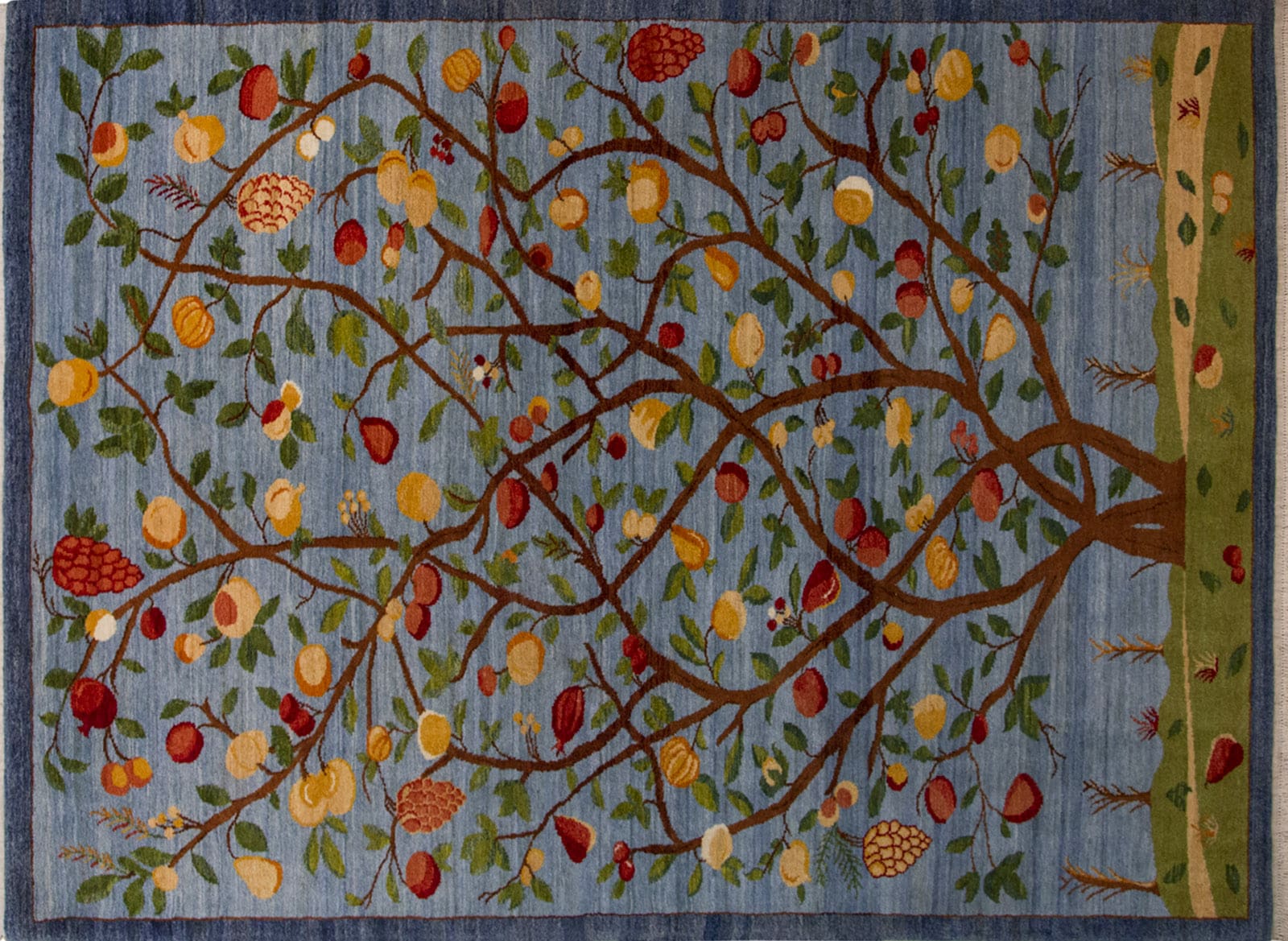
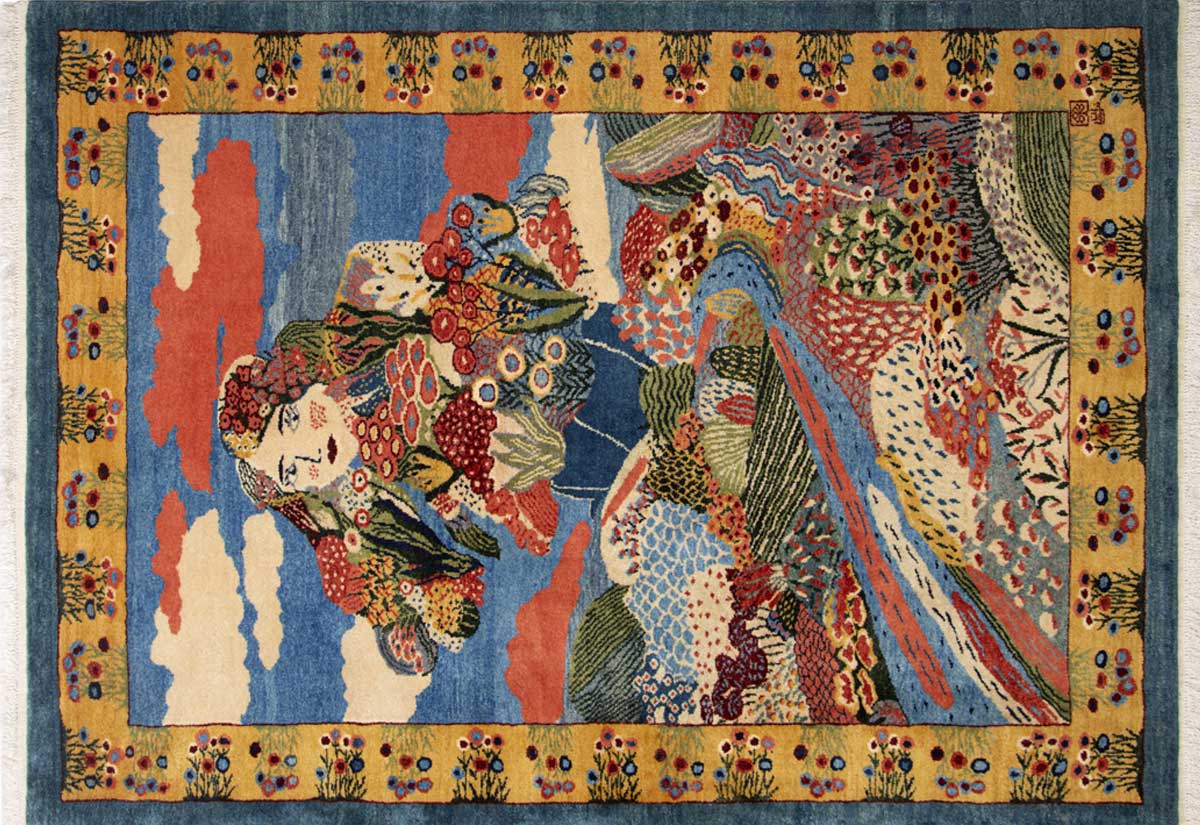
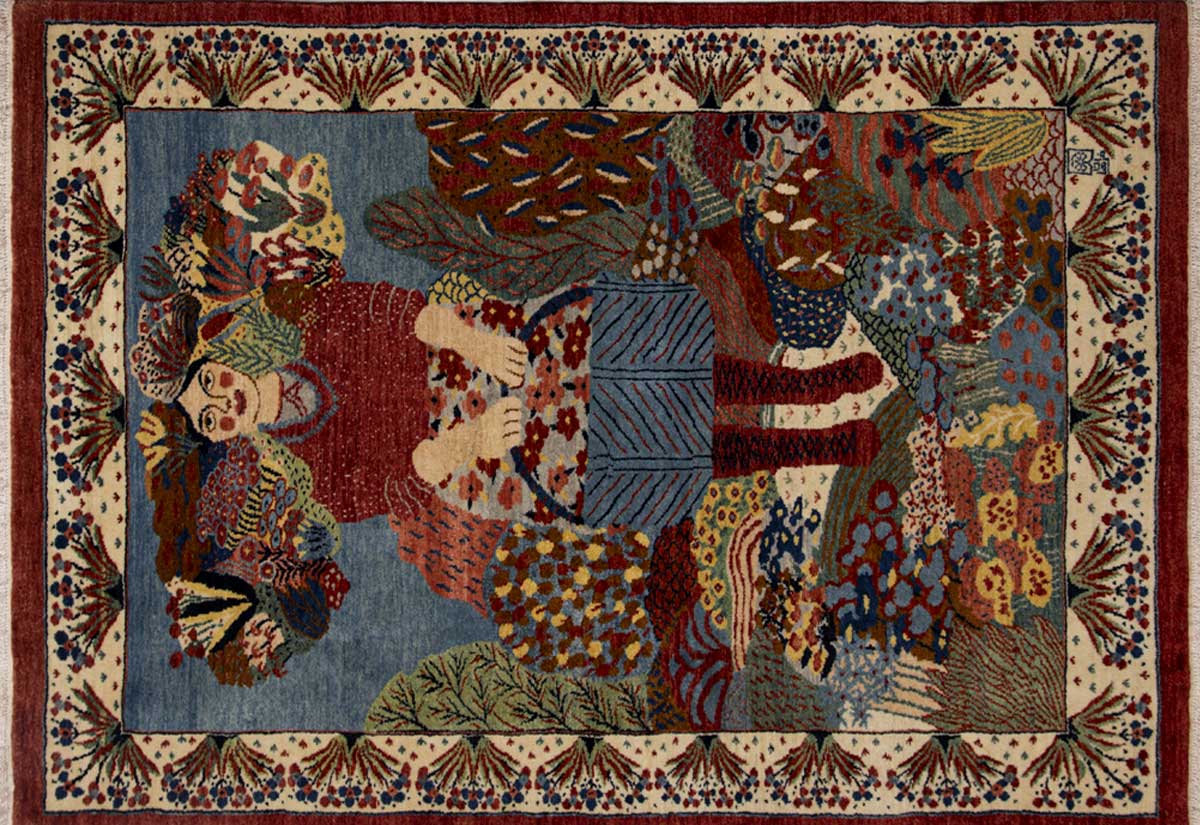
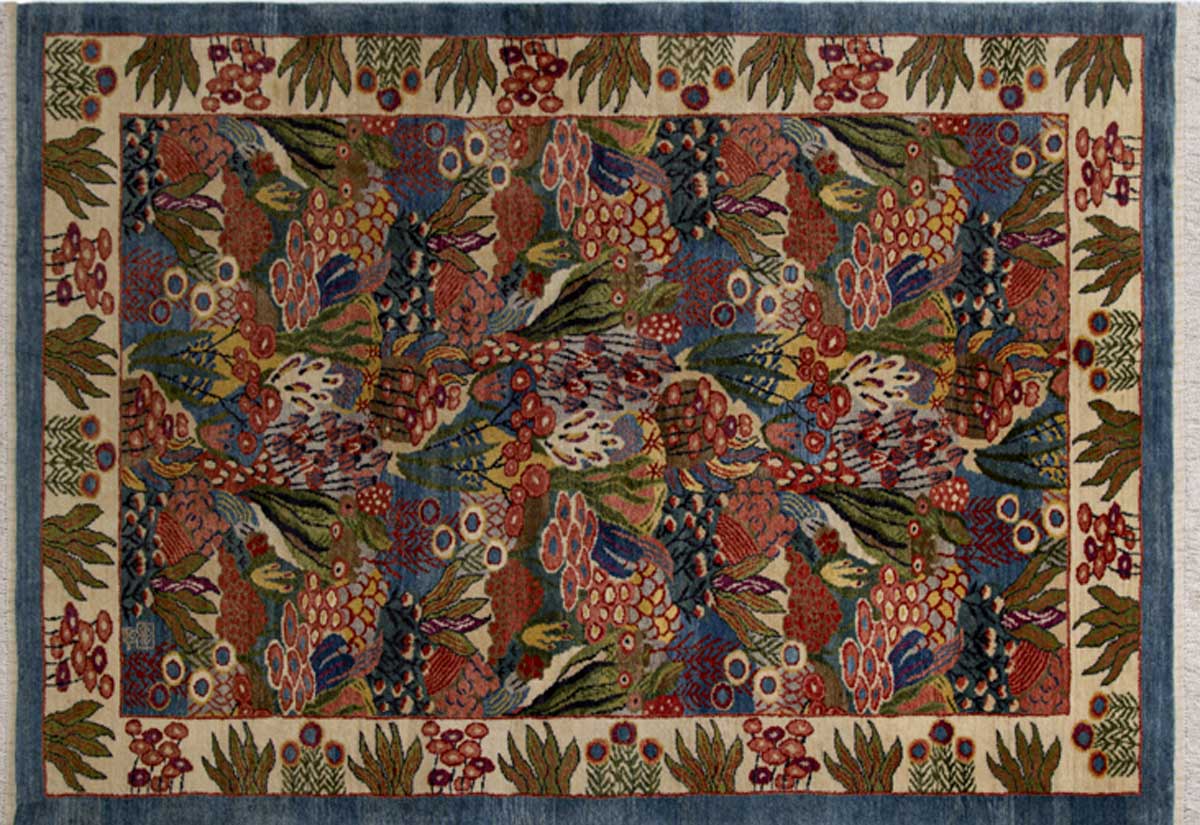
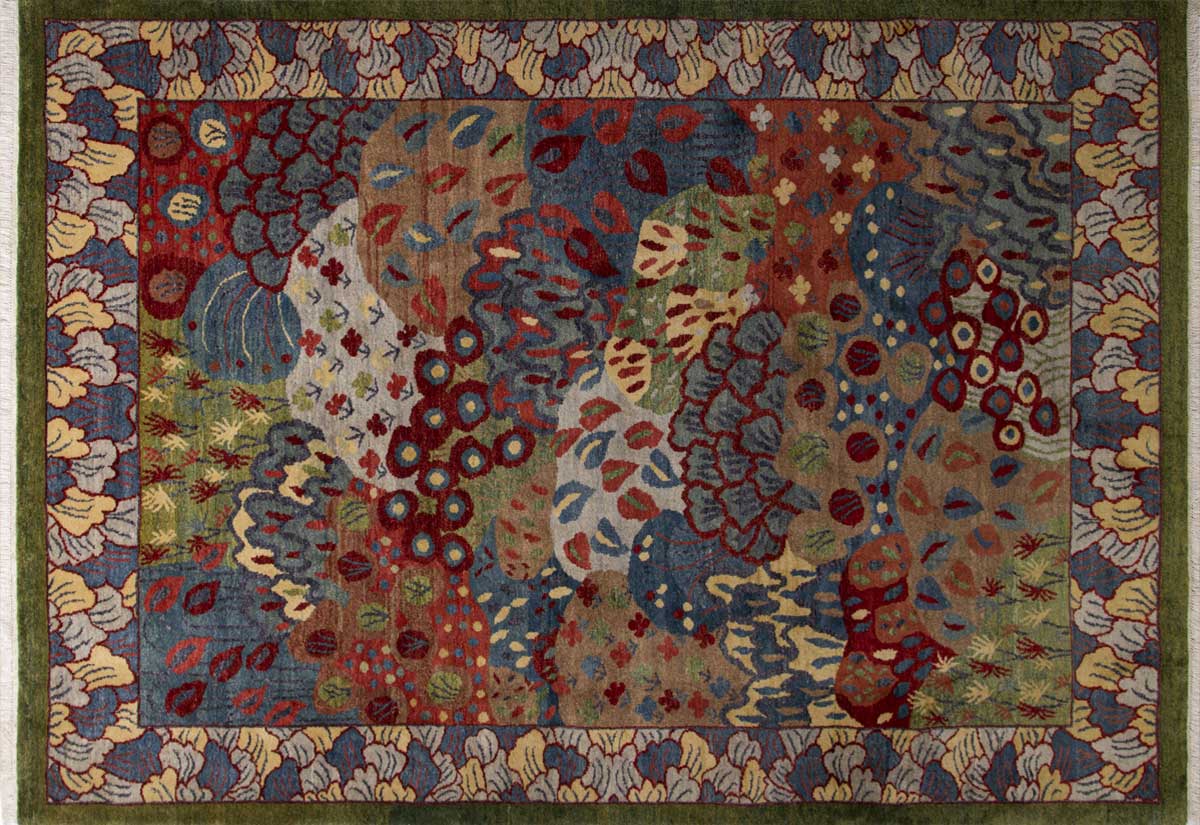
Ziegler–Farahan — pastel tones, understated floral motifs, generous open space; historically the most coveted “living-room rug.” Sarough / Sarouk — intense reds, full floral arrangements, elegant proportions; a favorite among American collectors. Mohajeran — dynamic florals, bold lines, energetic movement. Sultanabad — large-scale patterns and spacious ornamentation with a timeless, modern effect. Farahan Carpet is one of the few workshops that still produces all four historic styles with full authenticity.
Values & Ethics
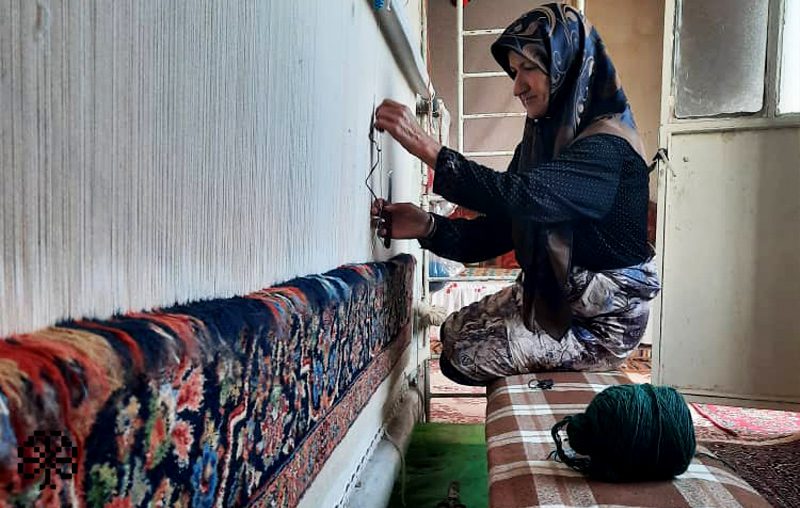
Farahan Carpet stands for fair, socially responsible production in traditional village workshops — with no synthetic dyes, no industrial shortcuts, sustainable wool, transparent supply chains, and a genuine commitment to preserving art and culture.
Mission & Modern Vision
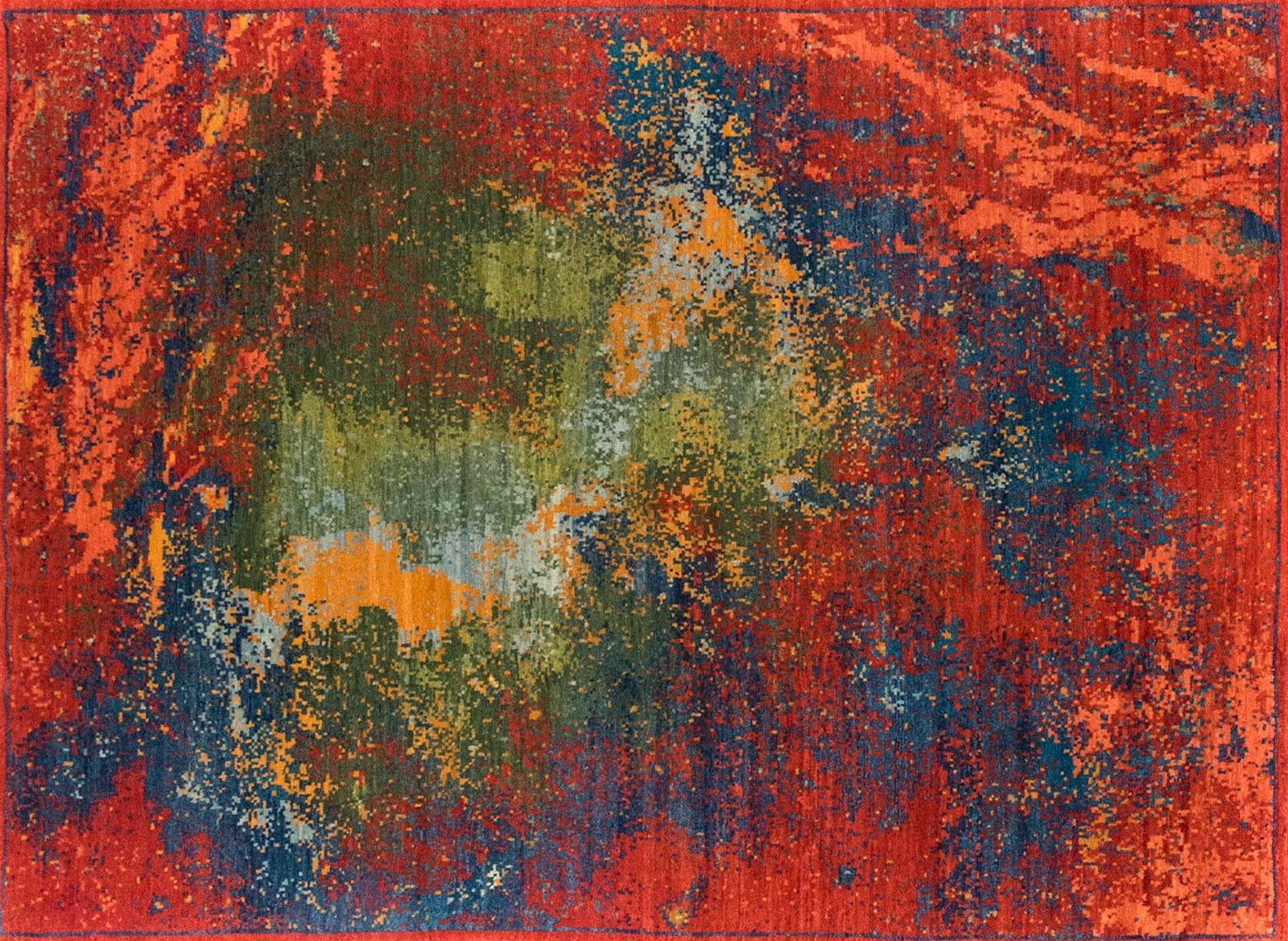
The mission is to preserve Farahan’s cultural heritage, reinterpret traditional wool rugs for contemporary living spaces, offer designers and collectors commissions drawn from historic pattern archives, and keep natural dyeing and hand-spinning techniques alive. Today, Farahan Carpet unites traditional aesthetics, authentic natural materials, and modern quality standards — bringing the great rug culture of Central Persia back into homes around the world.