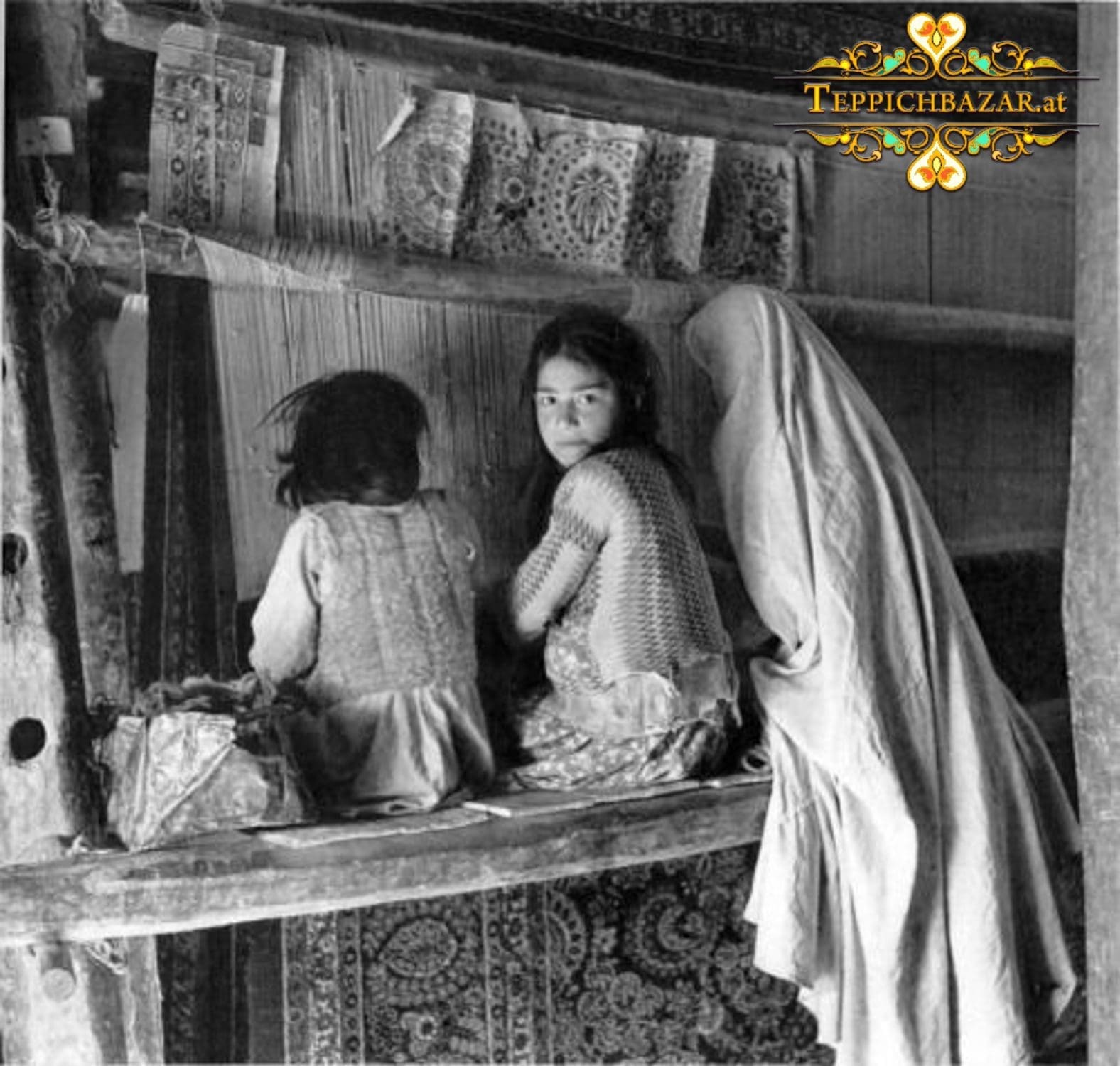
Young weavers in Hamadan, 1922 — photograph by Martin Hürlimann
UNESCO Cultural Heritage
The Art of Persian Rugs
Persian rugs are world-famous for their intricate patterns and exceptional craftsmanship. UNESCO has recognized rug weaving in Iran as part of humanity’s intangible cultural heritage.
This tradition has been passed down for centuries and reflects history, art, and regional identity. UNESCO recognition helps protect and promote this craft and the weavers who practice it.
- UNESCO: Traditional skills of carpet weaving in Fars — Intangible Cultural Heritage
- UNESCO: Traditional skills of carpet weaving in Kashan — Intangible Cultural Heritage
- UNESCO Silk Road Programme: Applied Arts, Textiles, and Carpets
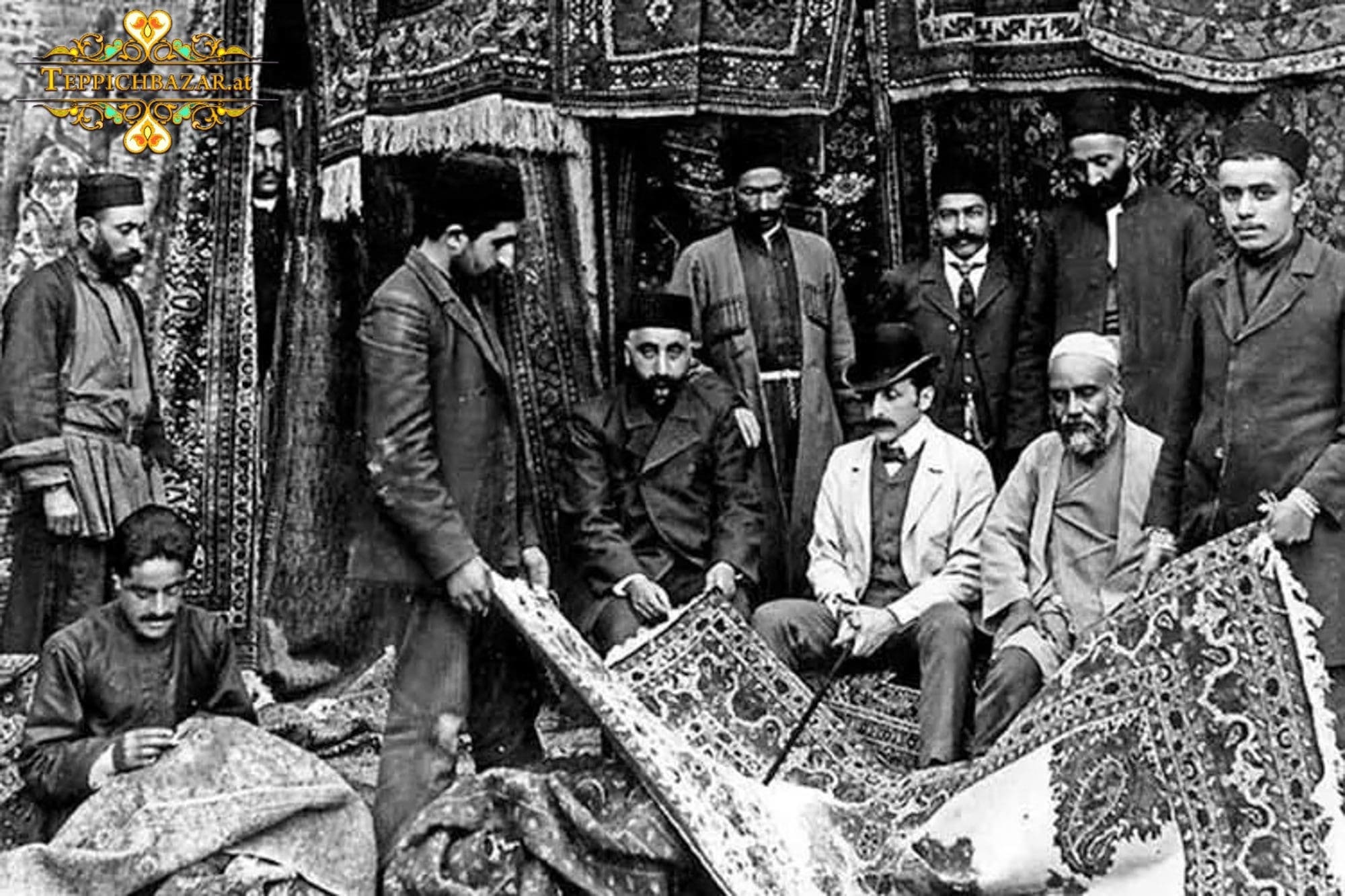 German employee of the Ziegler firm, Franz Theodor Strauss, in Persia
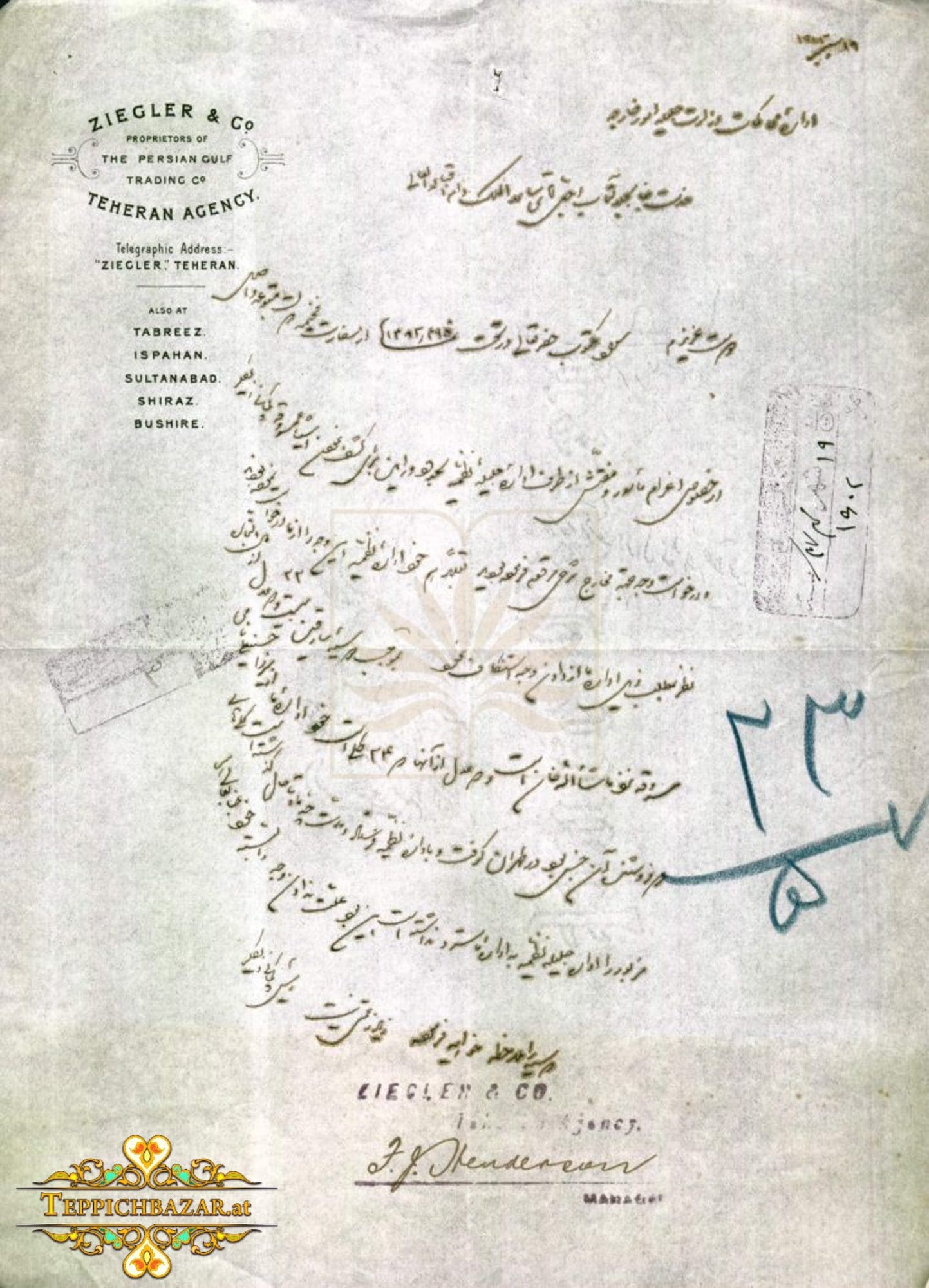 Ziegler & Co. reference from Sultanabad (Markazi, Arak, Farahan, Sarough)
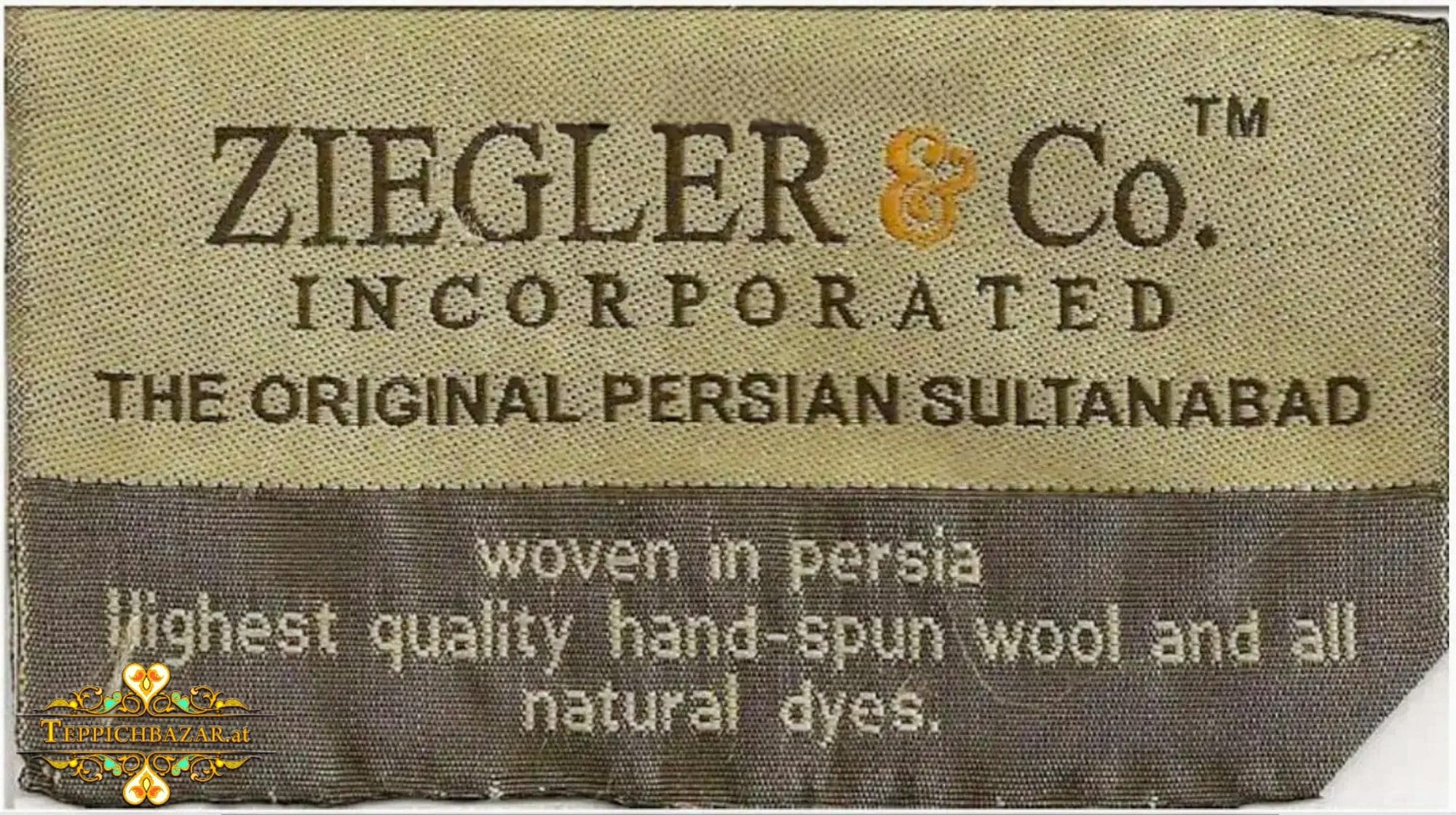 Ziegler & Co. company sticker for the province of Central Persia (Markazi), capital Sultanabad (Arak)
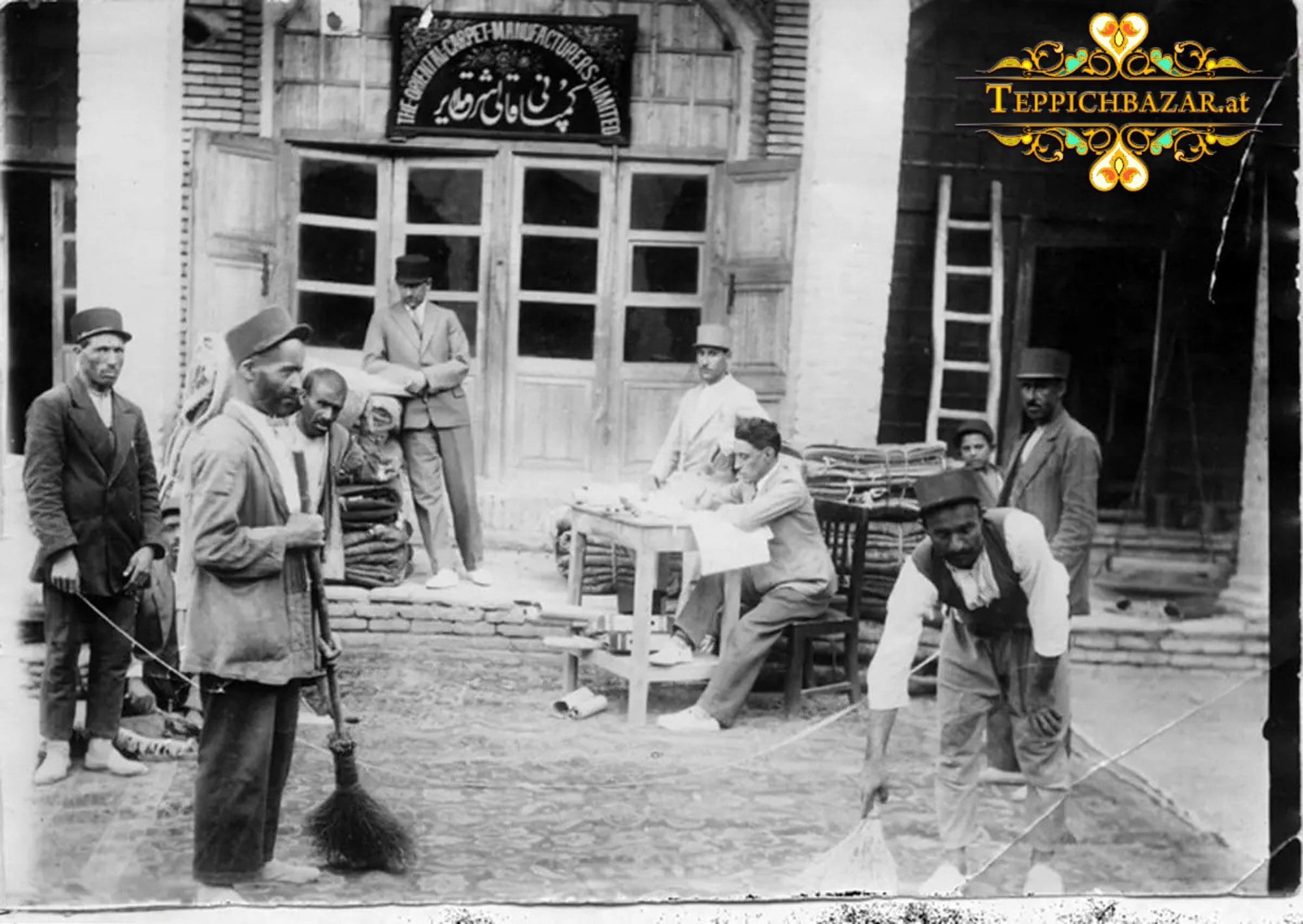 Malayer, Hamadan Province, Ziegler & Co.
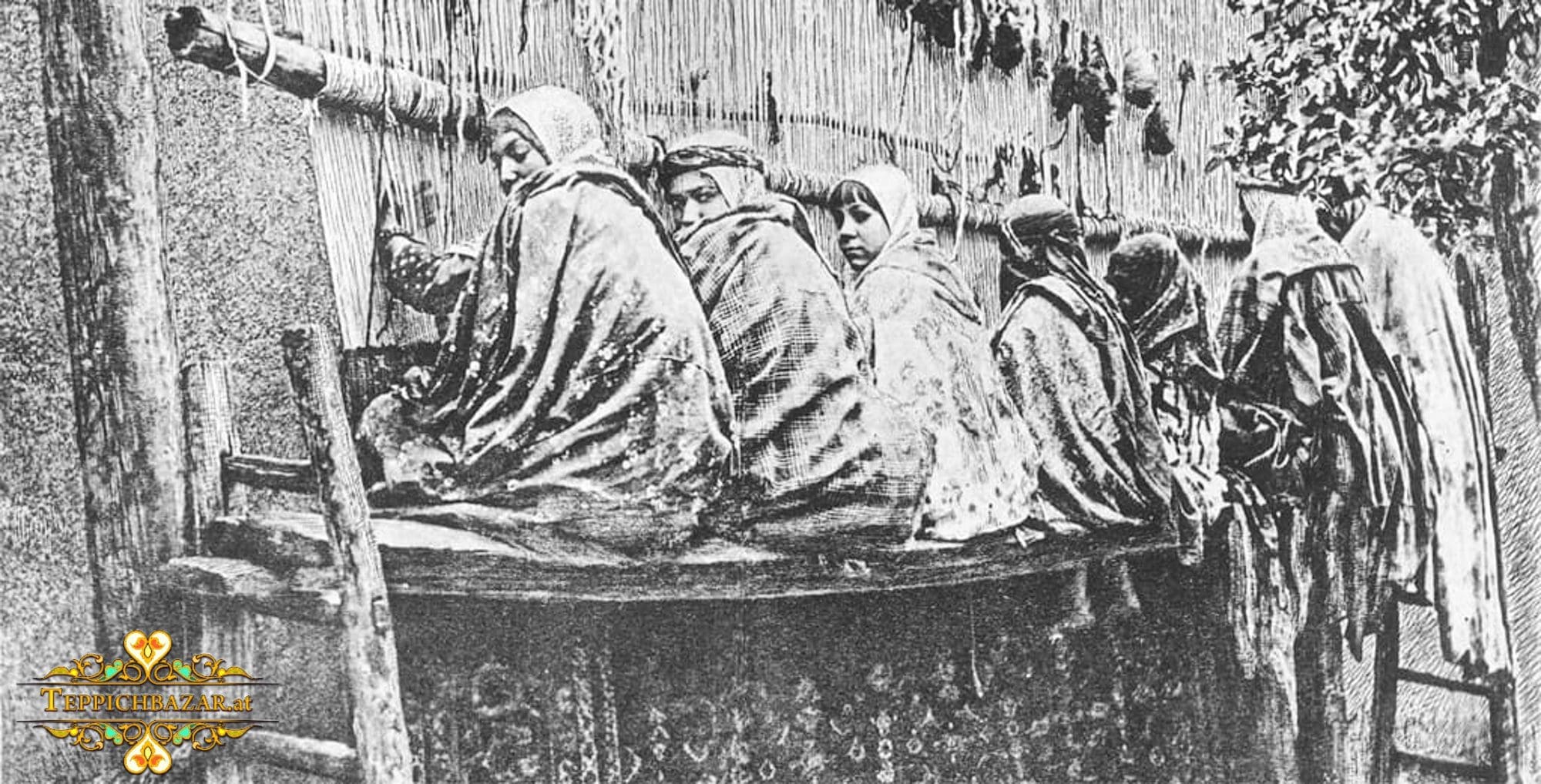 Women weaving in the Markazi region in the 19th century
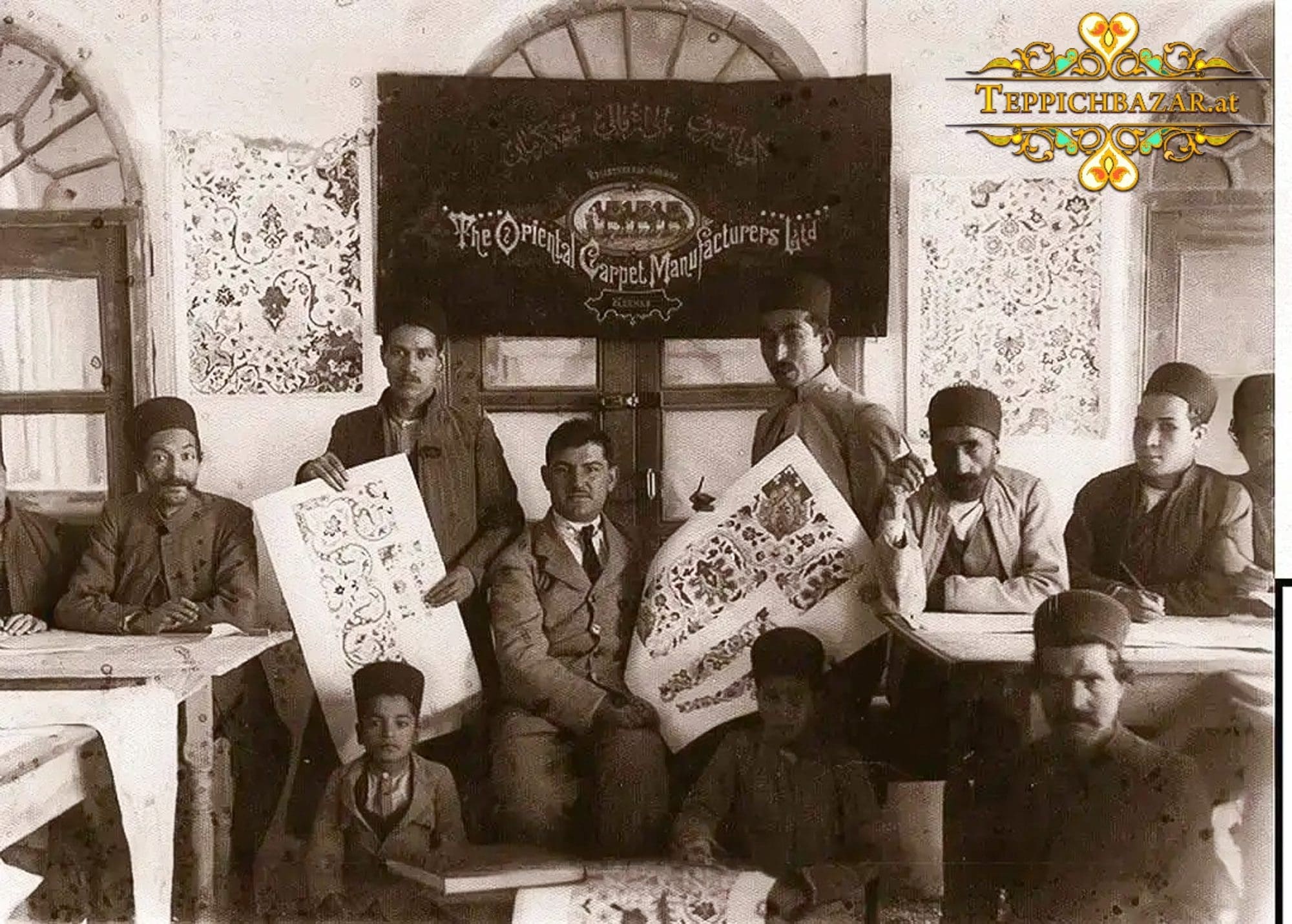 The Kerman provincial office for Oriental rugs
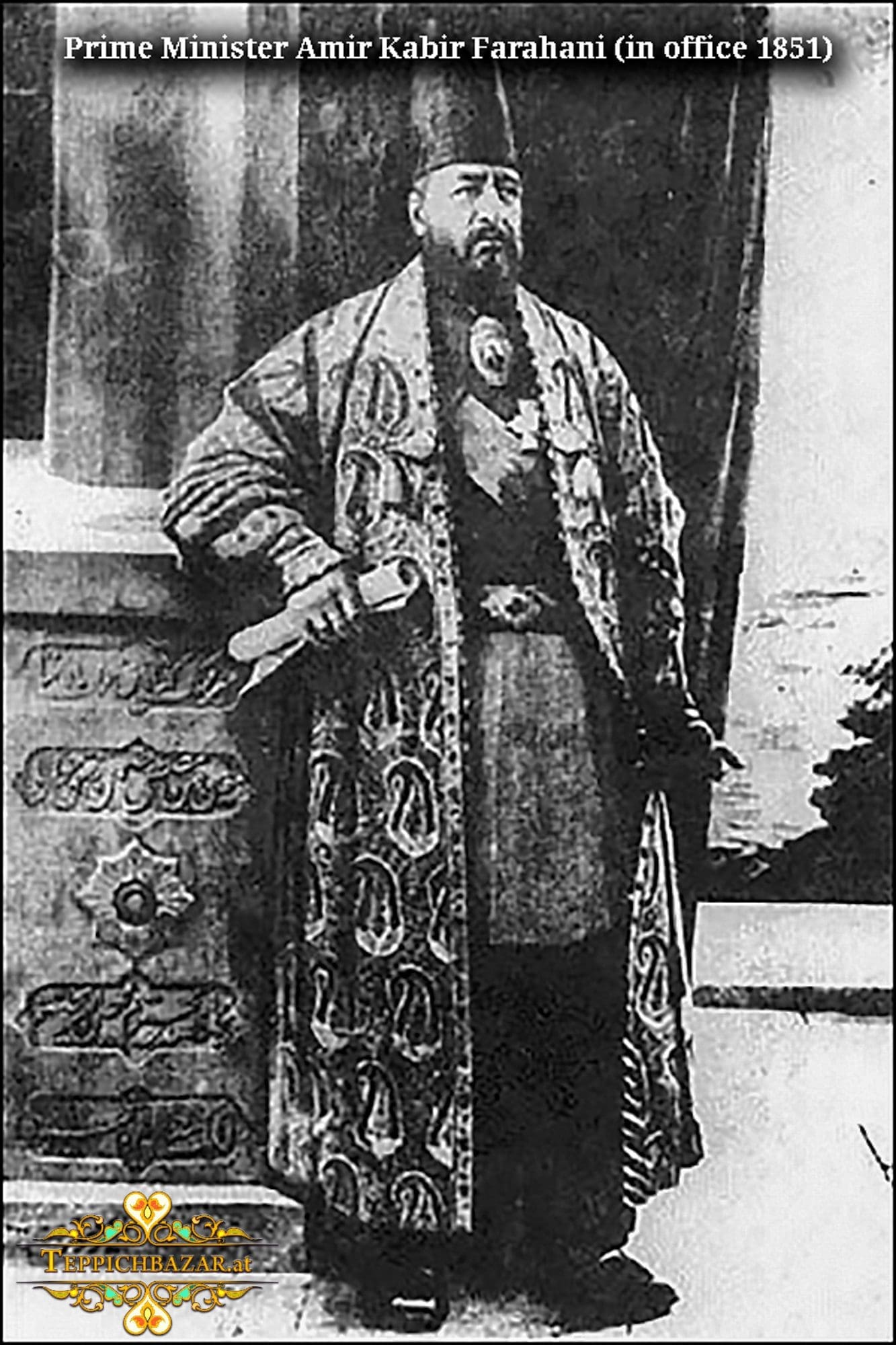 Amir Kabir, Prime Minister from Farahan, 19th-century Qajar dynasty
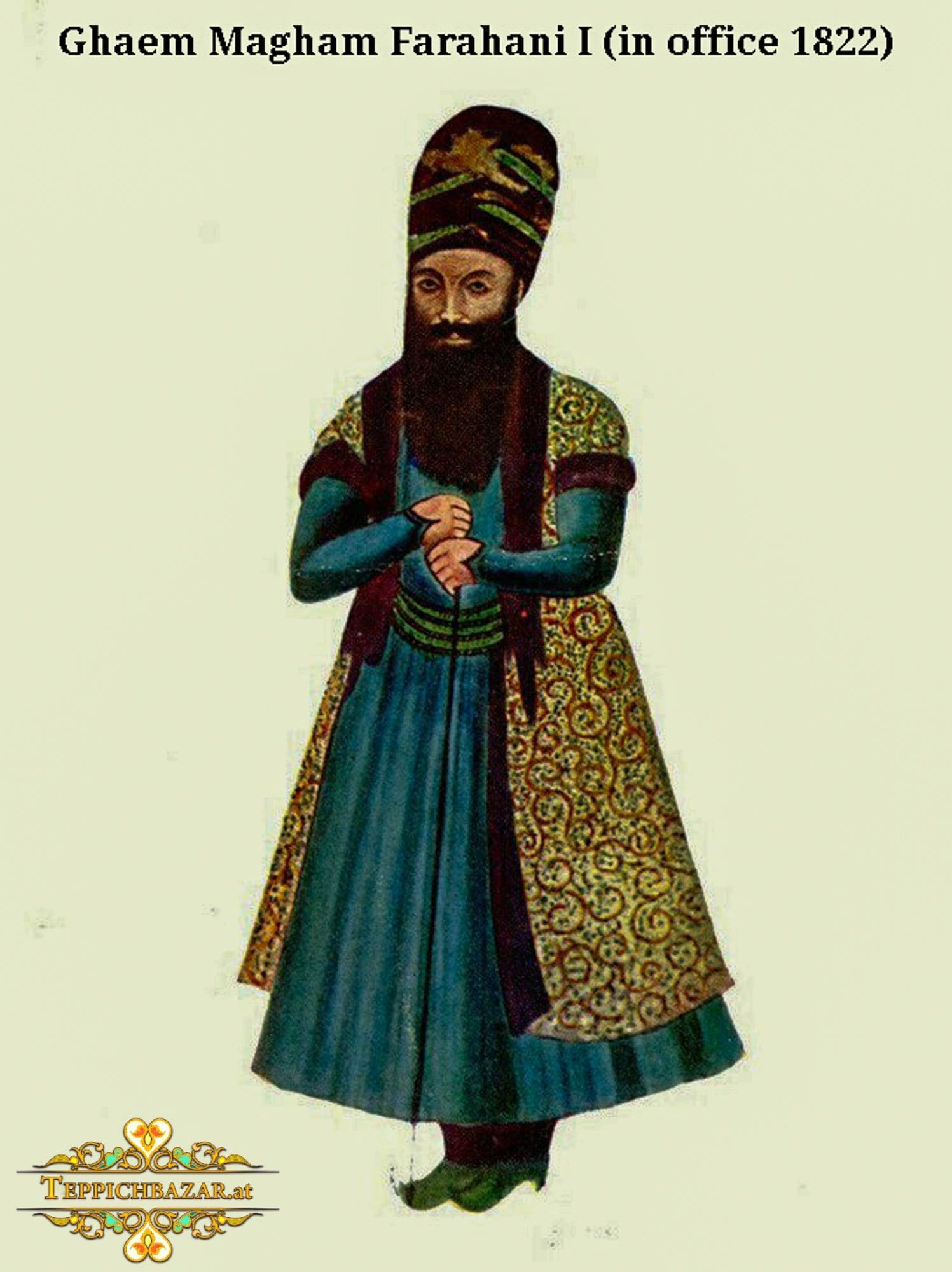 Ghaem Magham Farahani I, 19th-century Qajar-era statesman from Farahan
Gifts to the United Nations
The Art of the United Nations
The United Nations art collection includes a wide range of artworks from around the world that promote cultural exchange and support international cooperation.
The UN gift programs — including celebrated Persian rugs — stand as a symbol of the long-standing cooperation between nations, representing culture as a bridge between peoples and a tool for promoting peace.
- UN Gift Collection: Persian Carpet
- UN Gift Collection: Isfahan Persian Rug
- UN Gift Collection: Silk Portraits of the Secretary-General
Handmade Persian Rugs
Oriental Heritage in the West
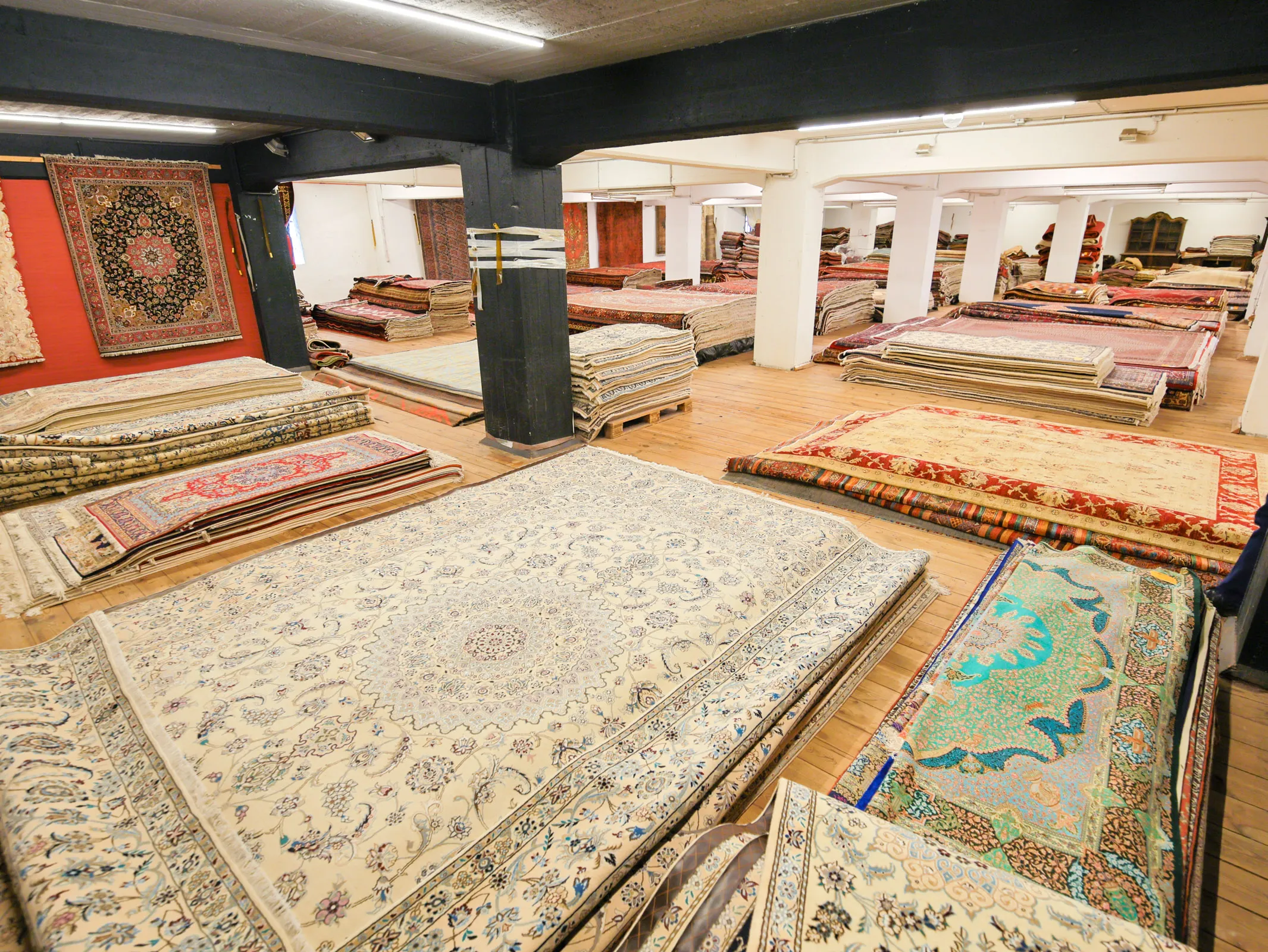
In the 19th century, the trading house Ziegler & Co. played a central role in bringing Persian rugs from Central Persia (Markazi) — including Soltanabad (Arak), Sarough, Farahan, Malayer, Kerman, Tabriz, Hamadan, and Isfahan — to European markets, documented in the Tehran Carpet Museum.
These connections illustrate the key role played by Farahan and its celebrated statesmen in promoting Persian rug art and cultural exchange during the 19th century. See the full story on our Our Family Heritage page.
Note: Historical images referenced here are generally in the public domain, as copyright expires 70 years after the creator’s death. Many works are over 100 years old or released under a Creative Commons license.