Origins & Inspiration — From Kerman to Qom
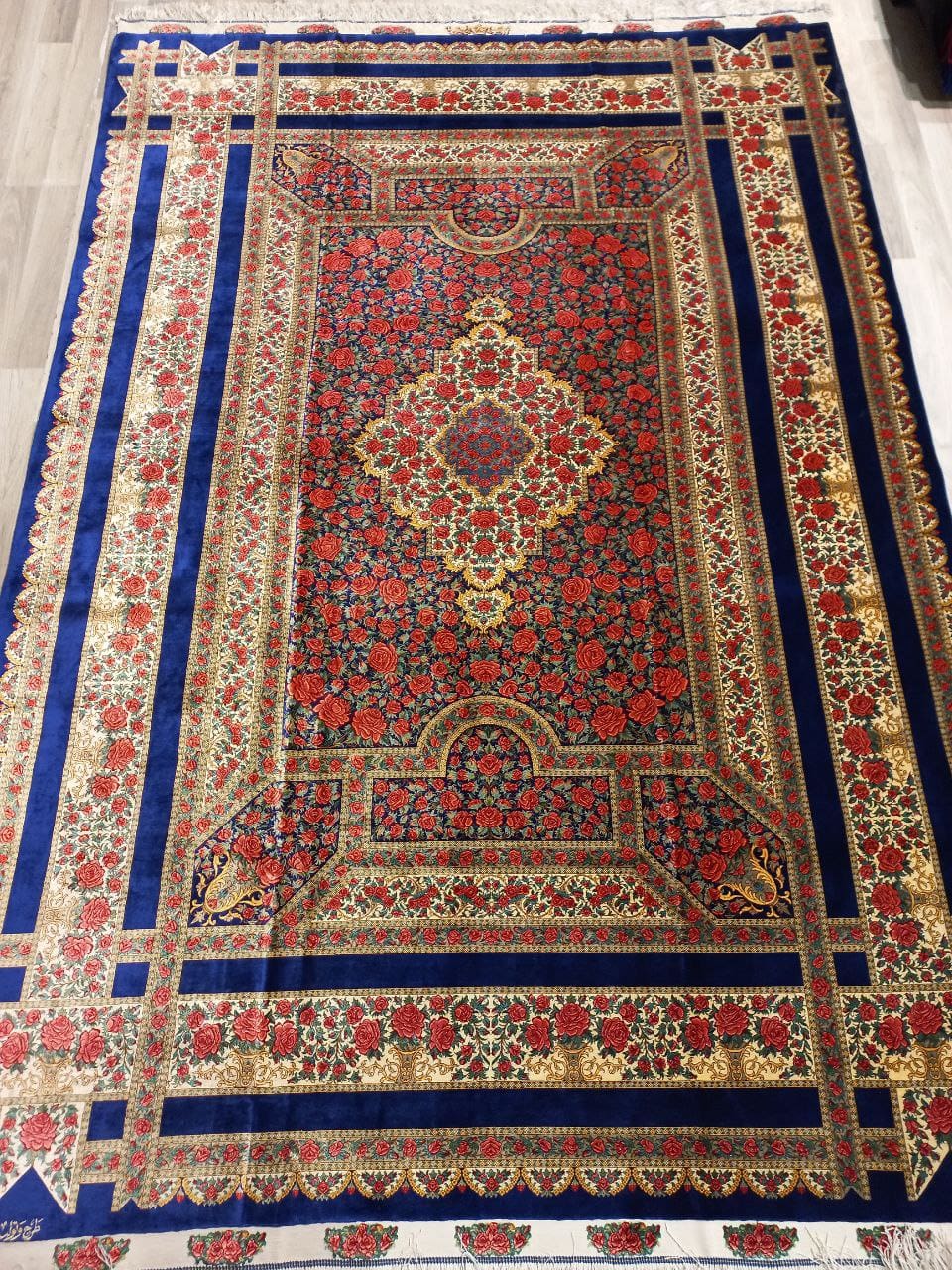
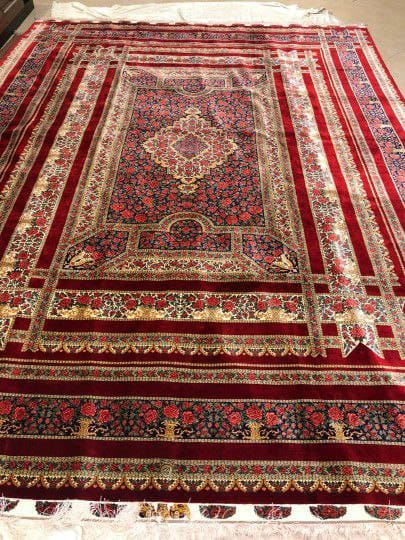
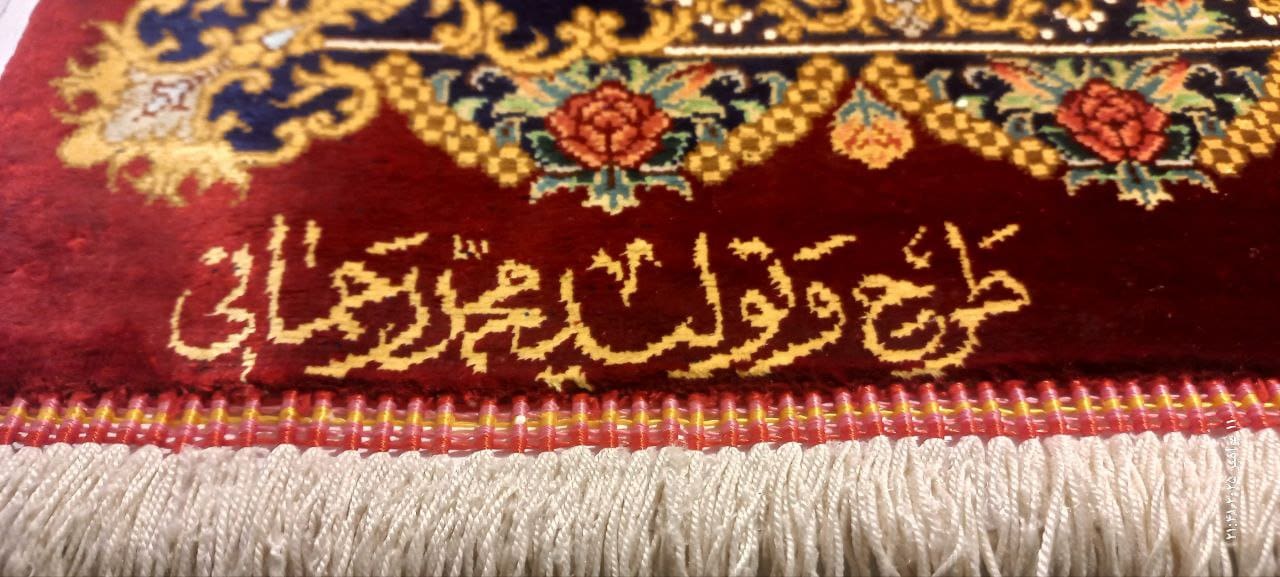
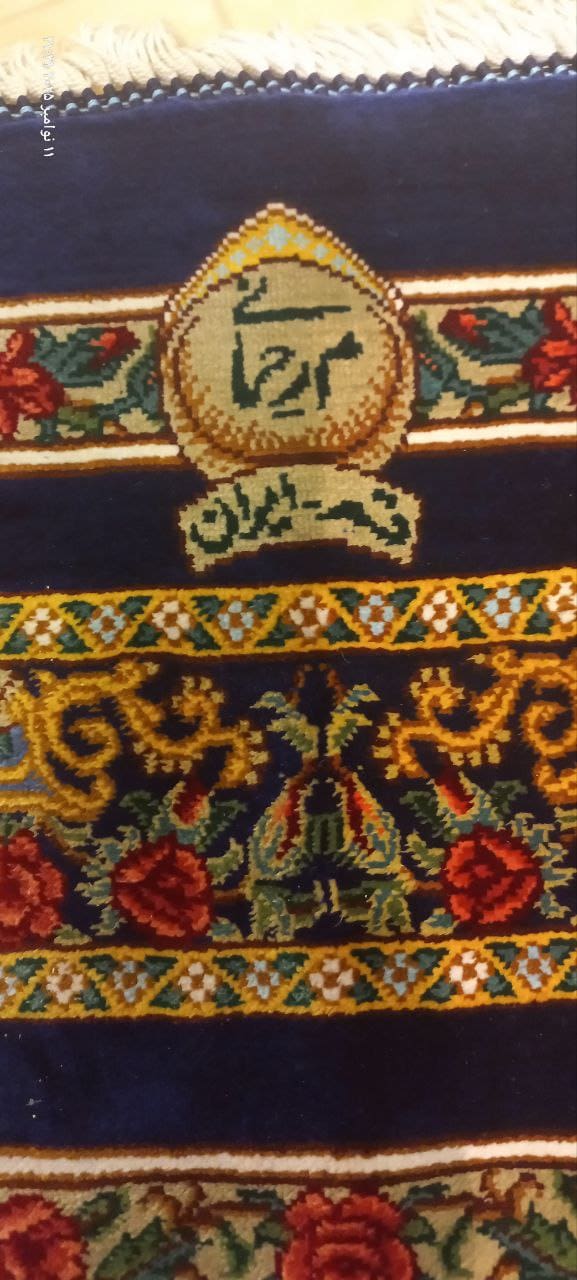
The story of Rahmani Carpet is a chapter of modern rug artistry woven deeply into the culture of Qom silk rugs. As a family business spanning several generations of craftsmanship, the Rahmani family developed a design language that became one of the most influential and distinctive styles of recent decades: the Rose Carpet.
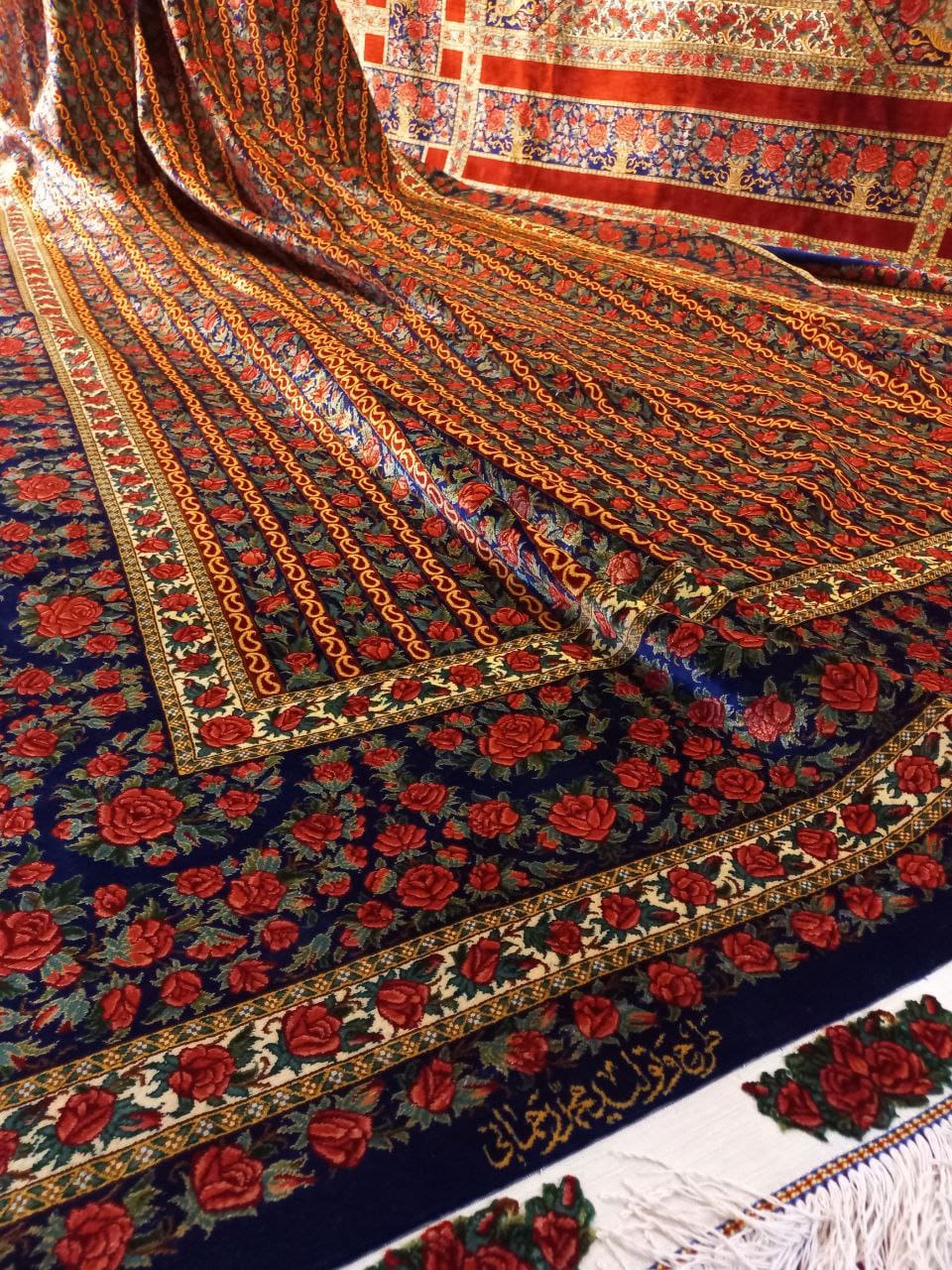
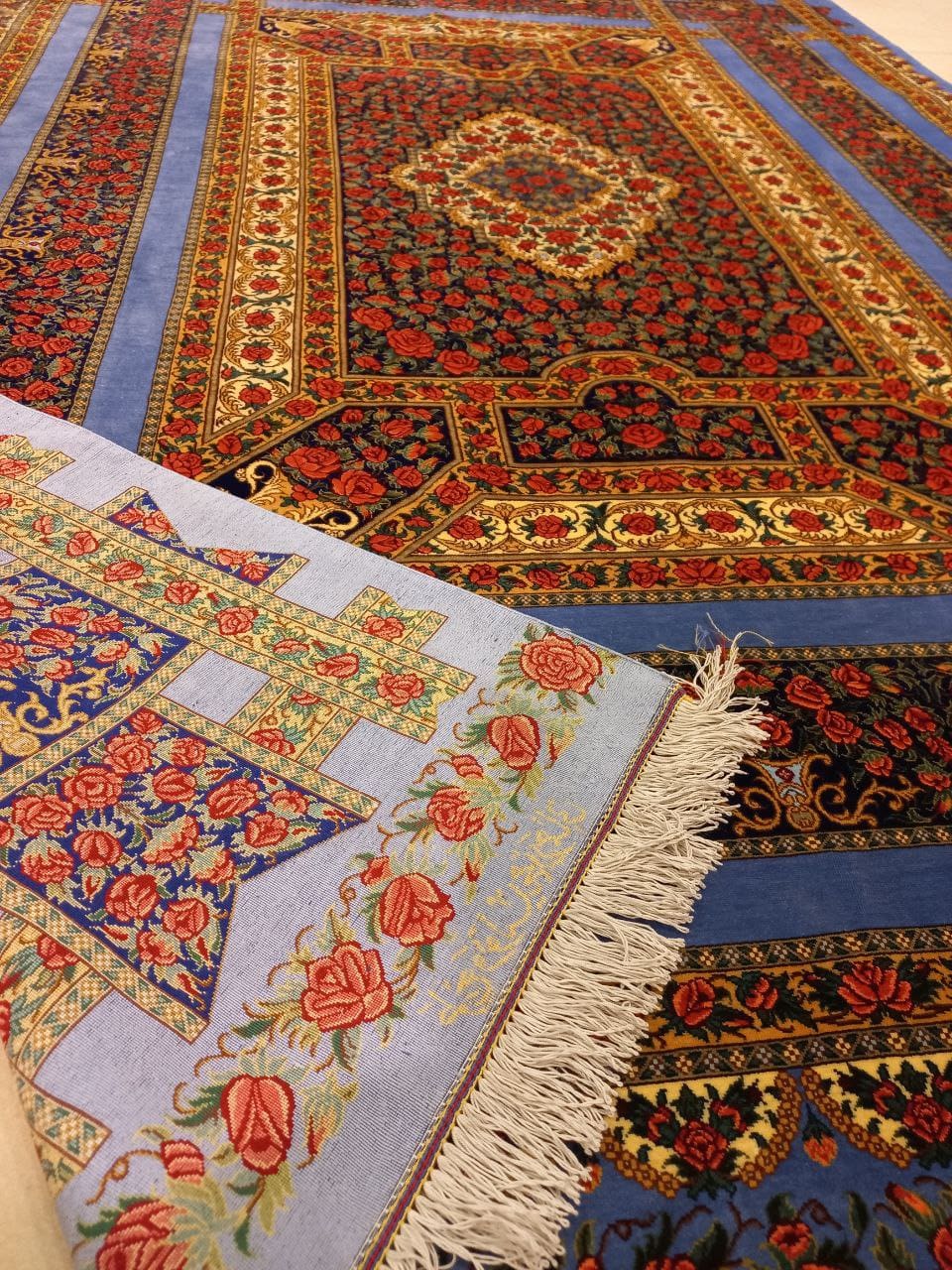
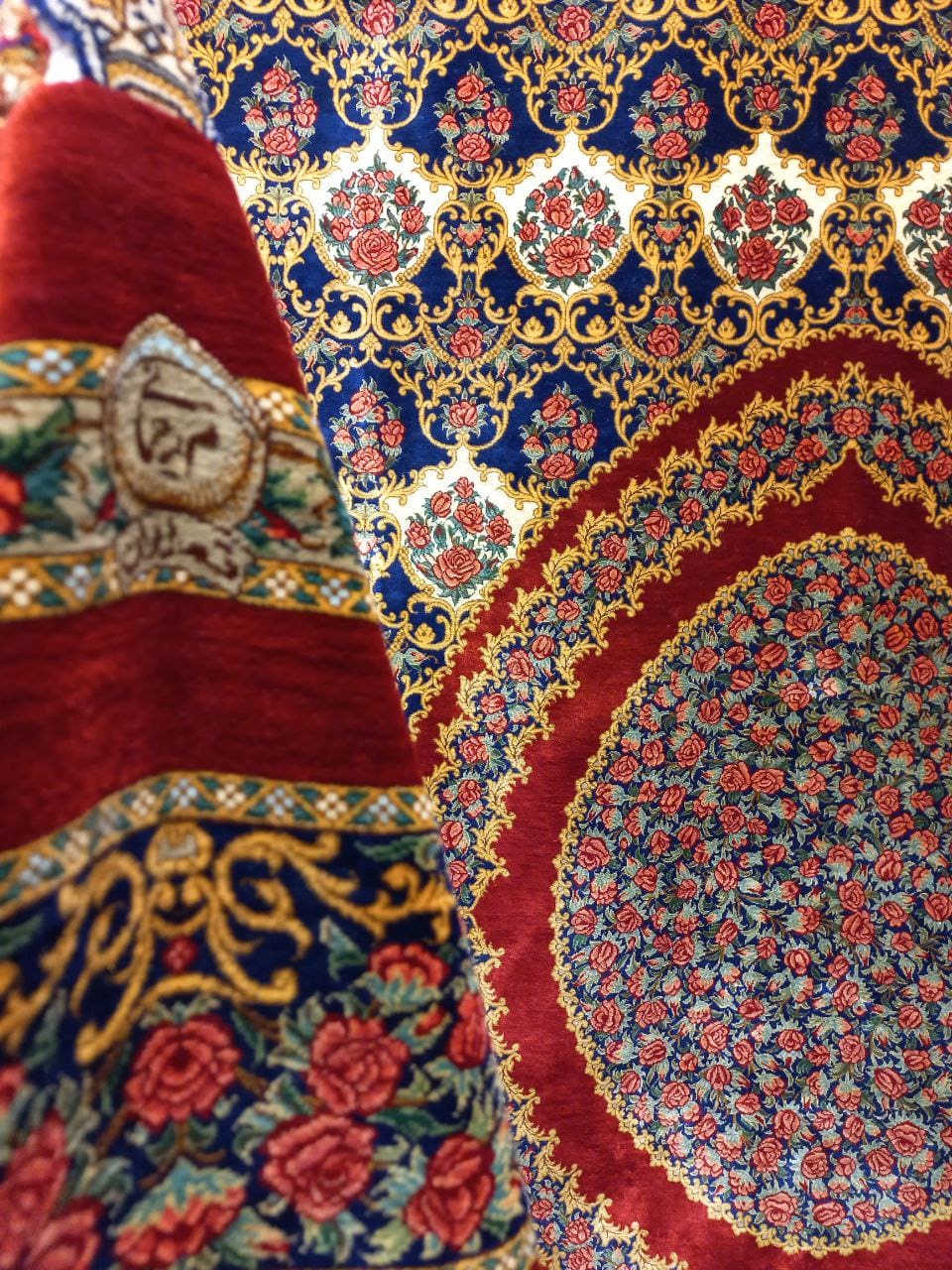
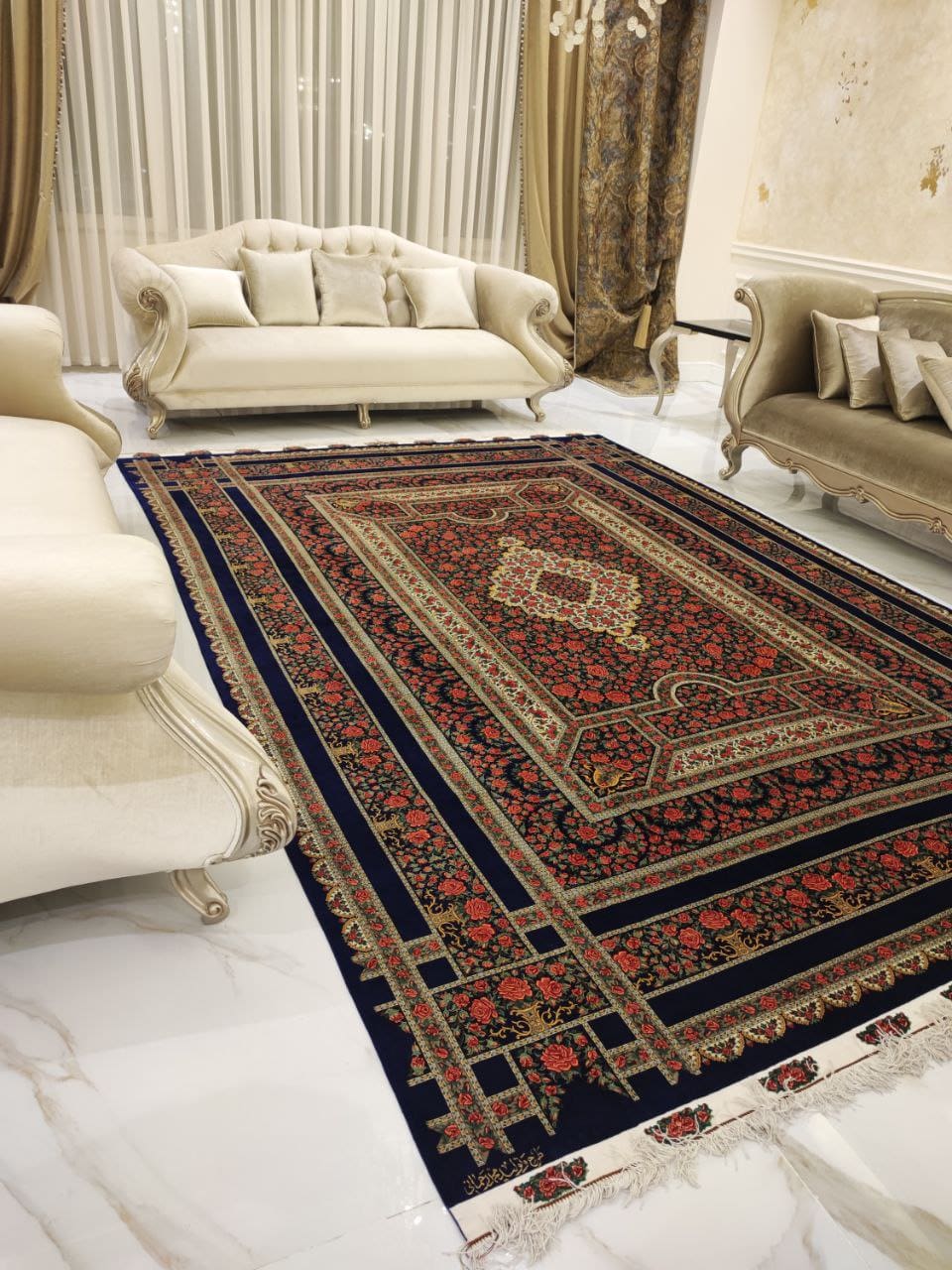
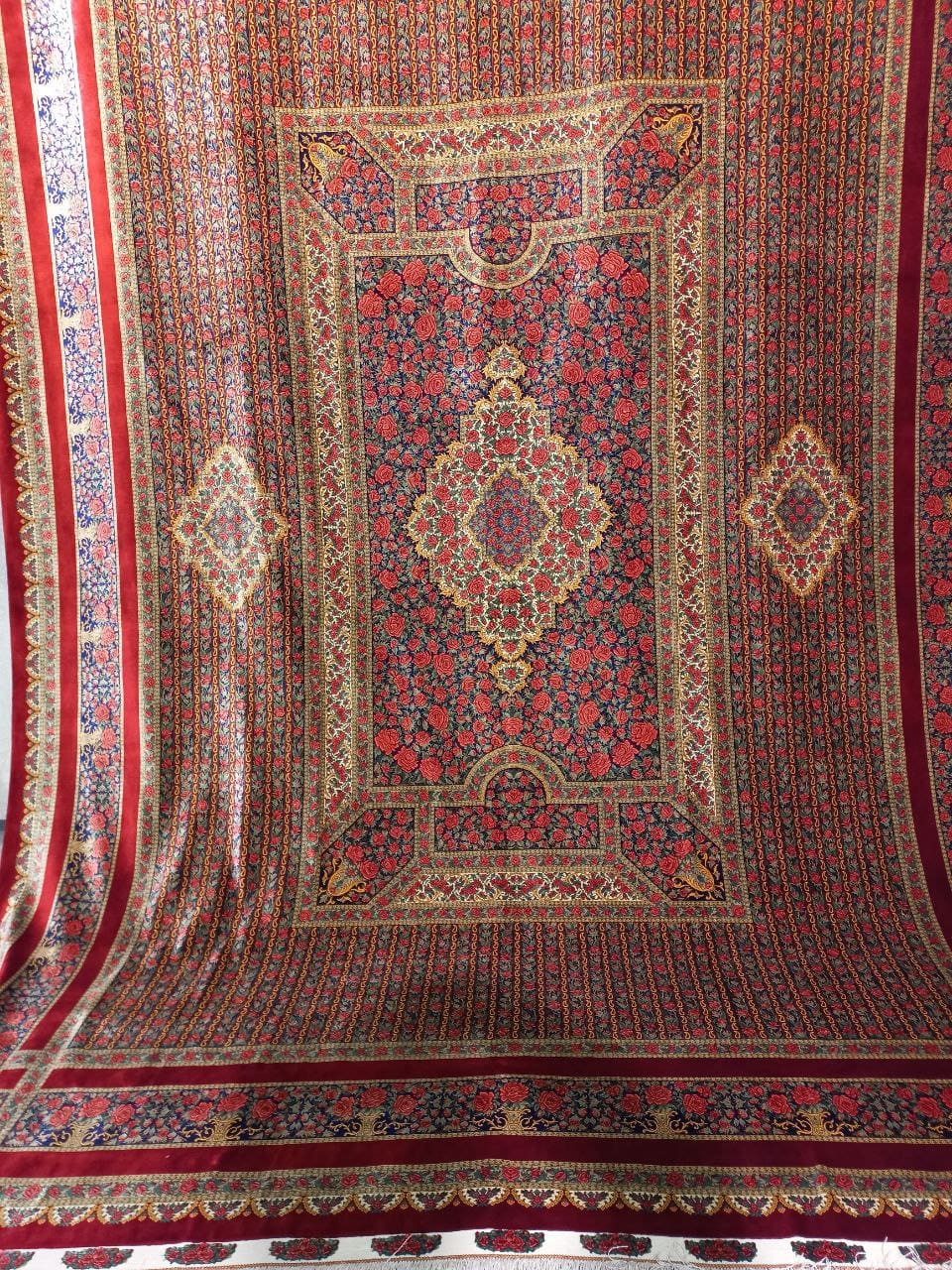
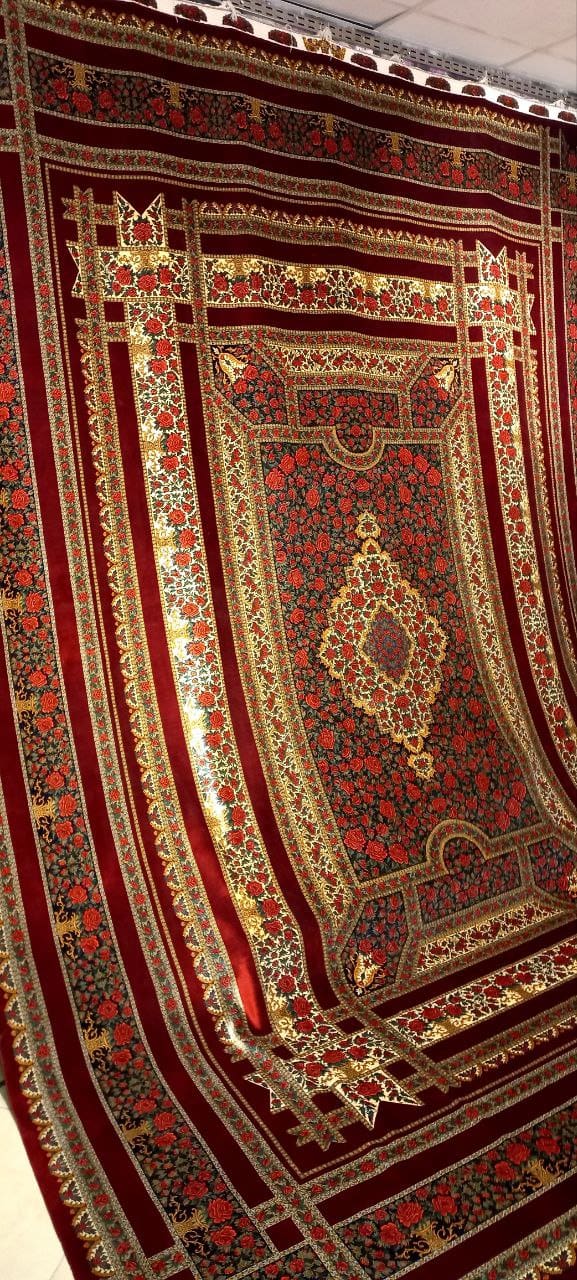
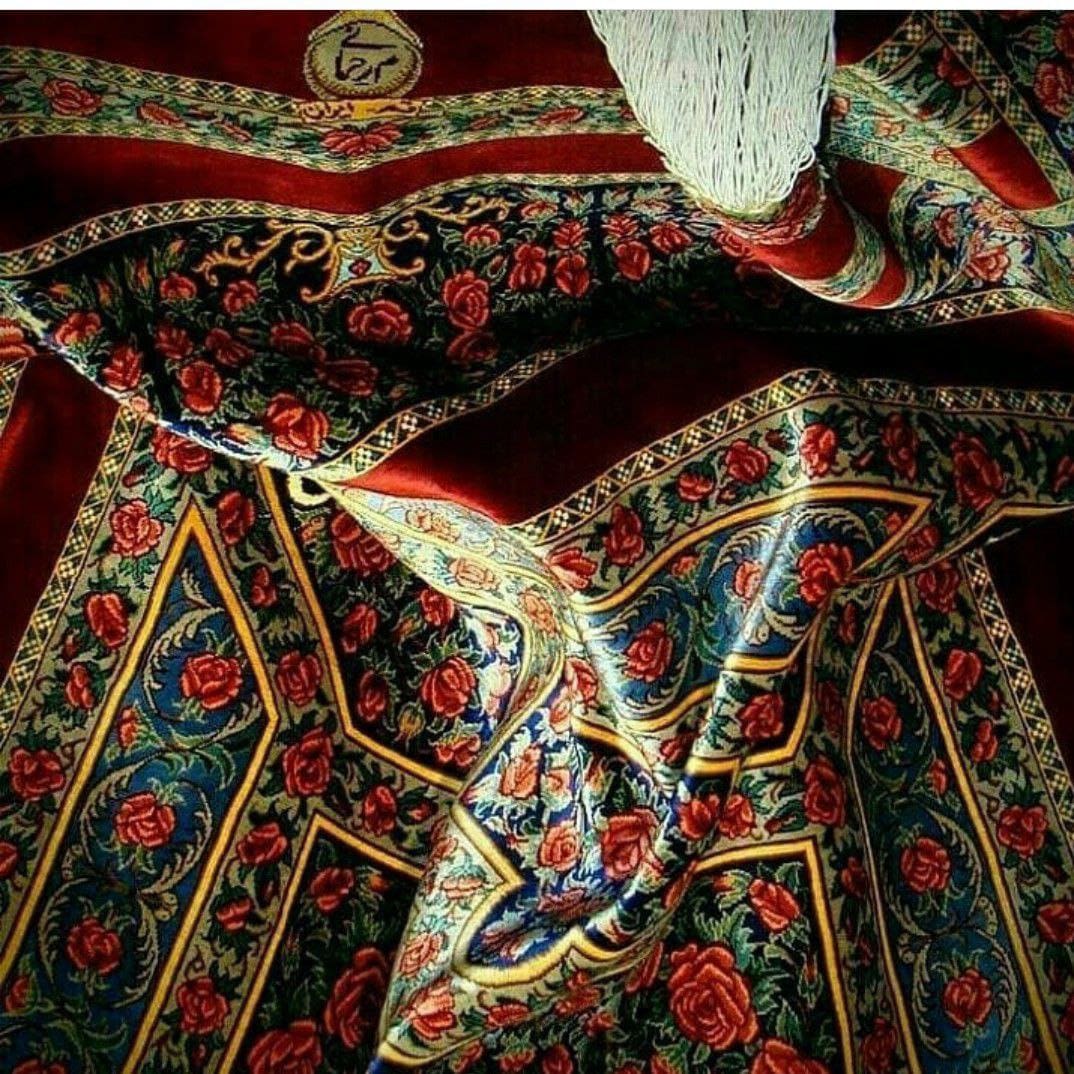
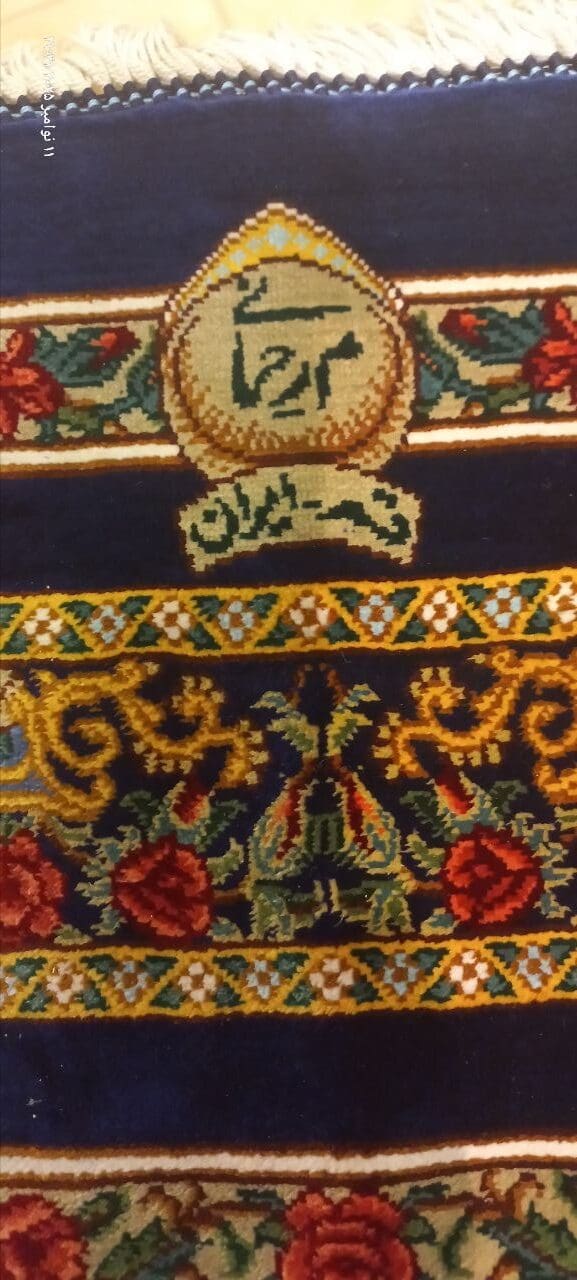
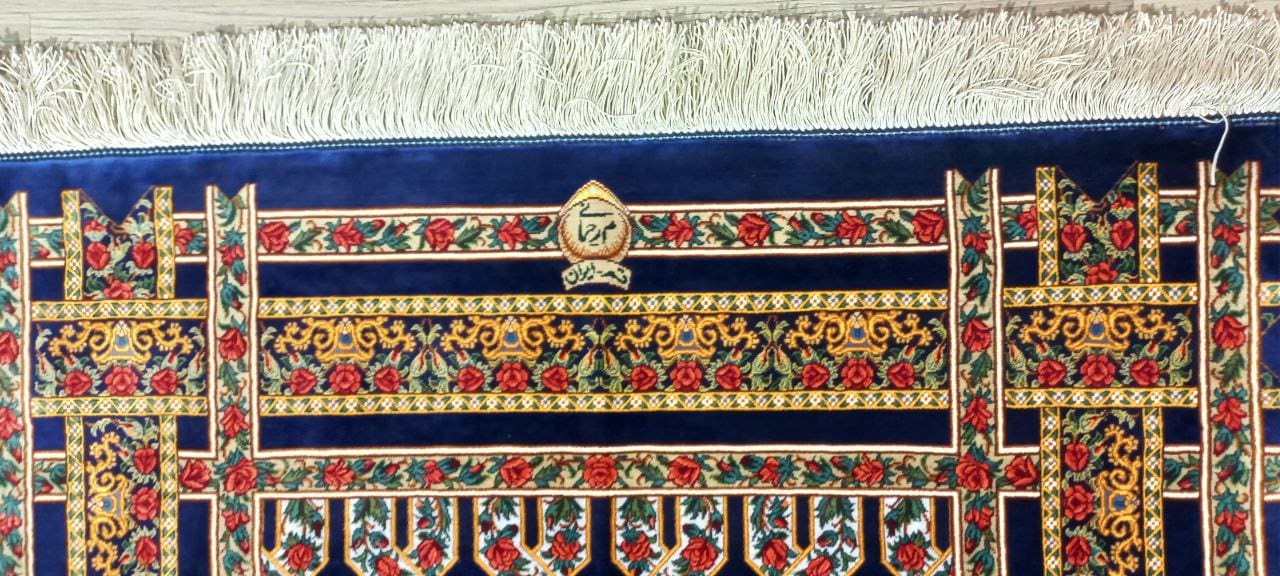
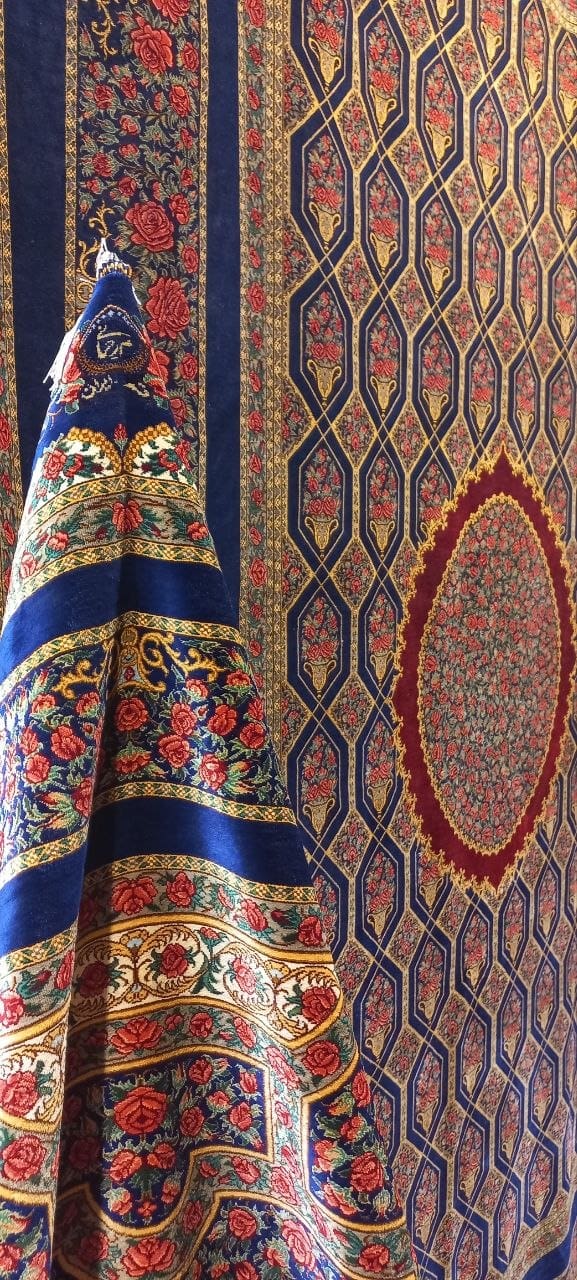
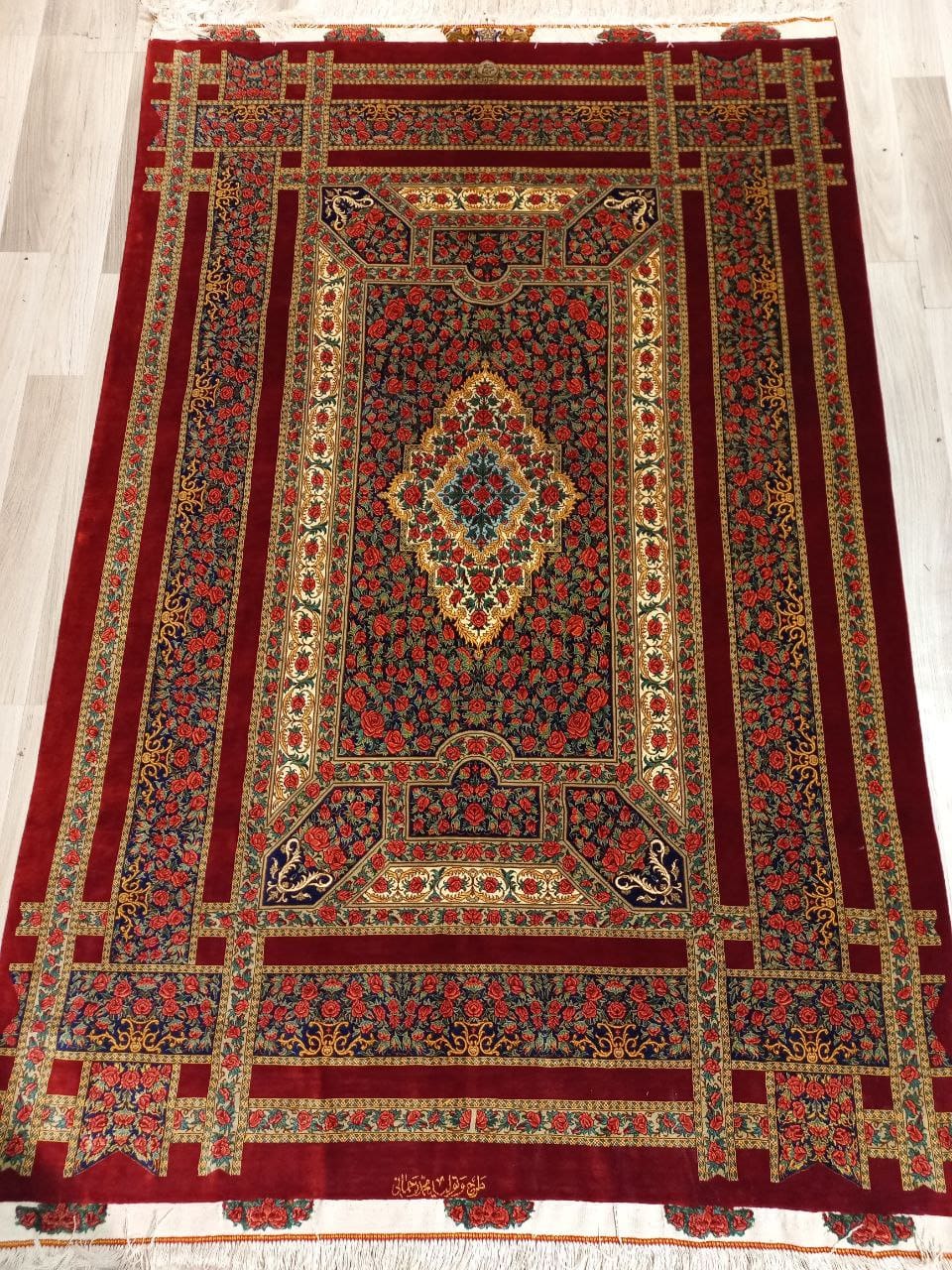
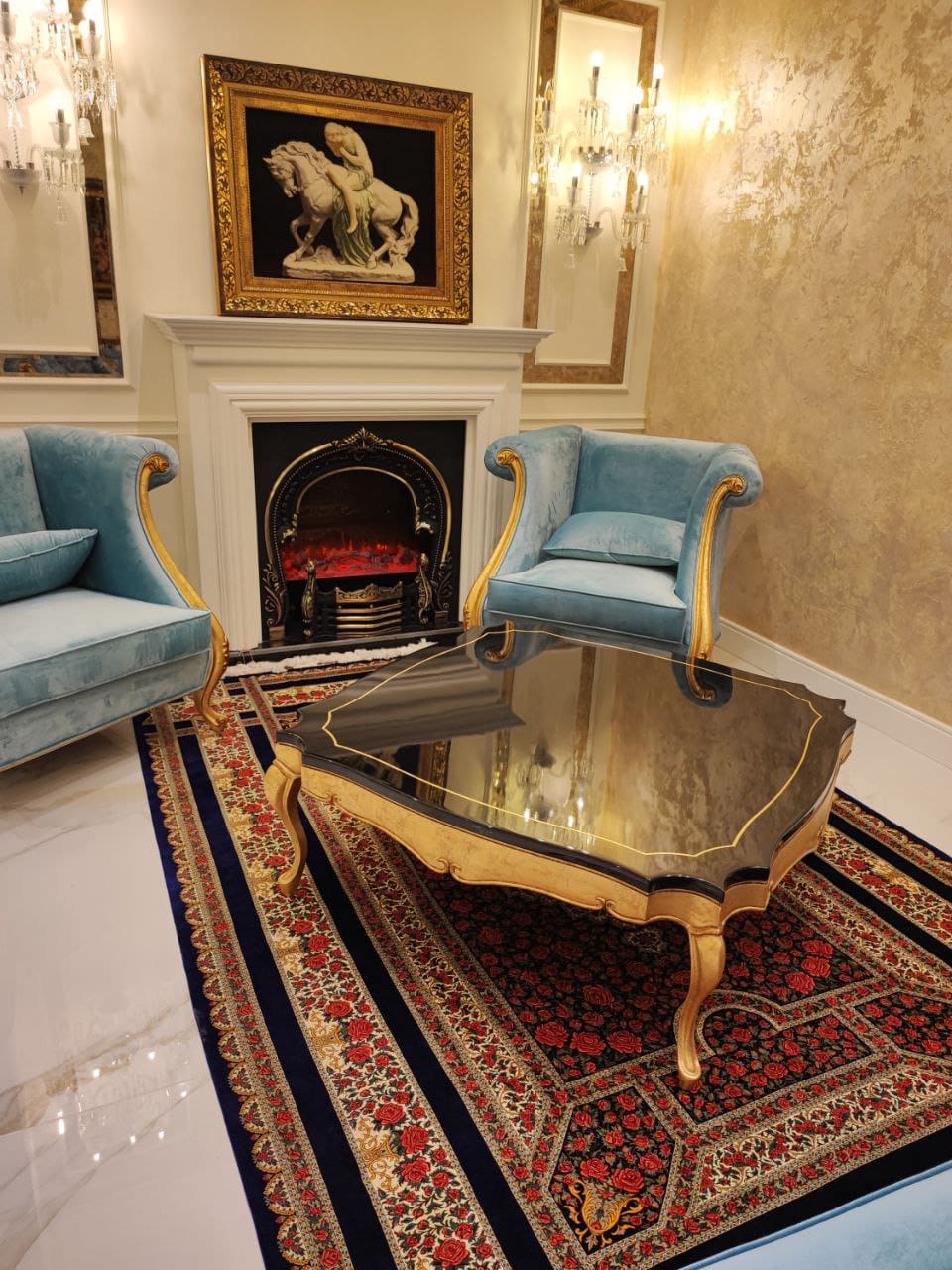
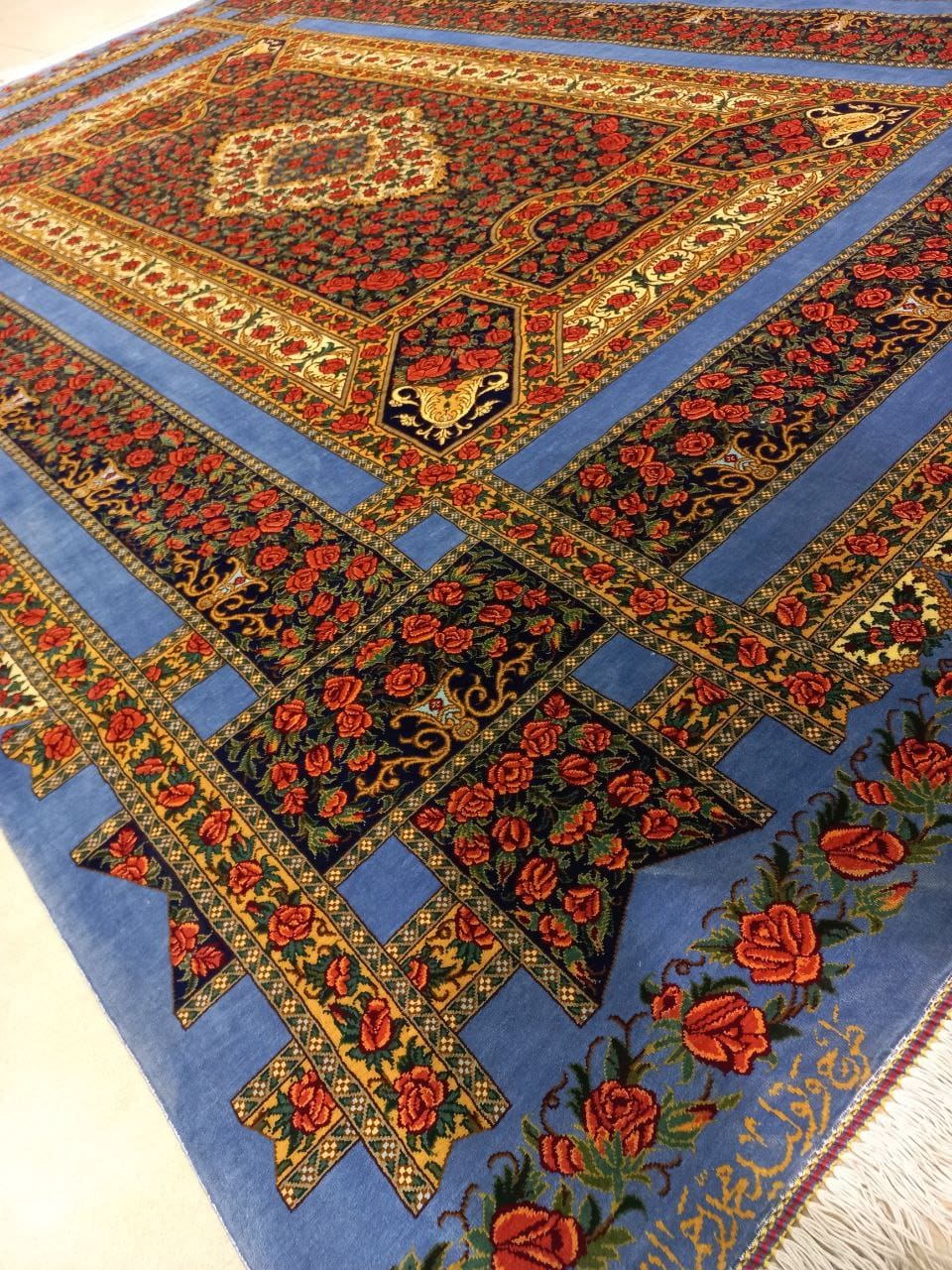
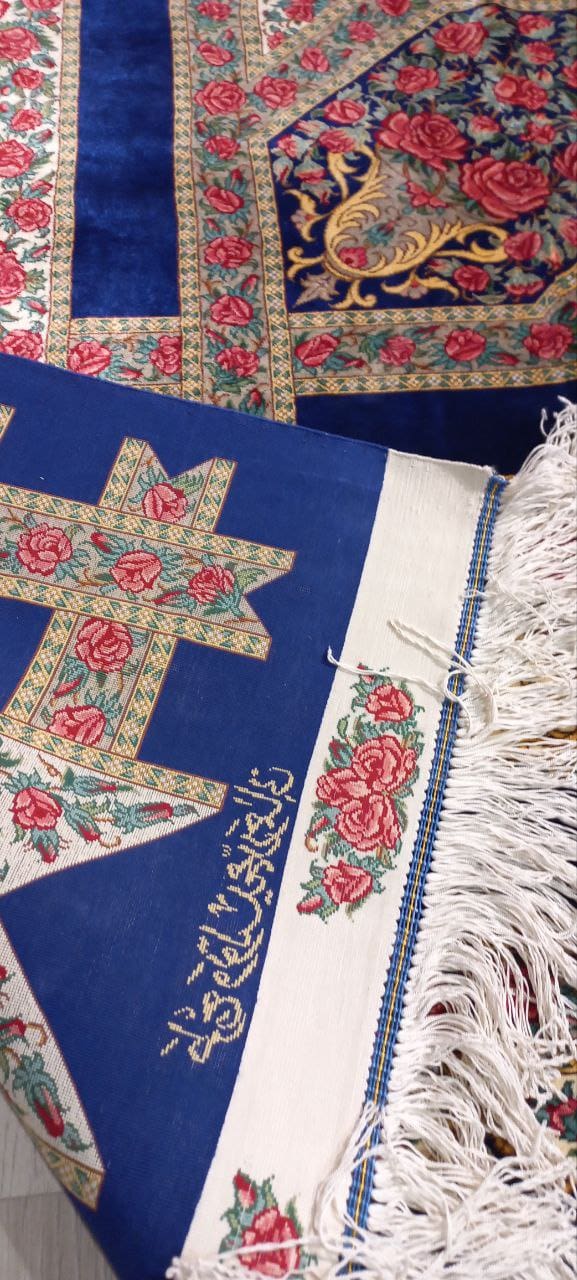
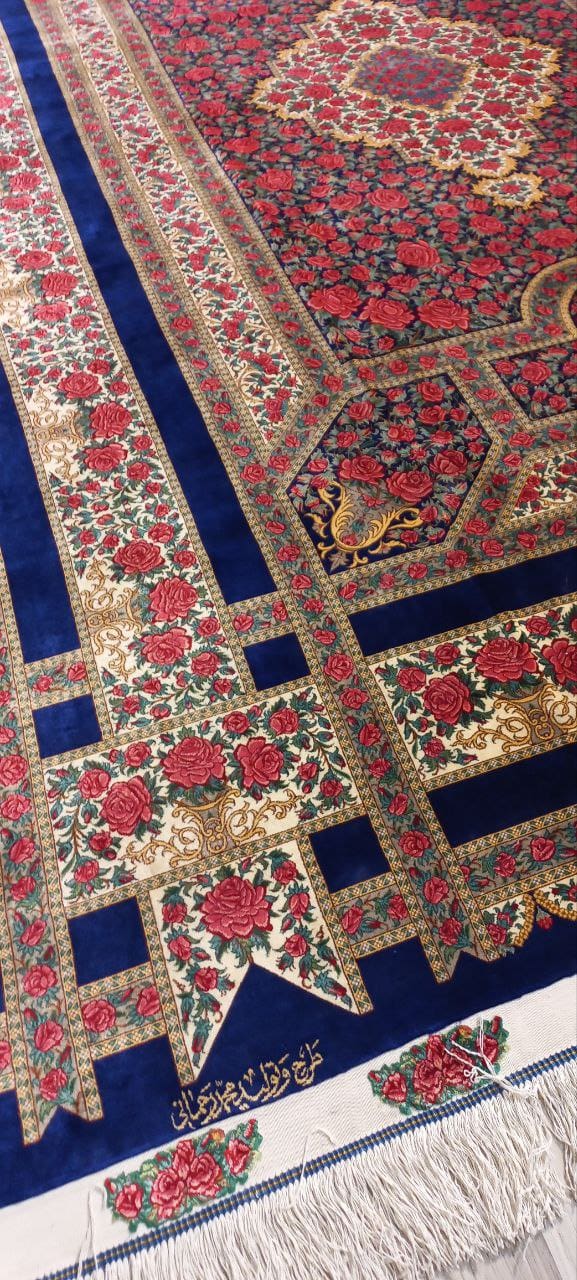
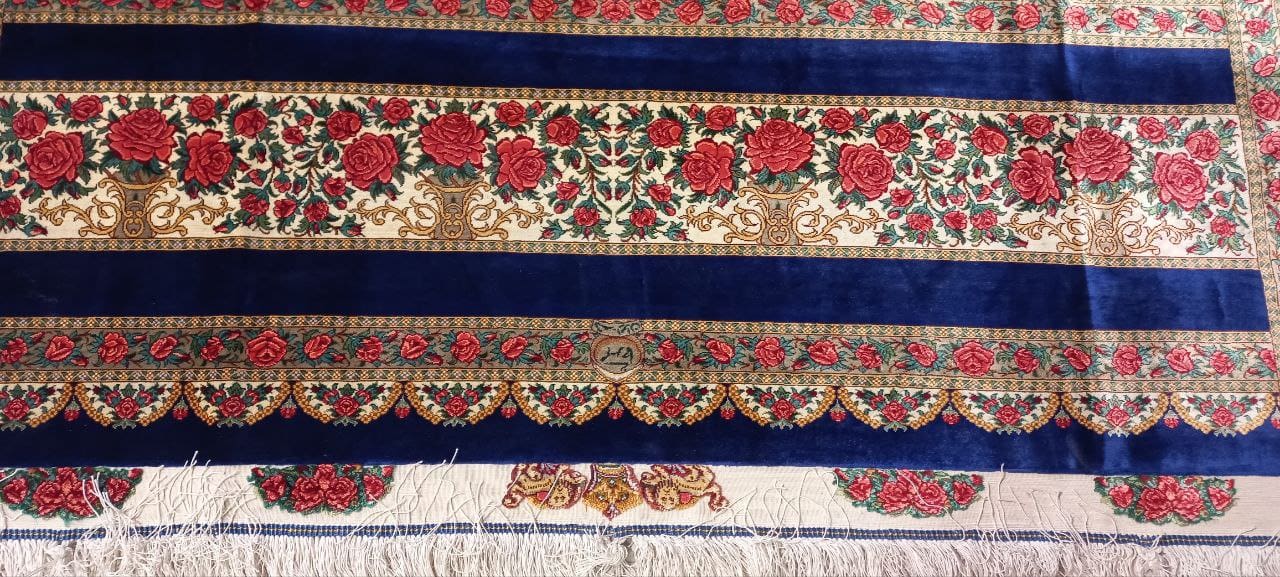
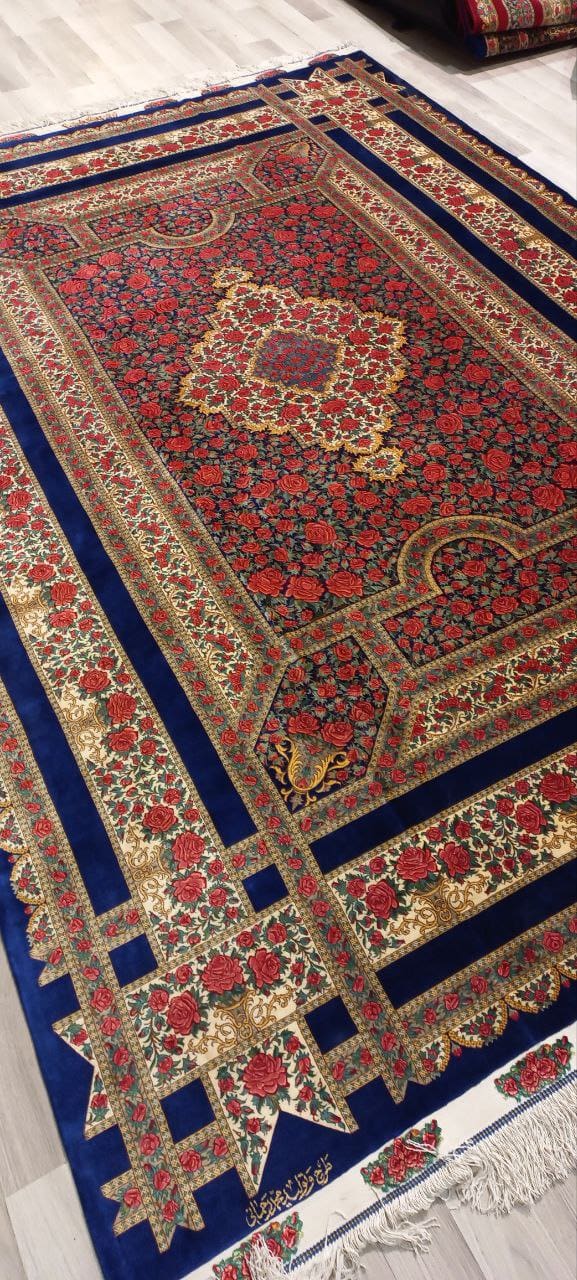
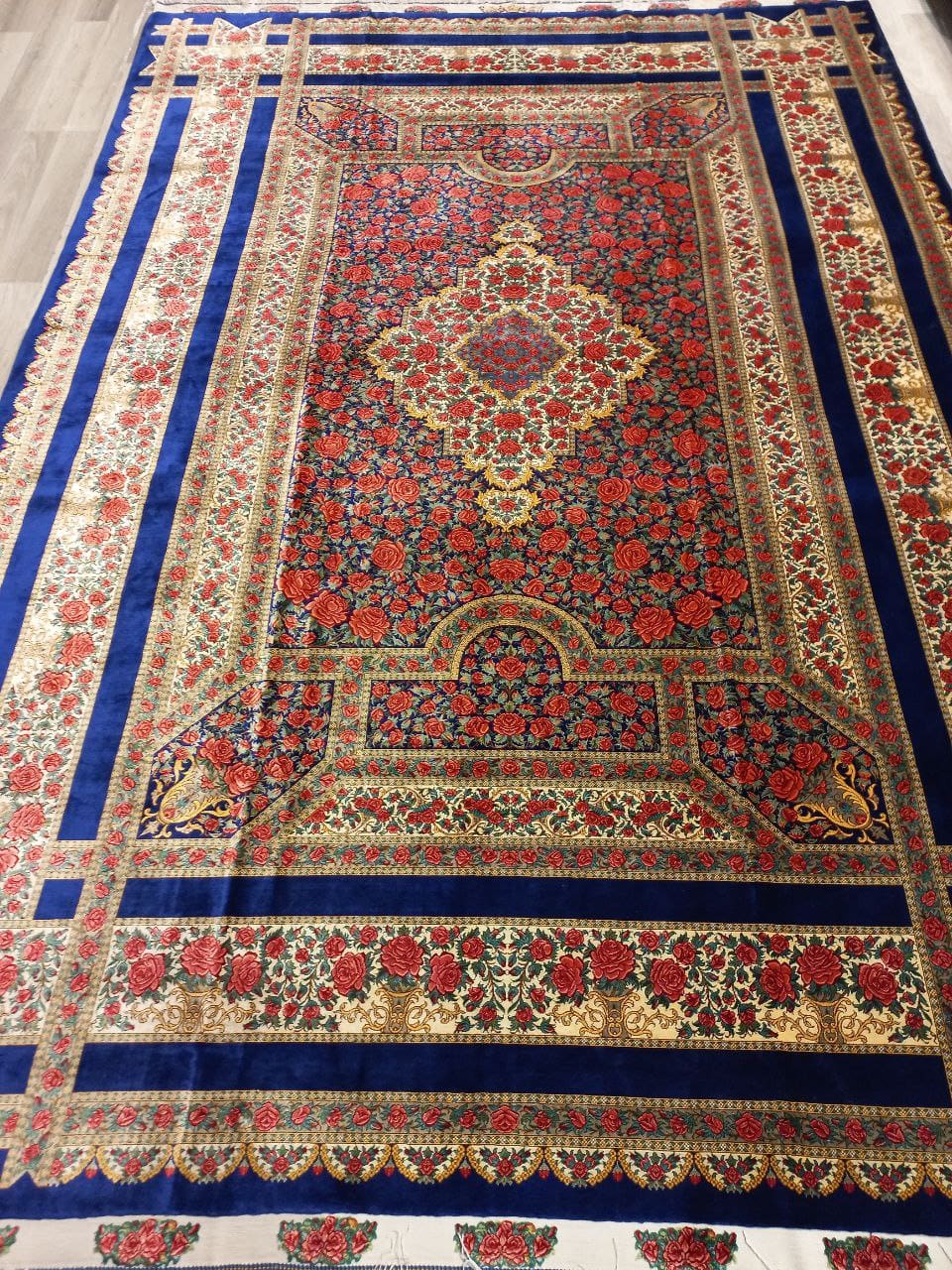
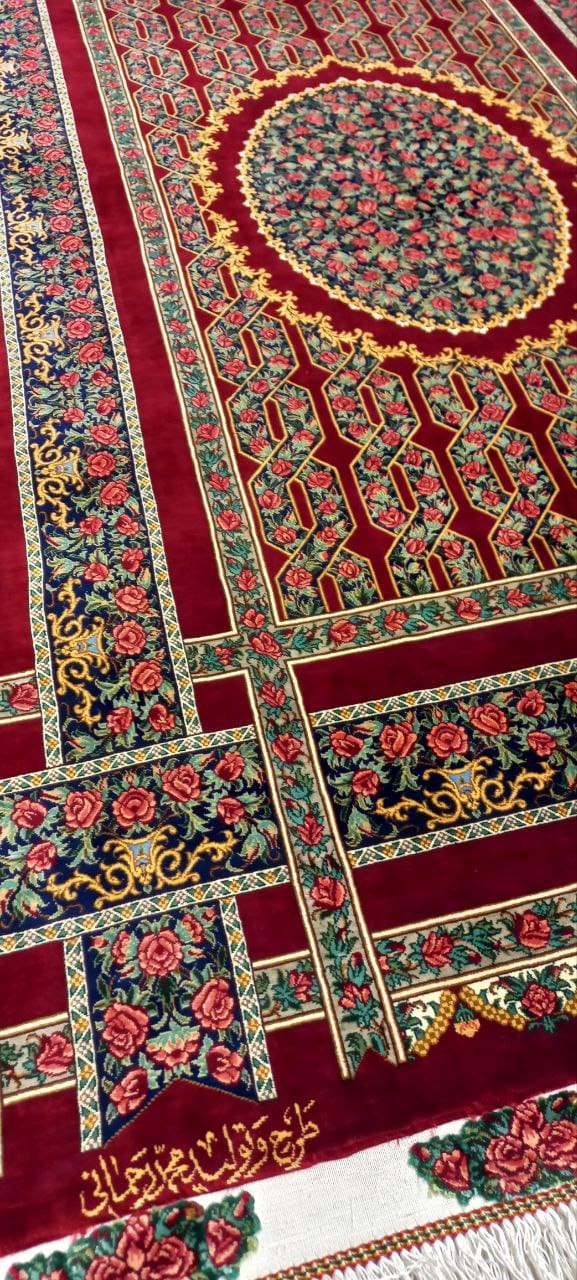
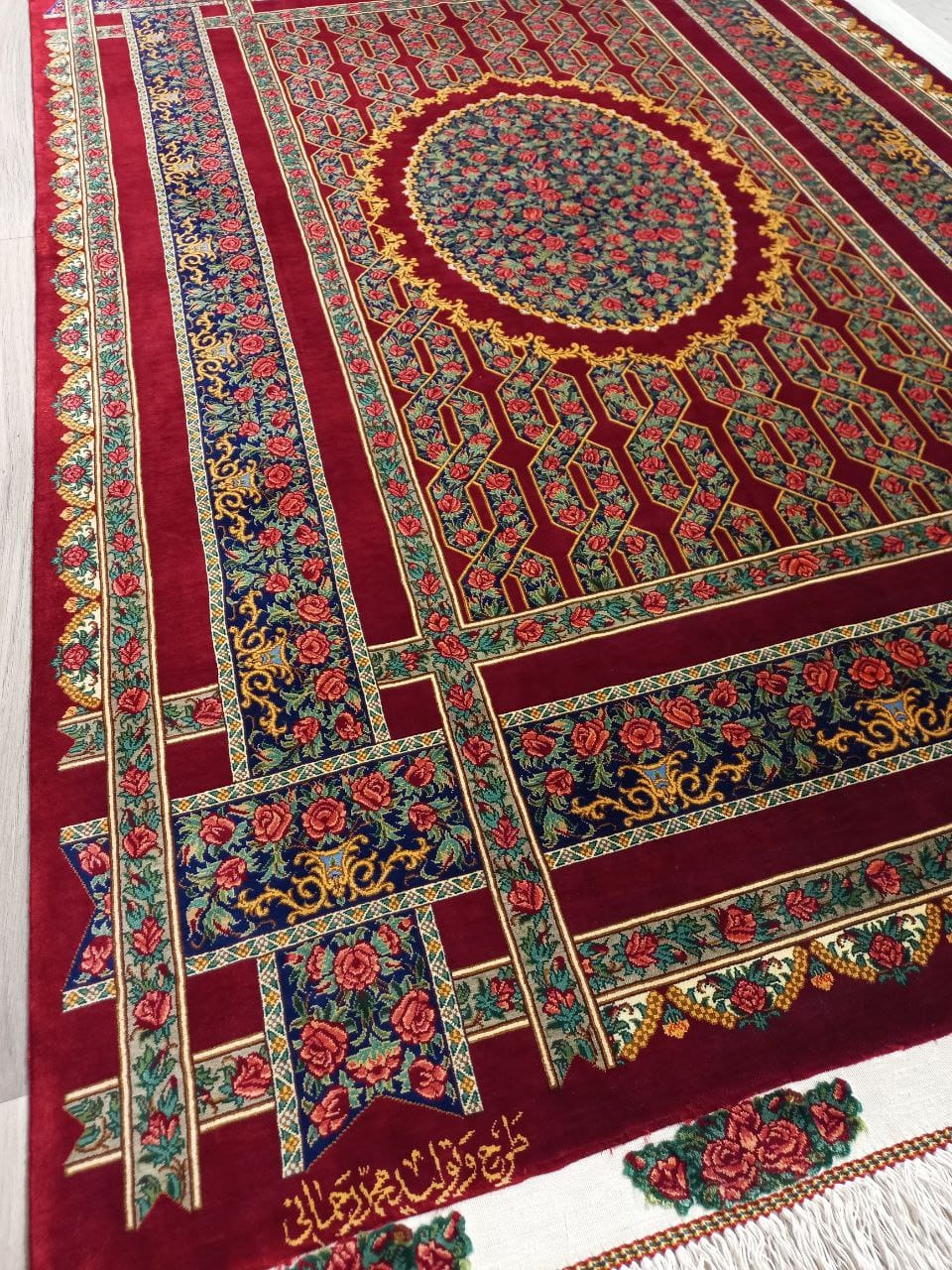
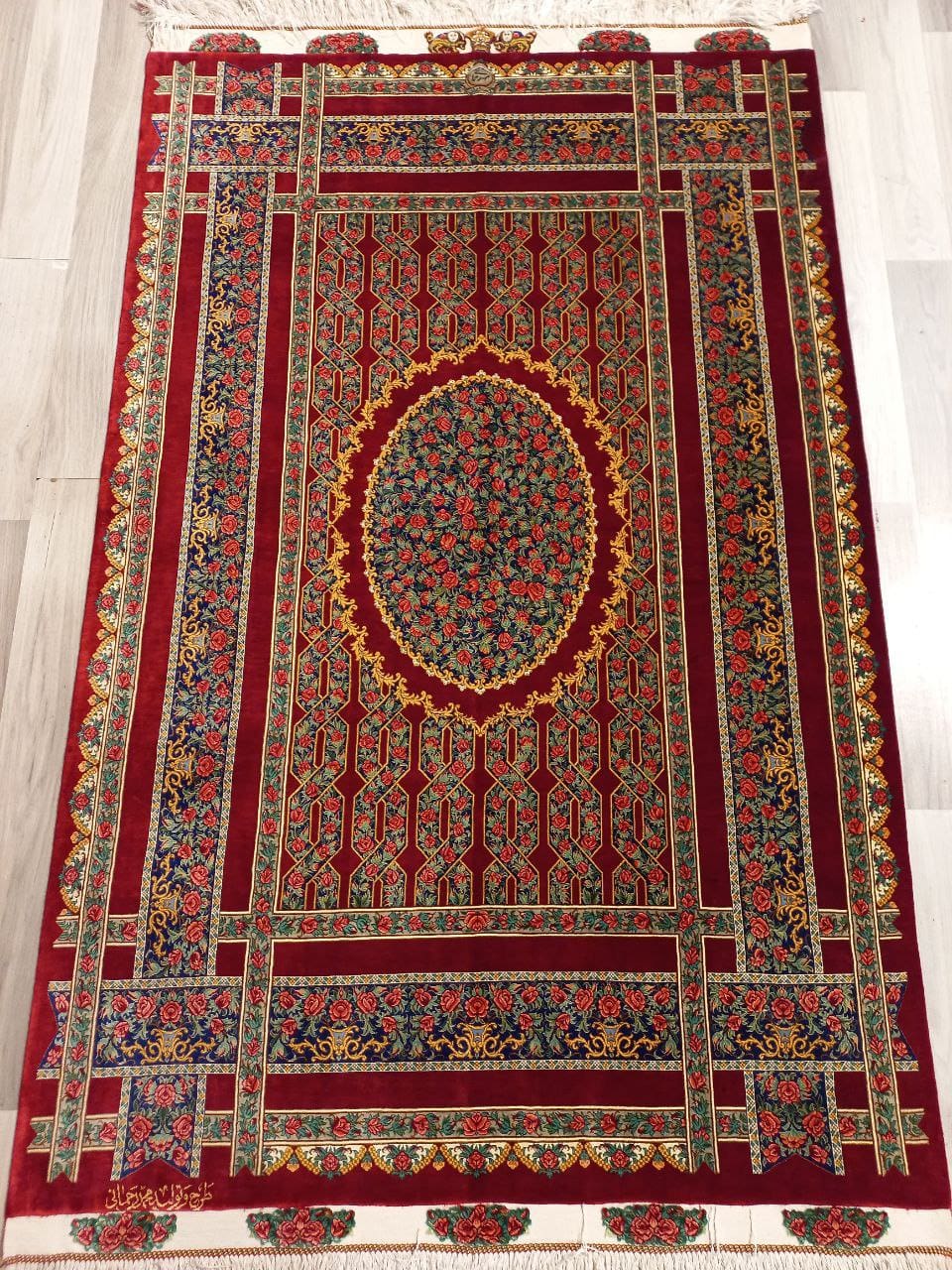
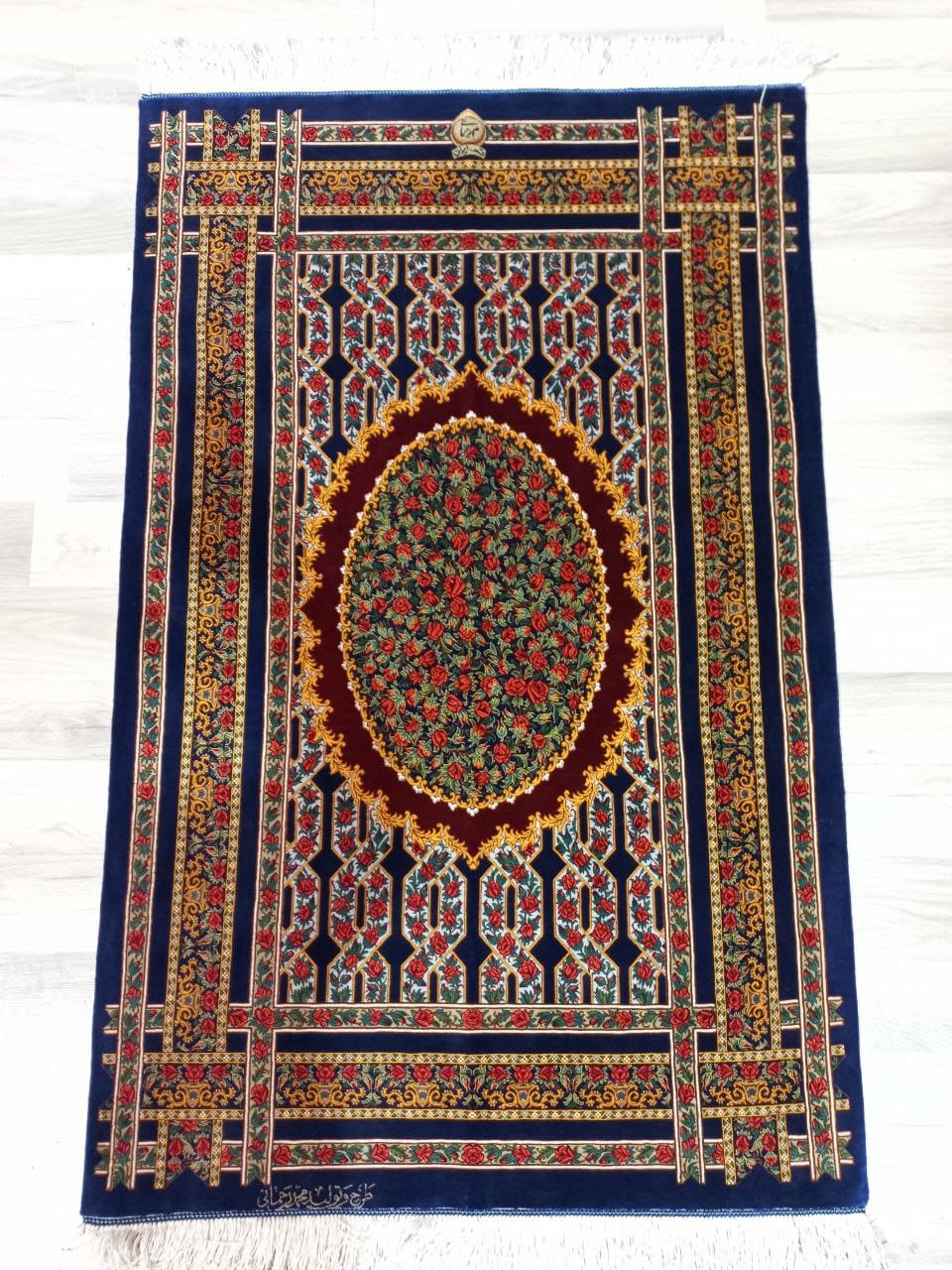
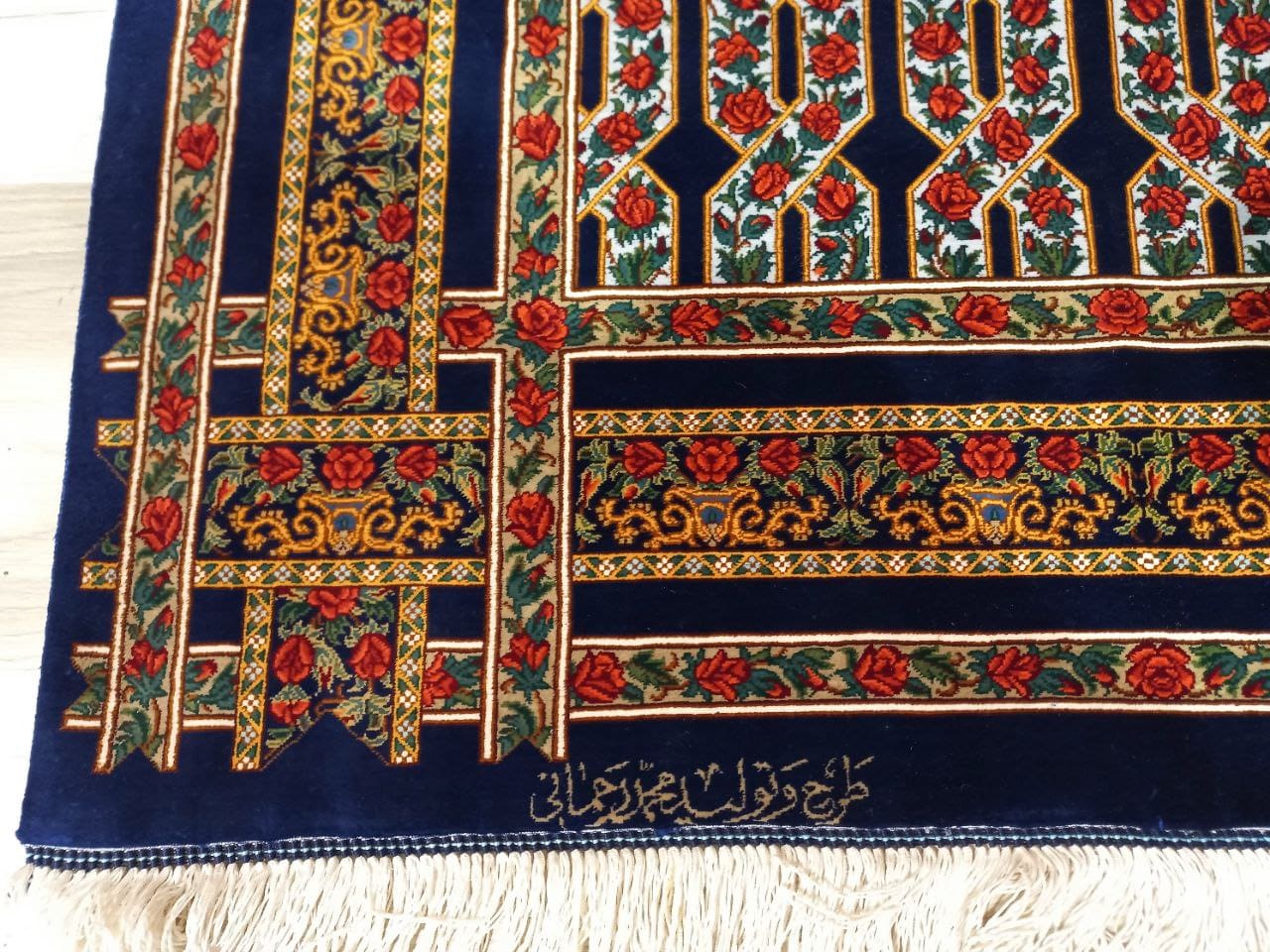
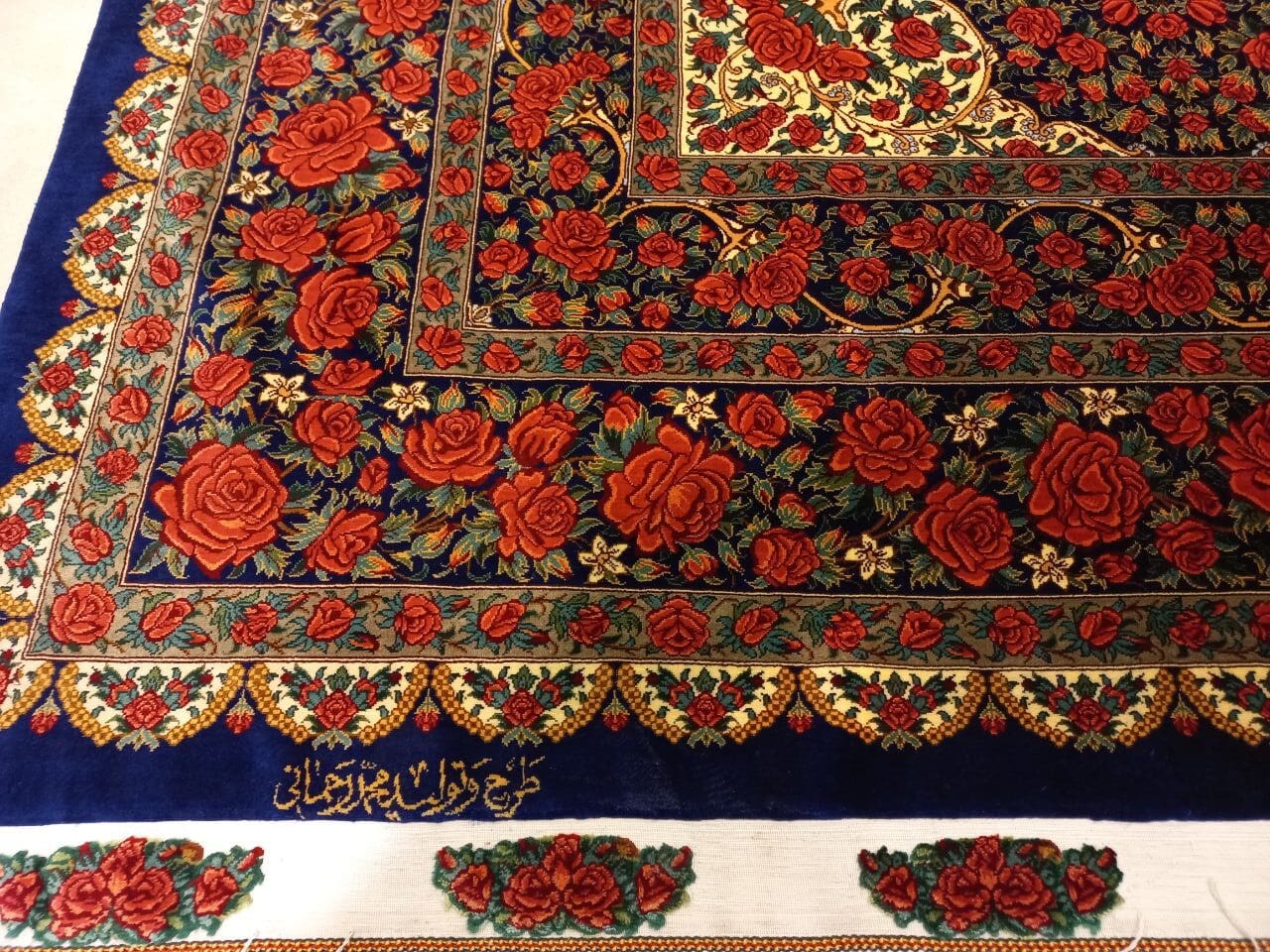
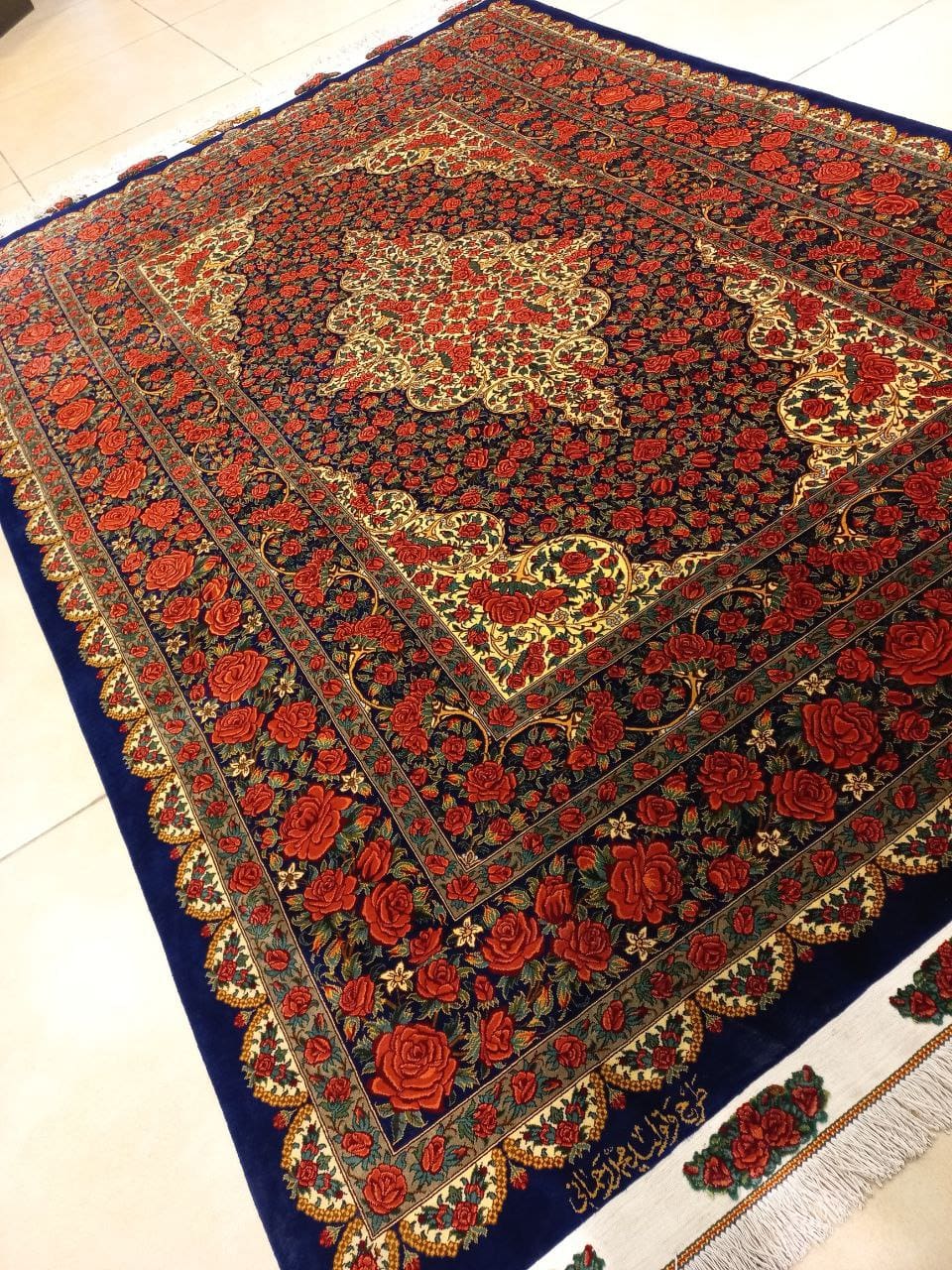
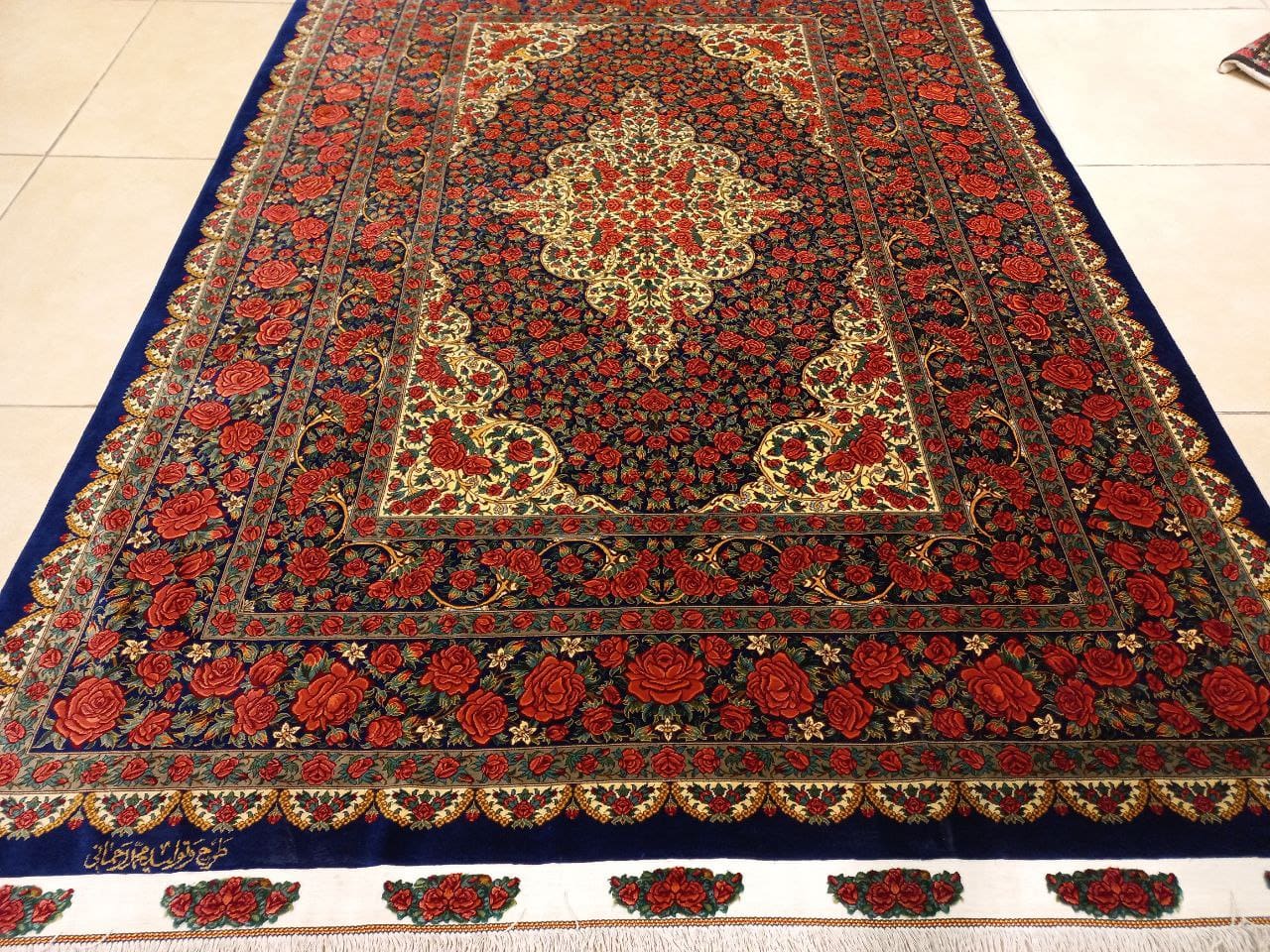
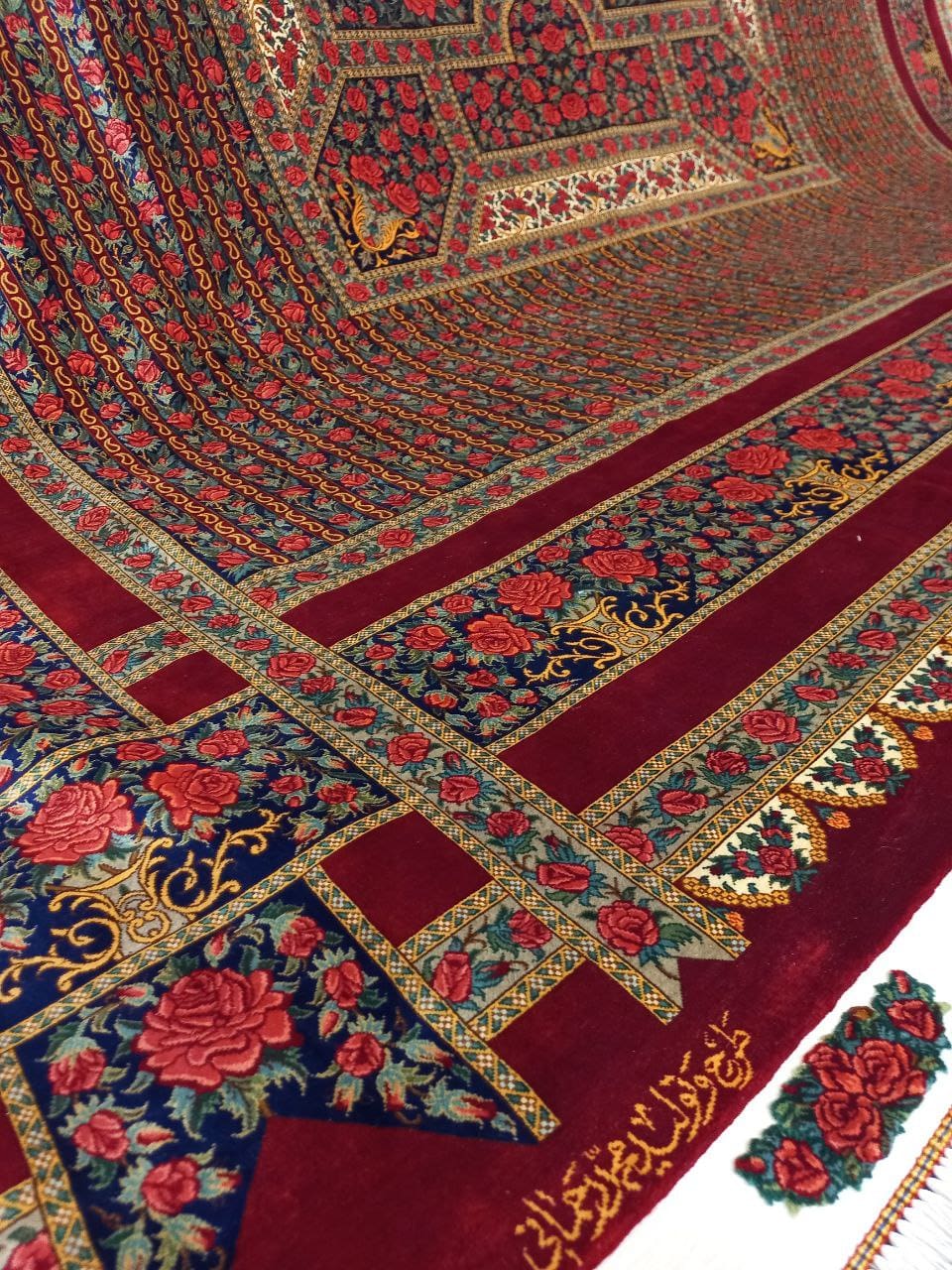
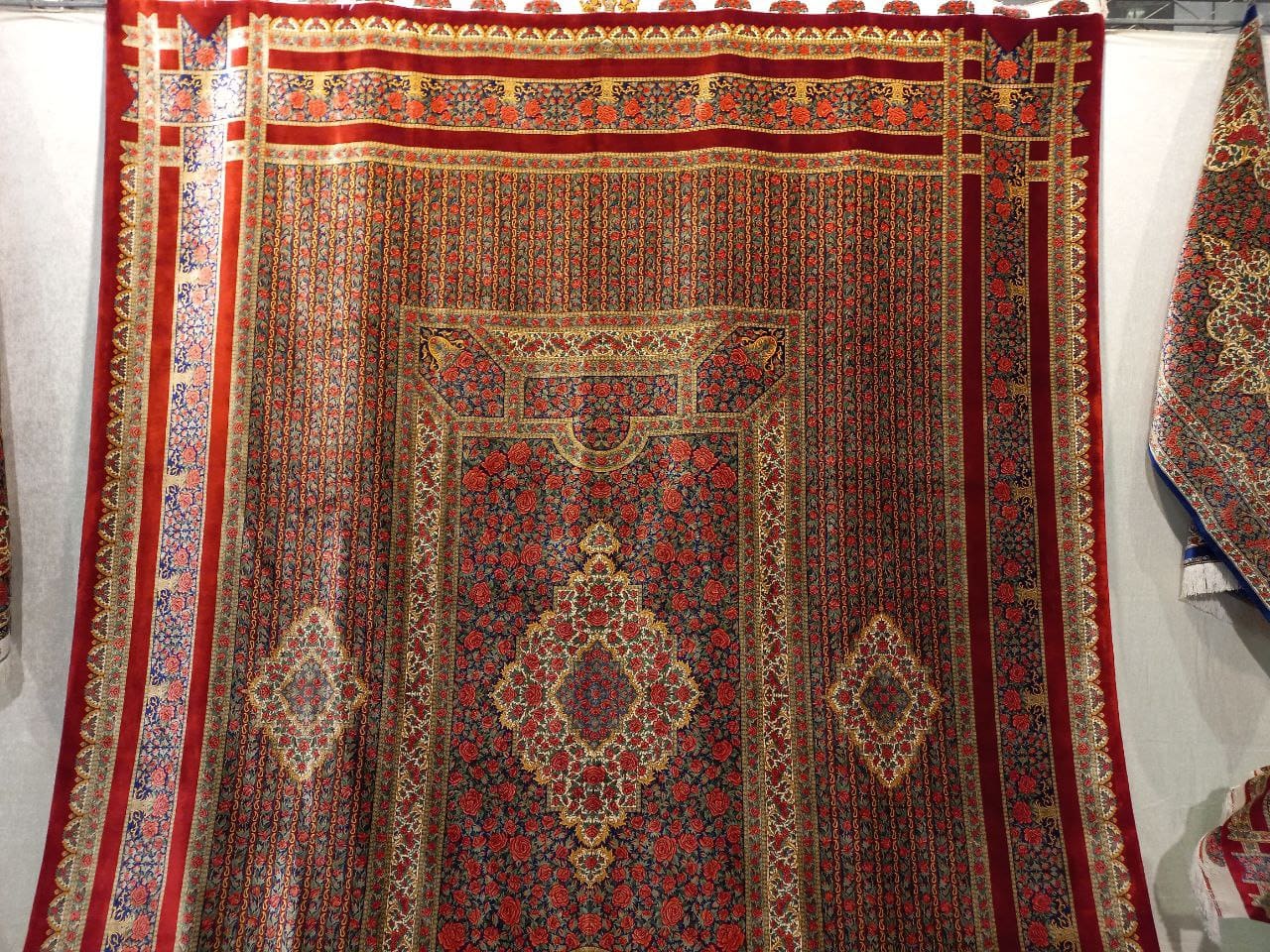
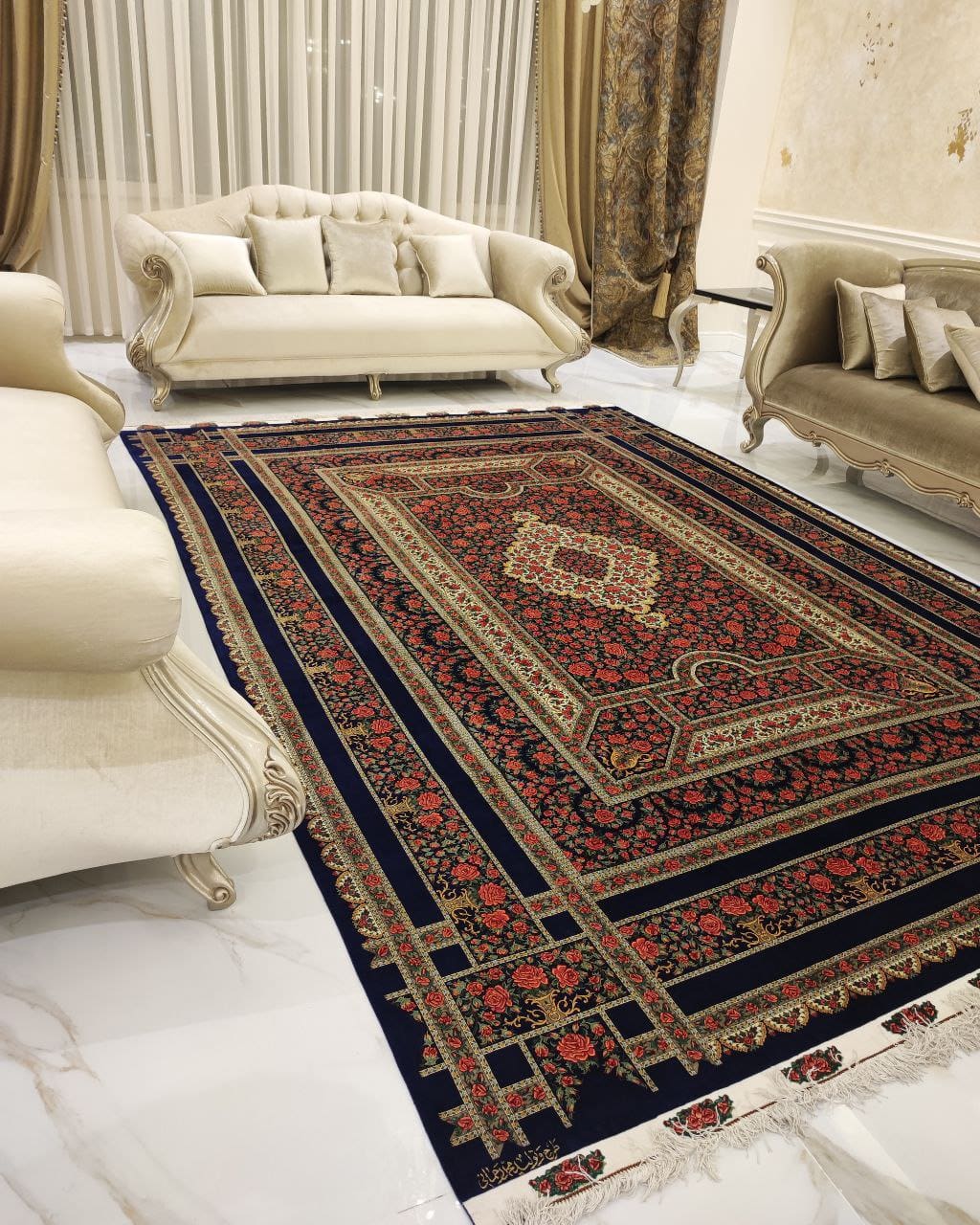
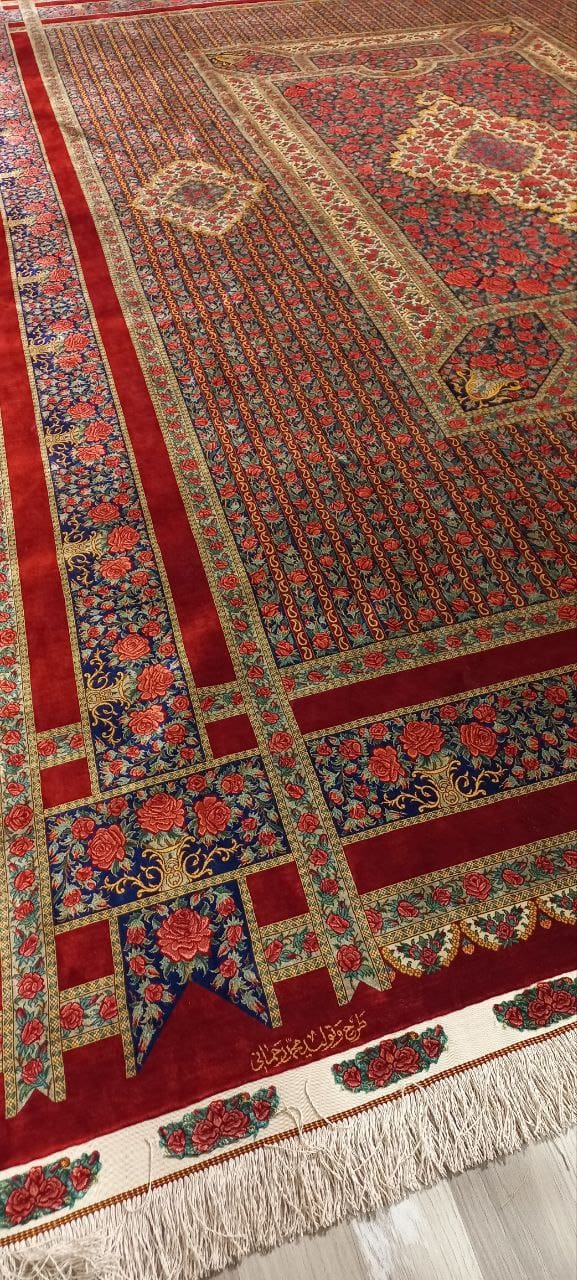
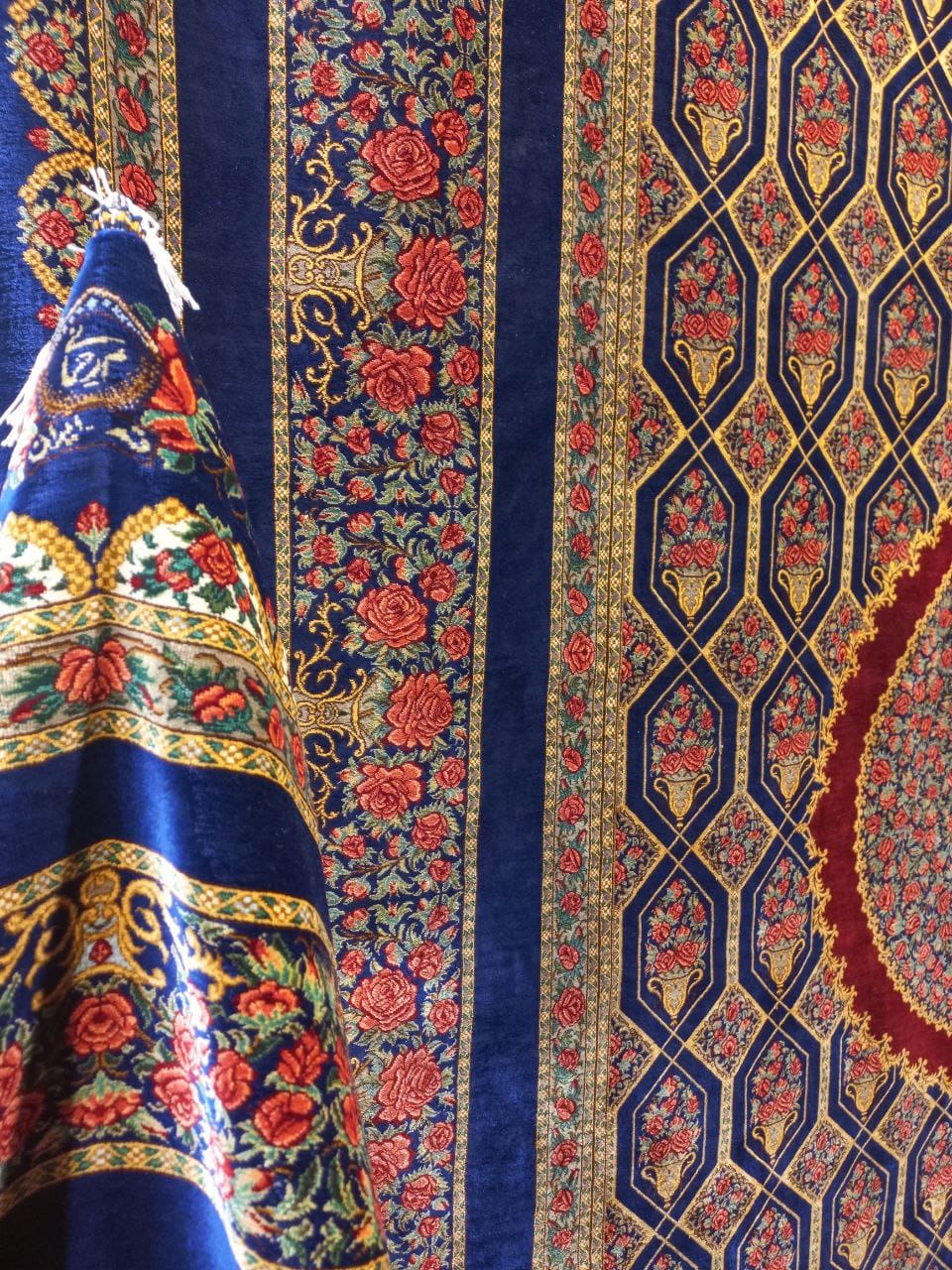
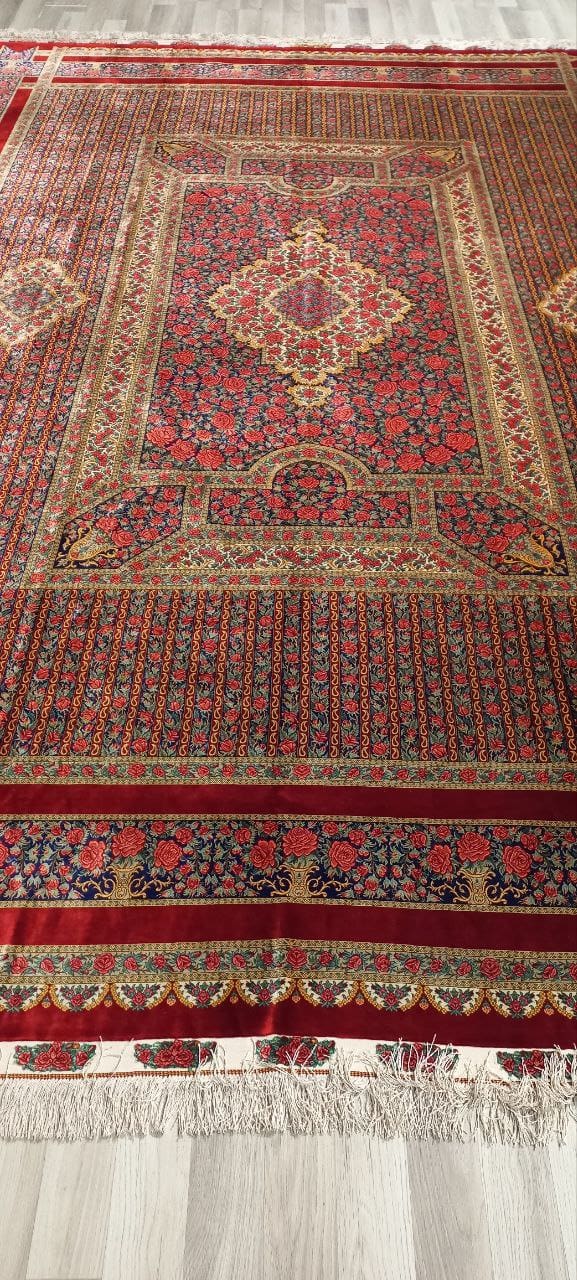
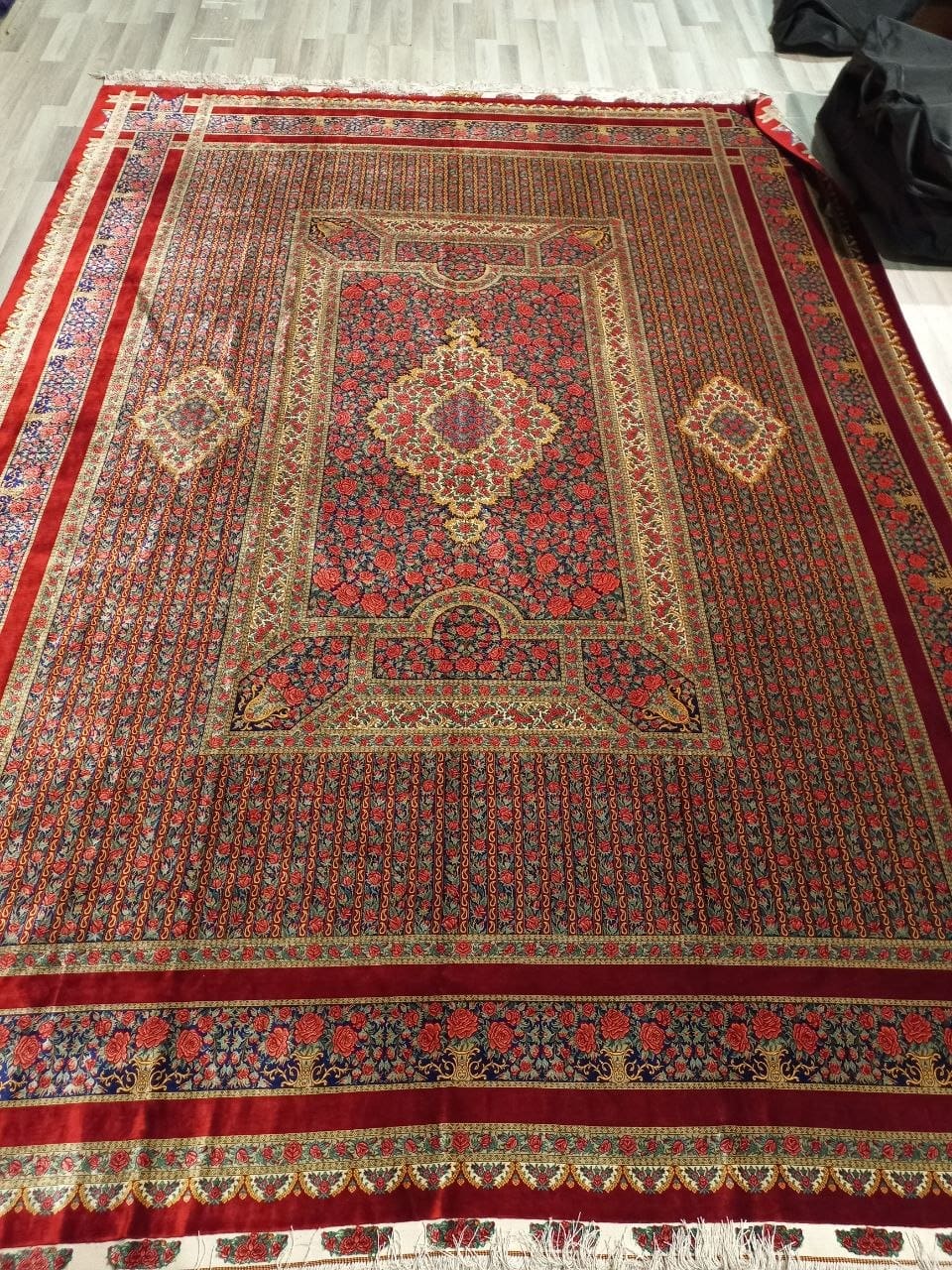
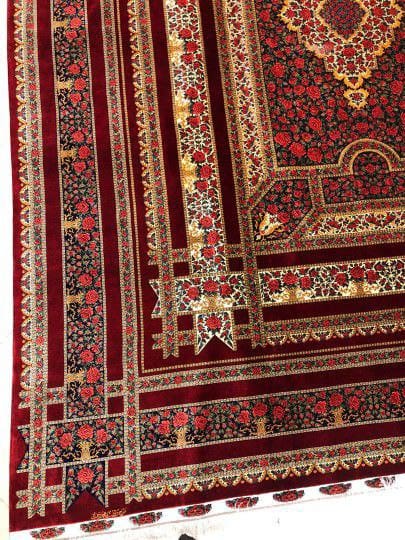
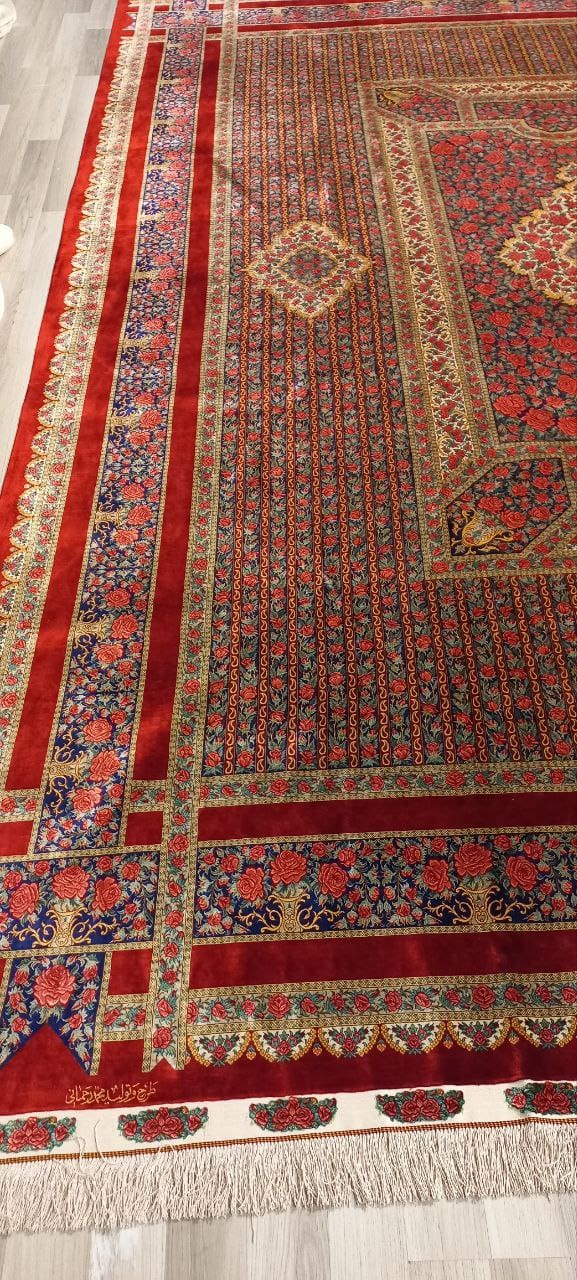
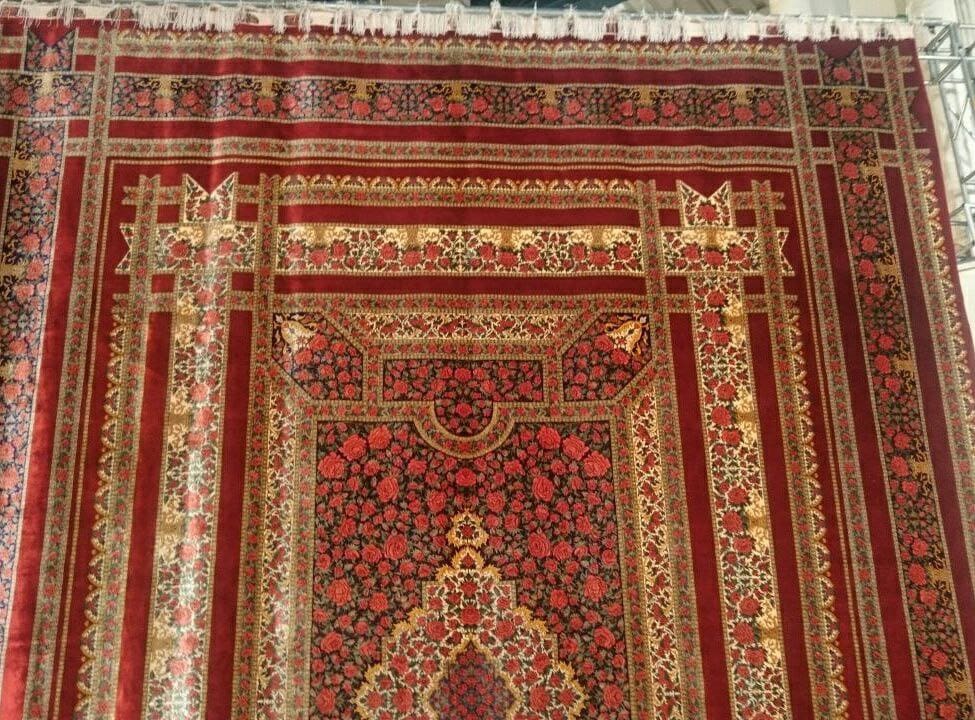
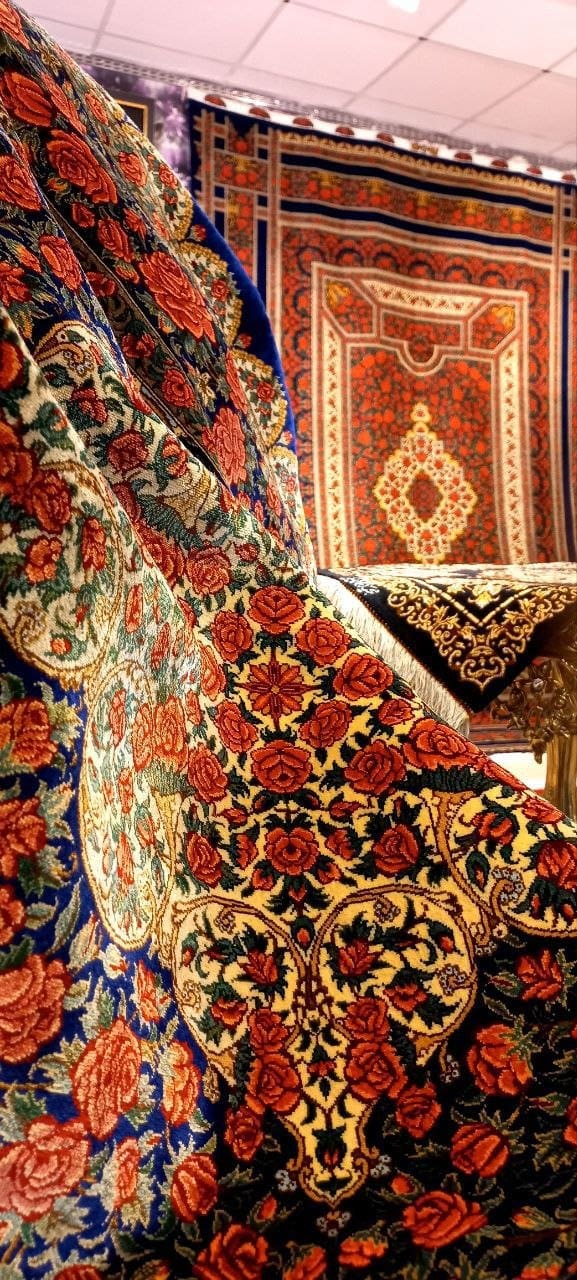
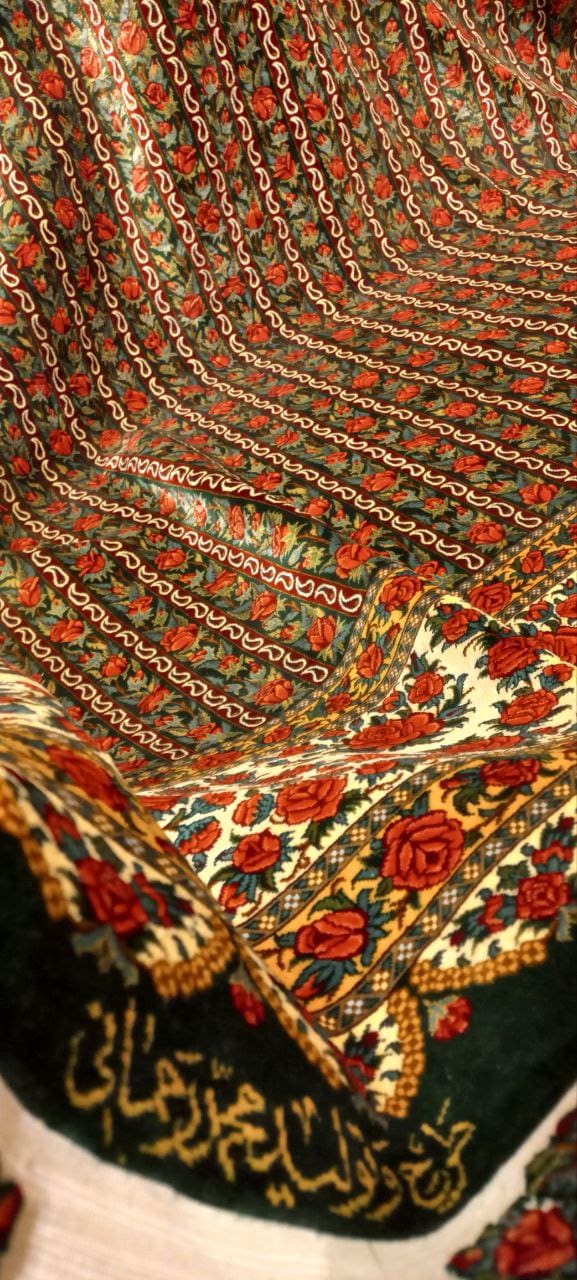
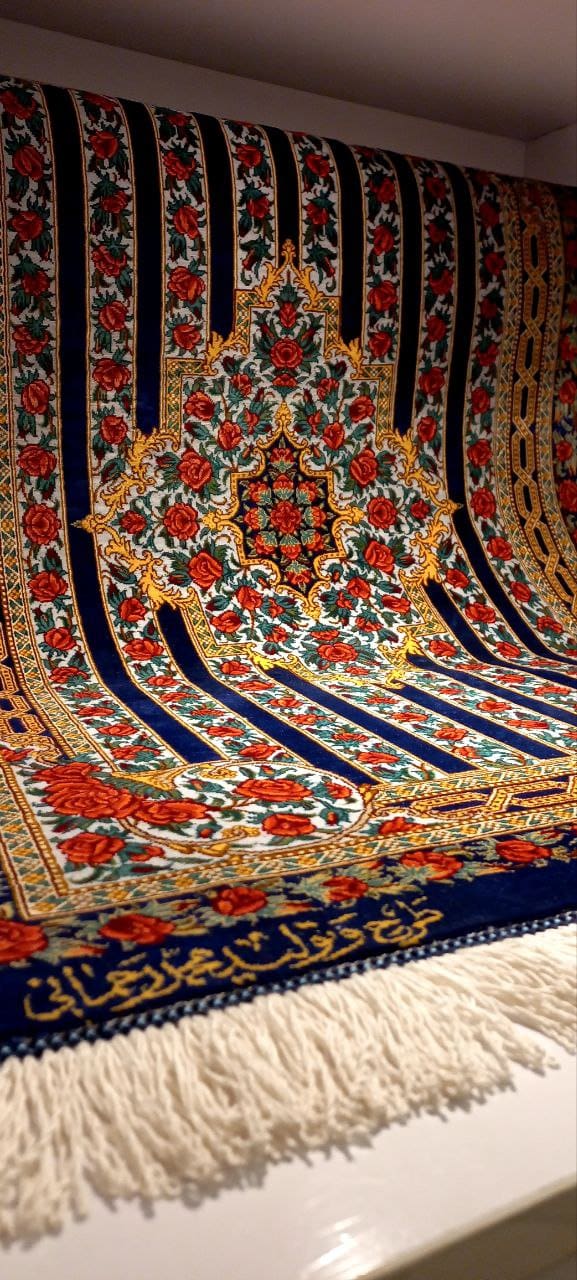
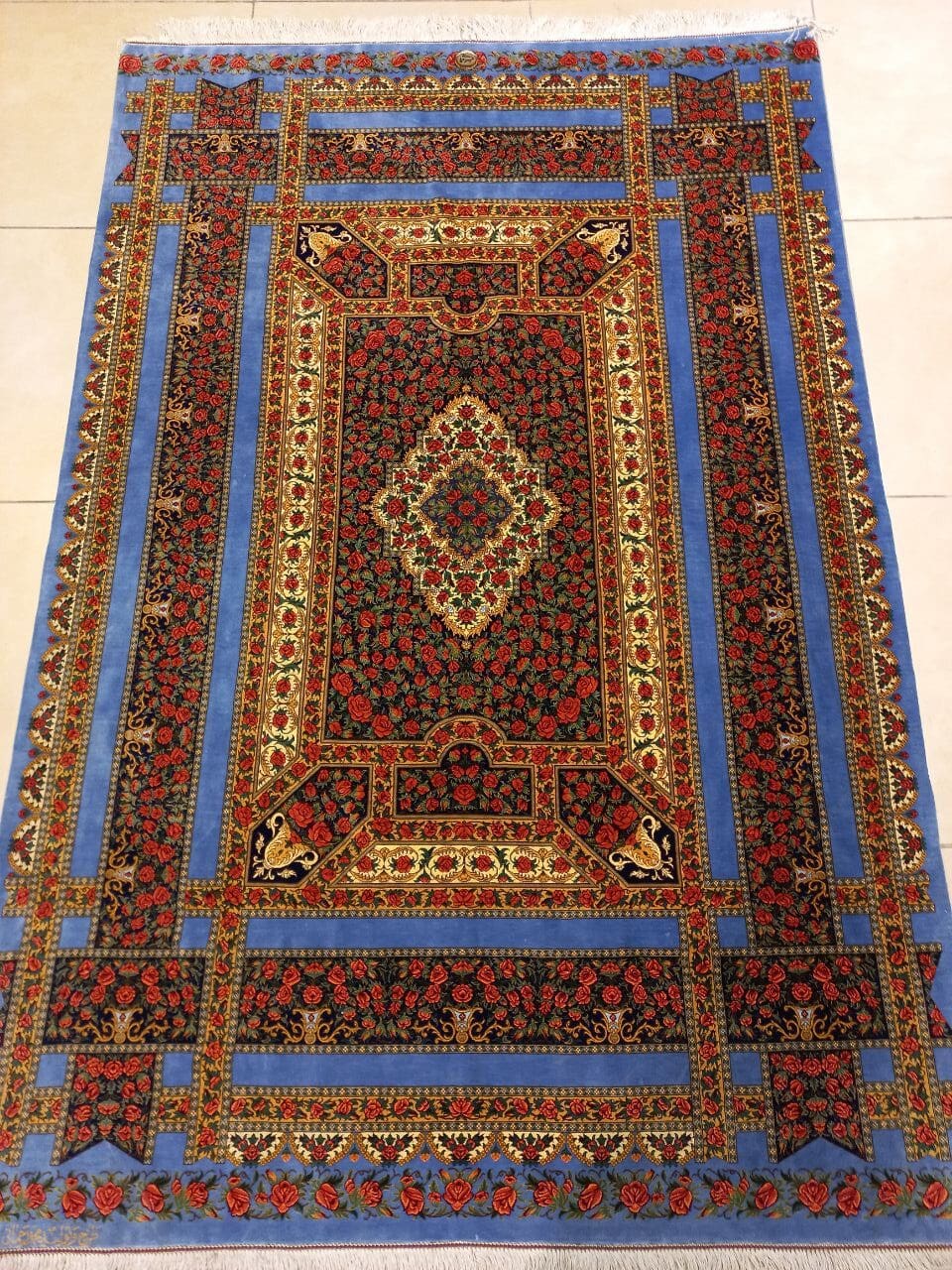
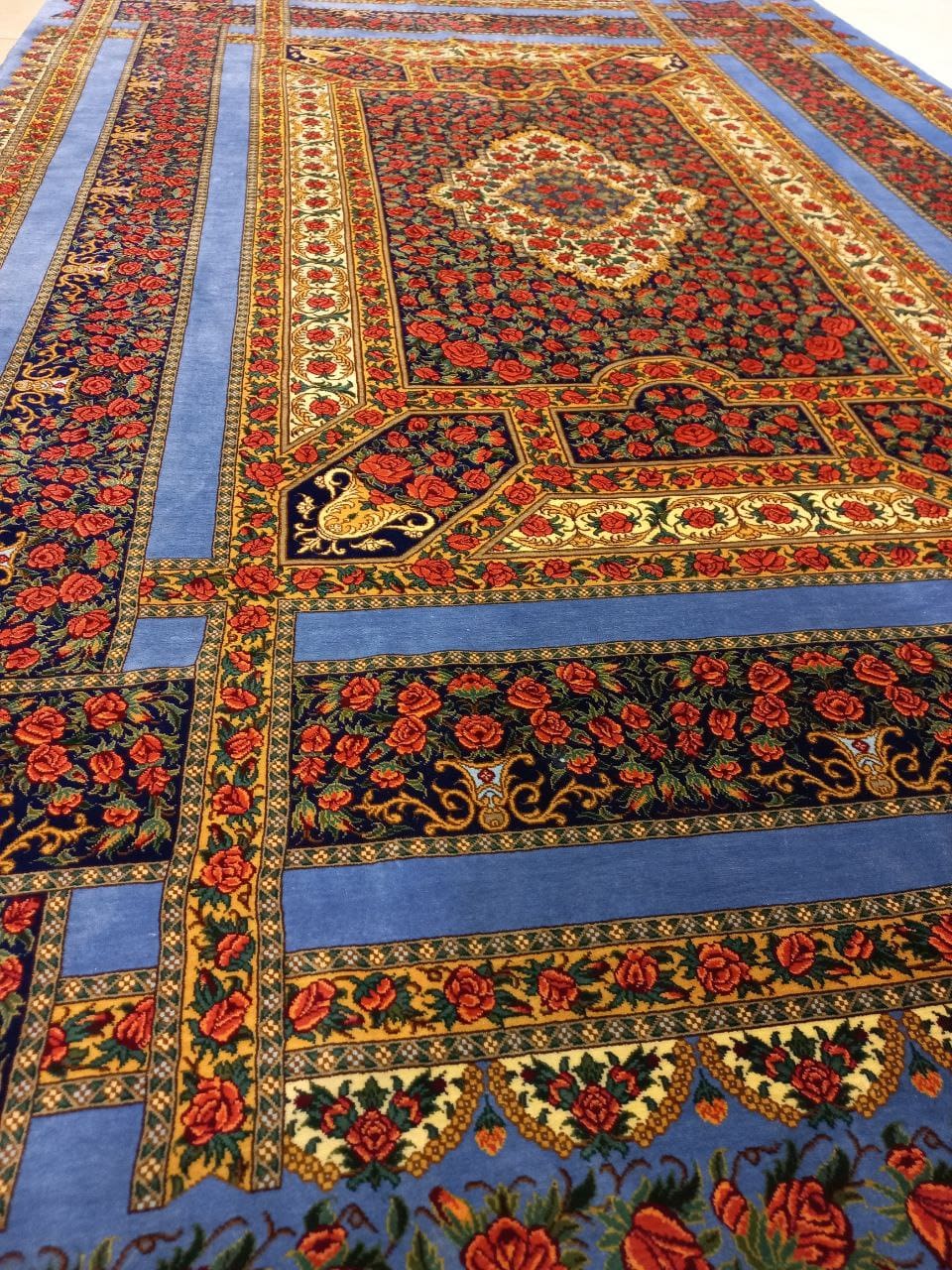
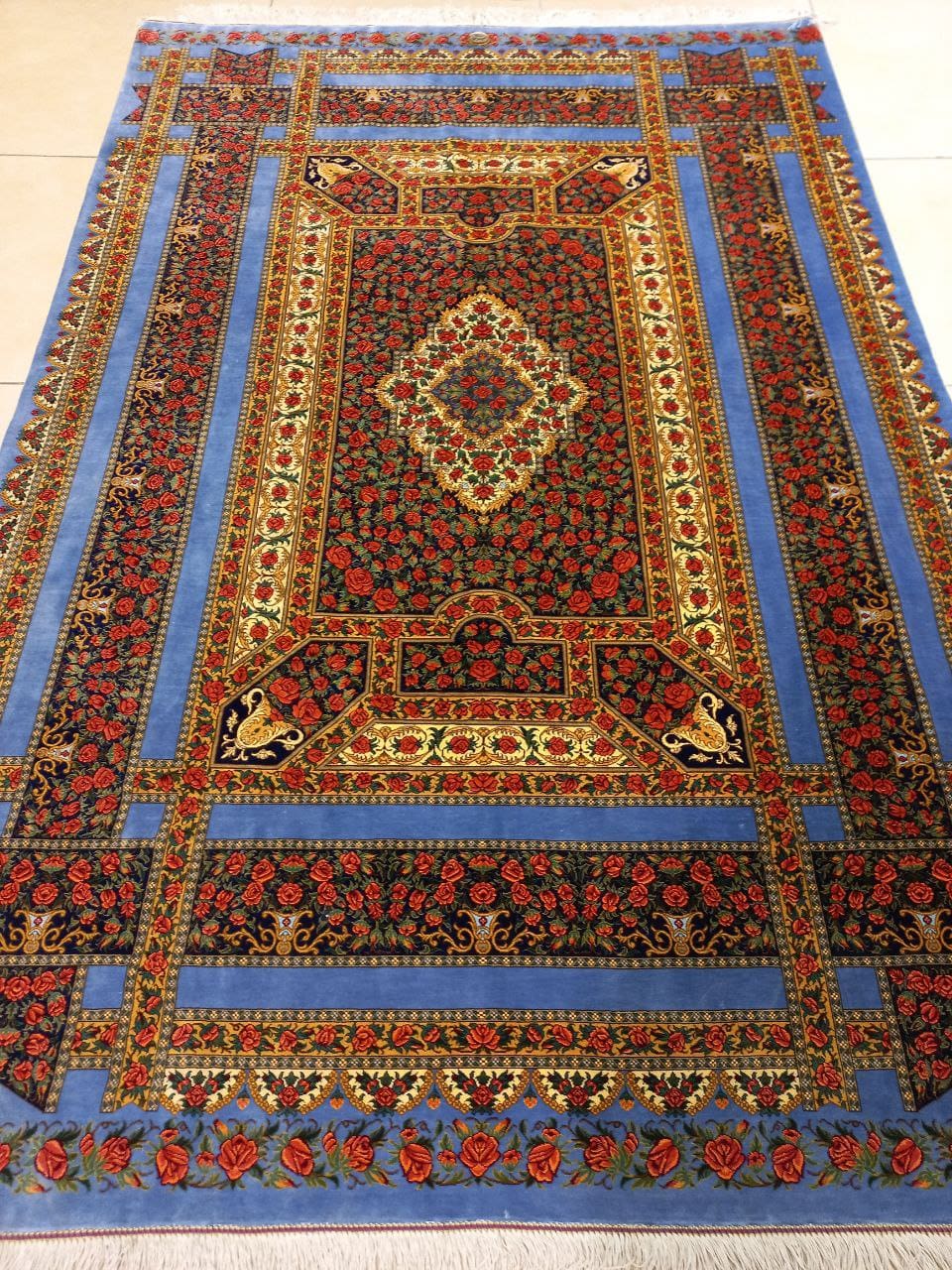
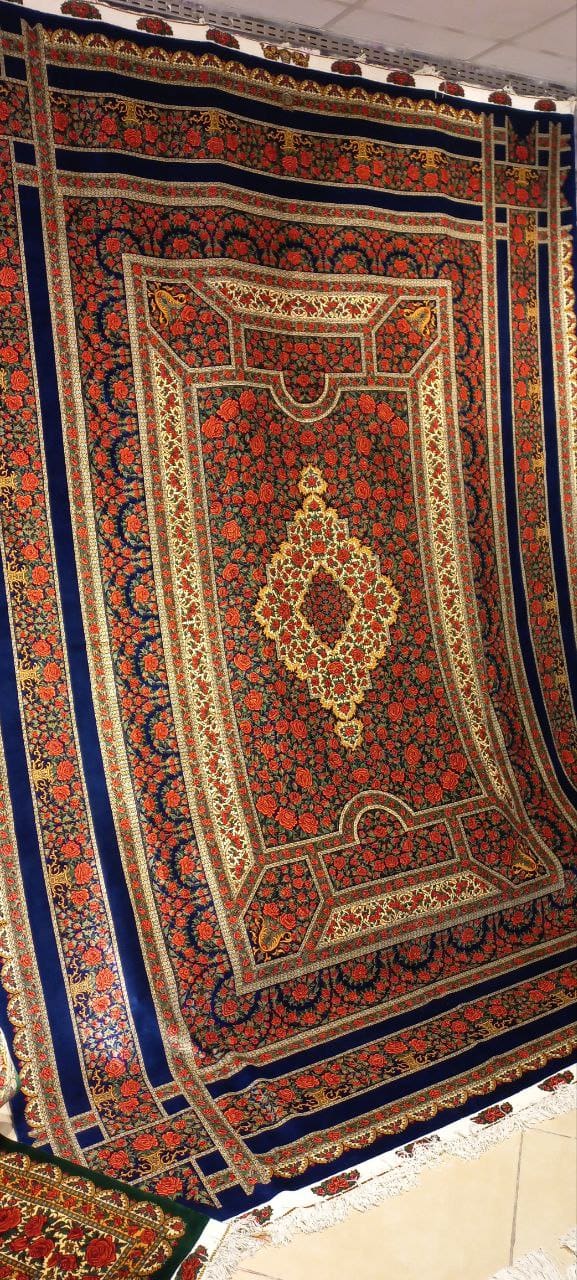
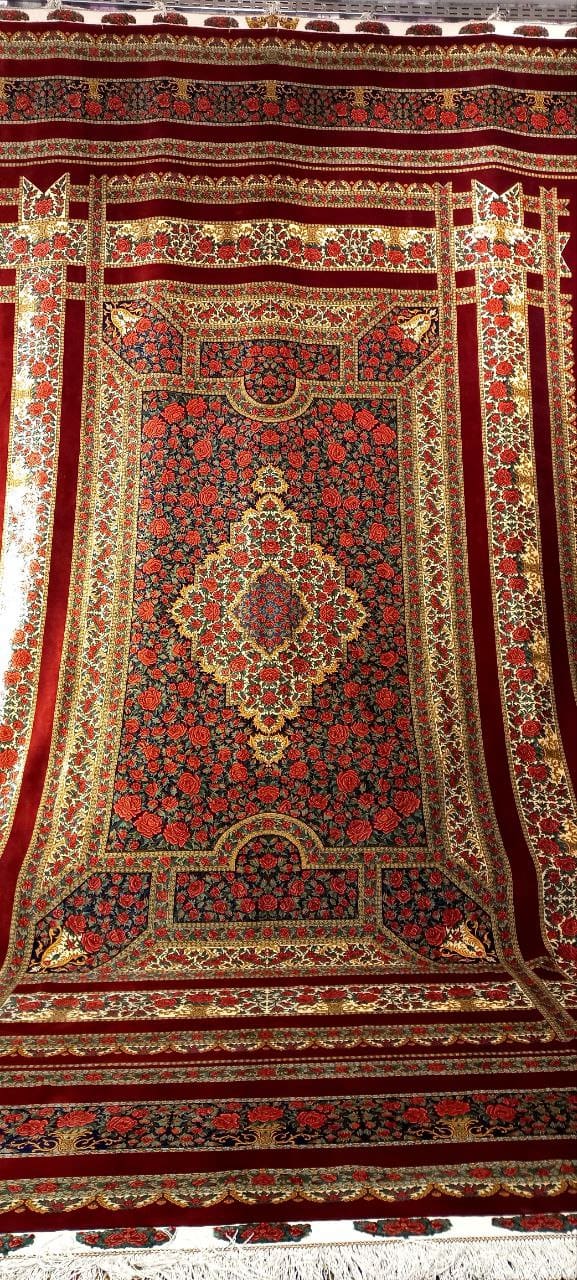
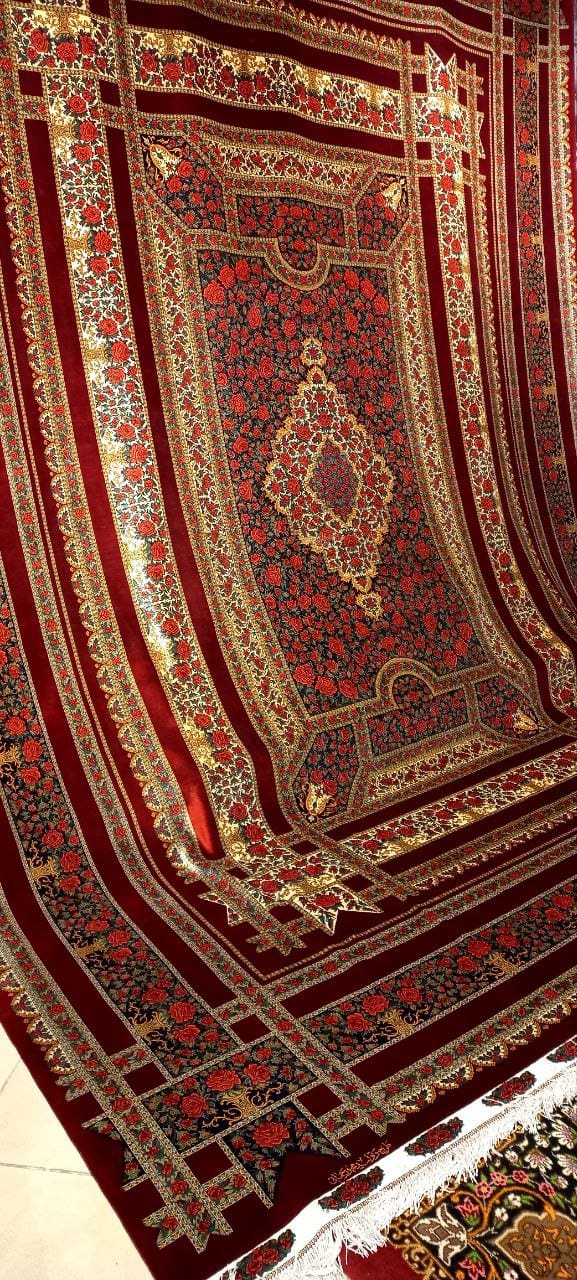
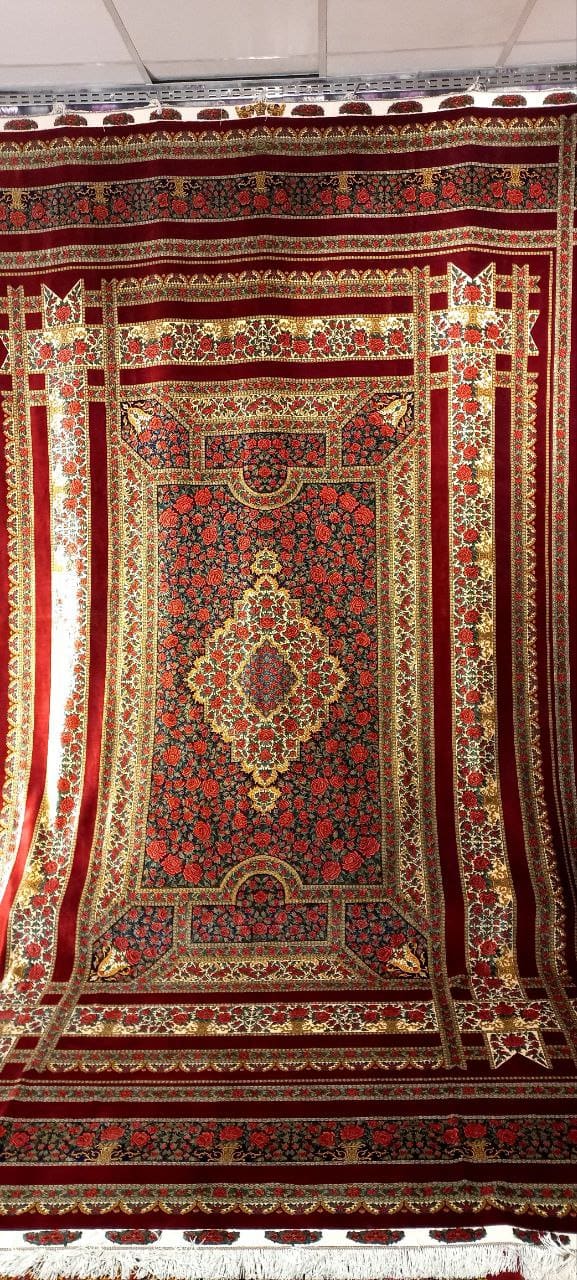
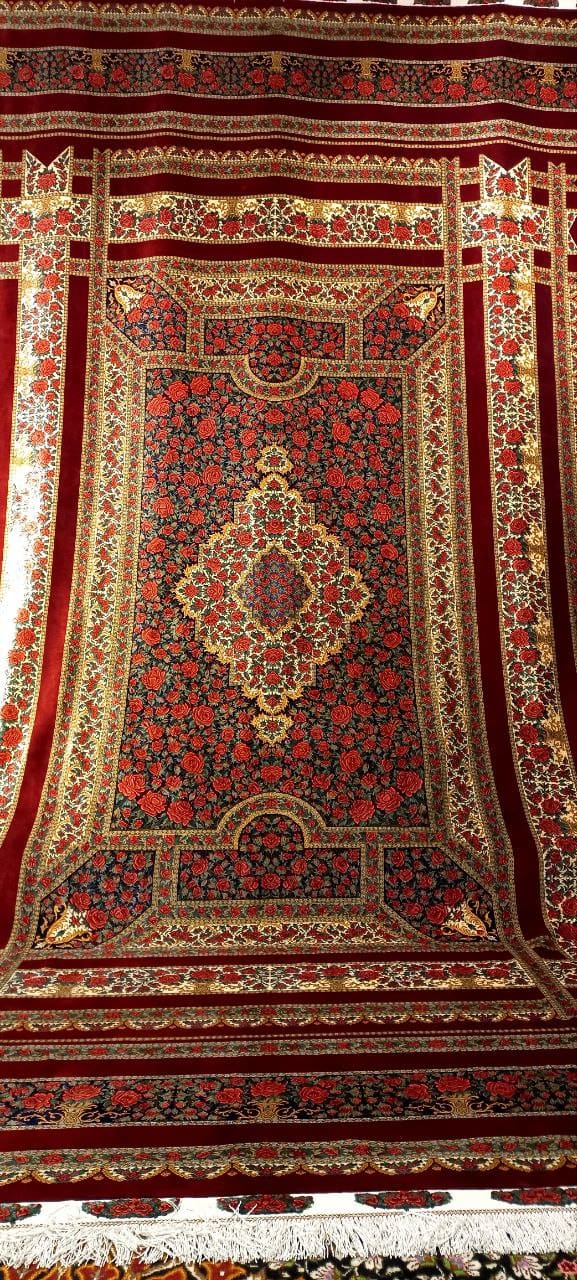
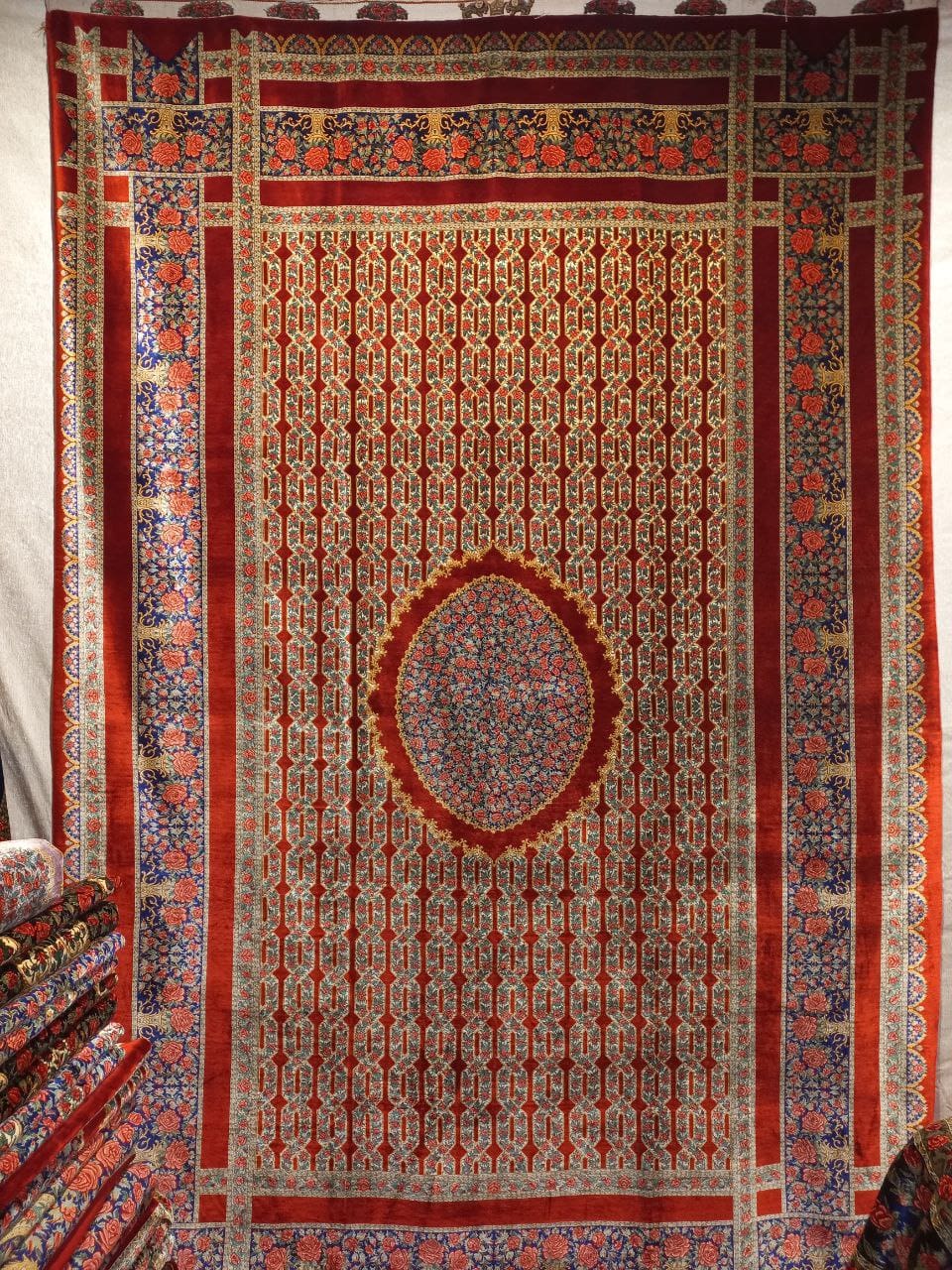
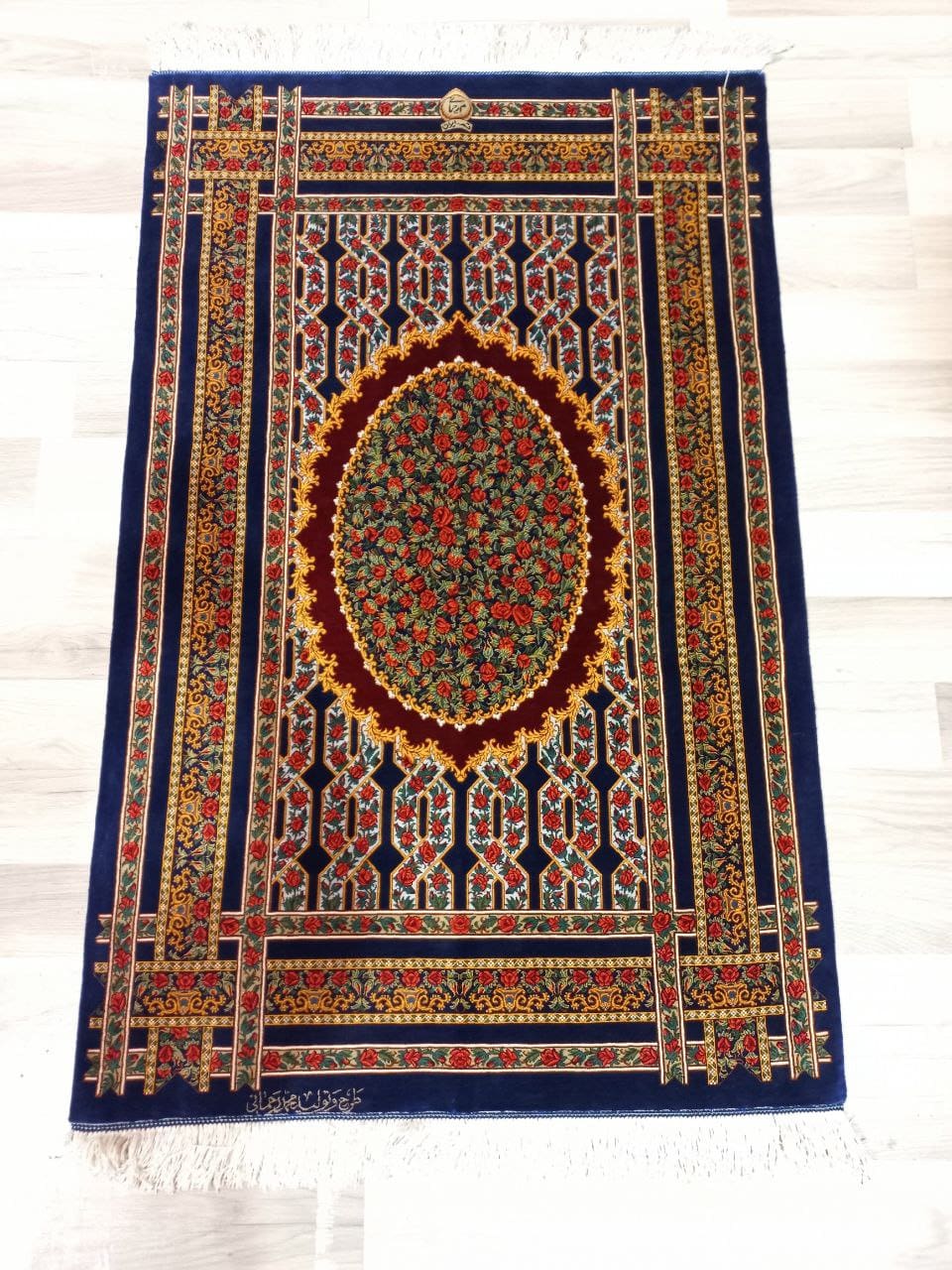
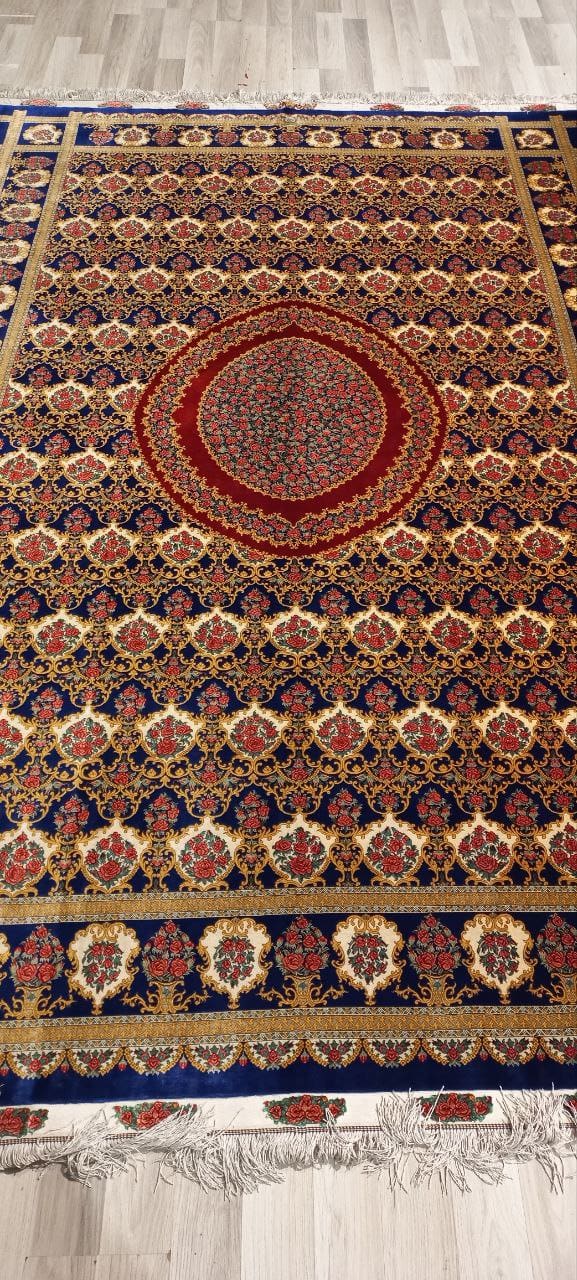
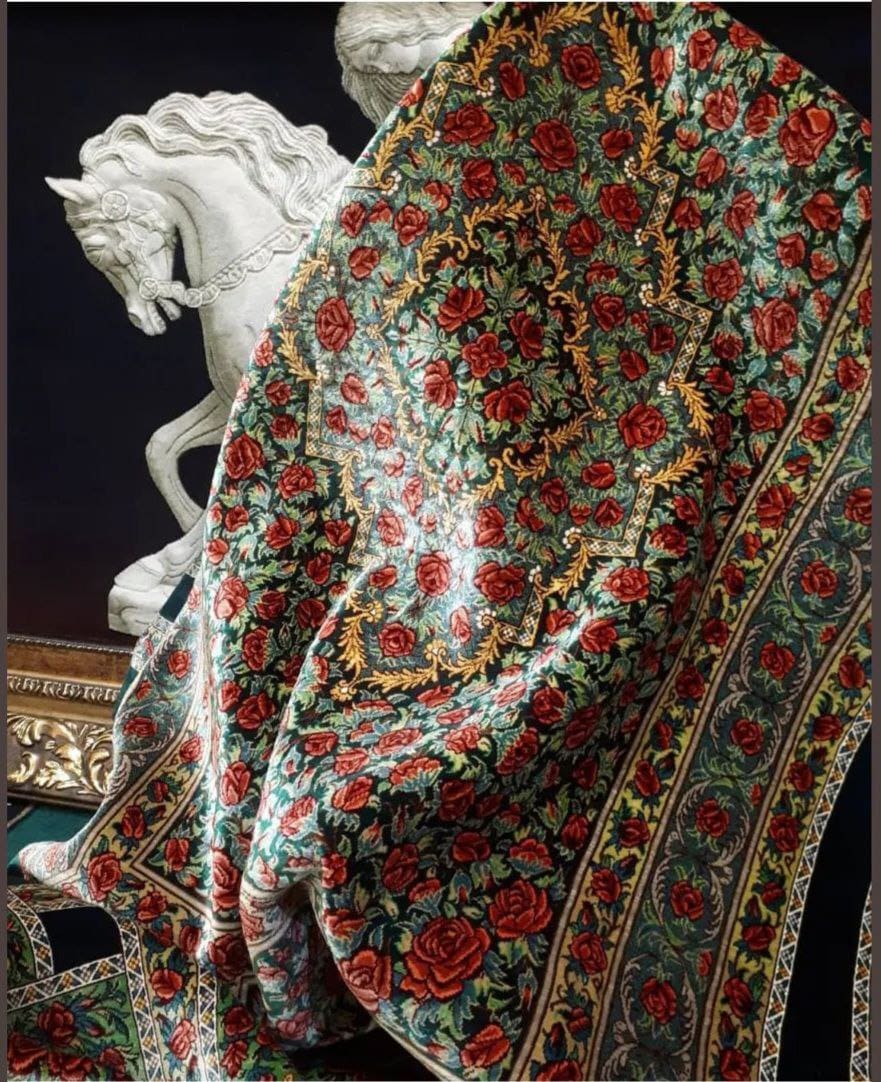
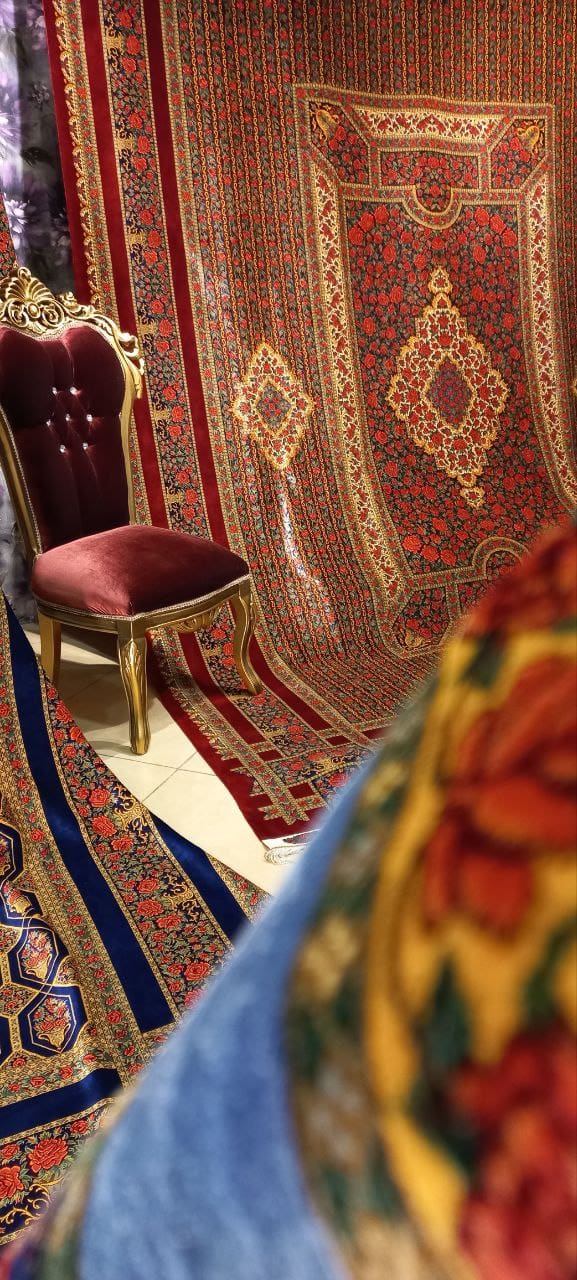
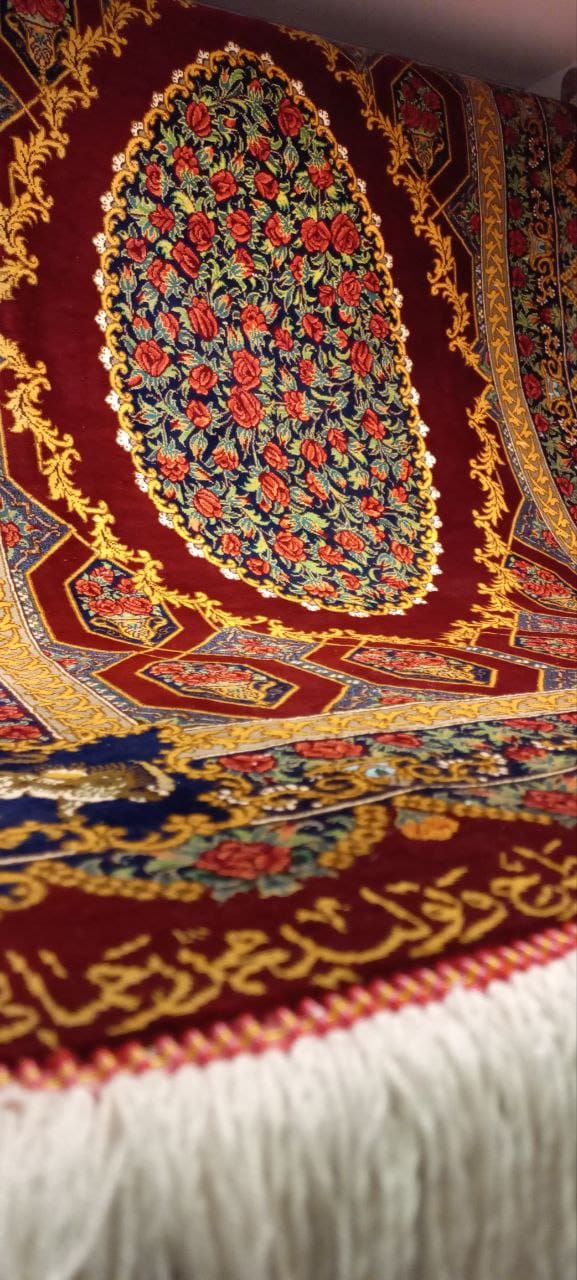
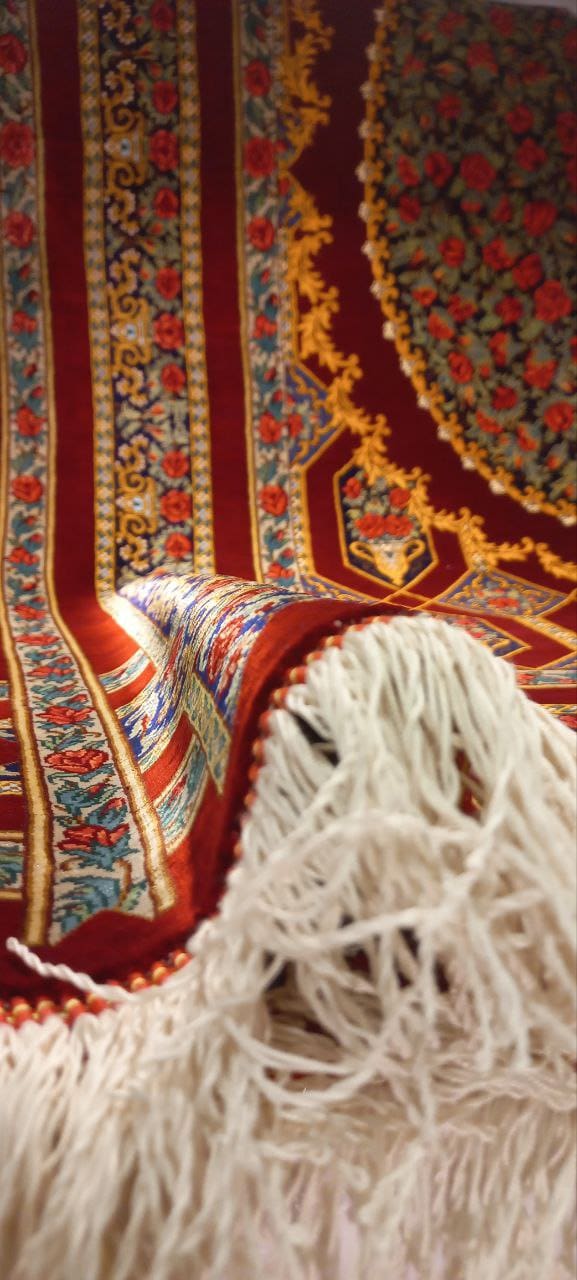
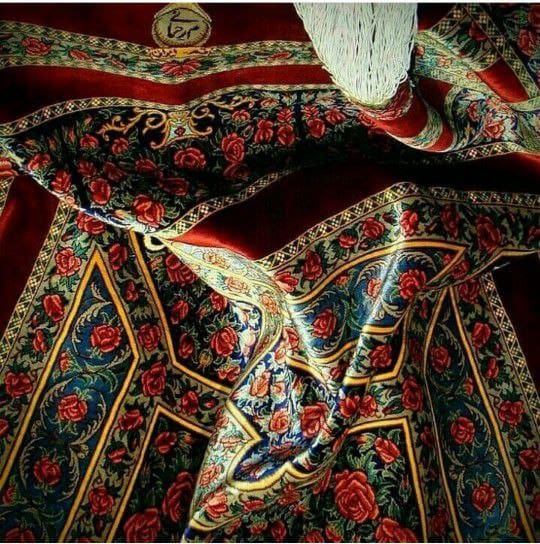
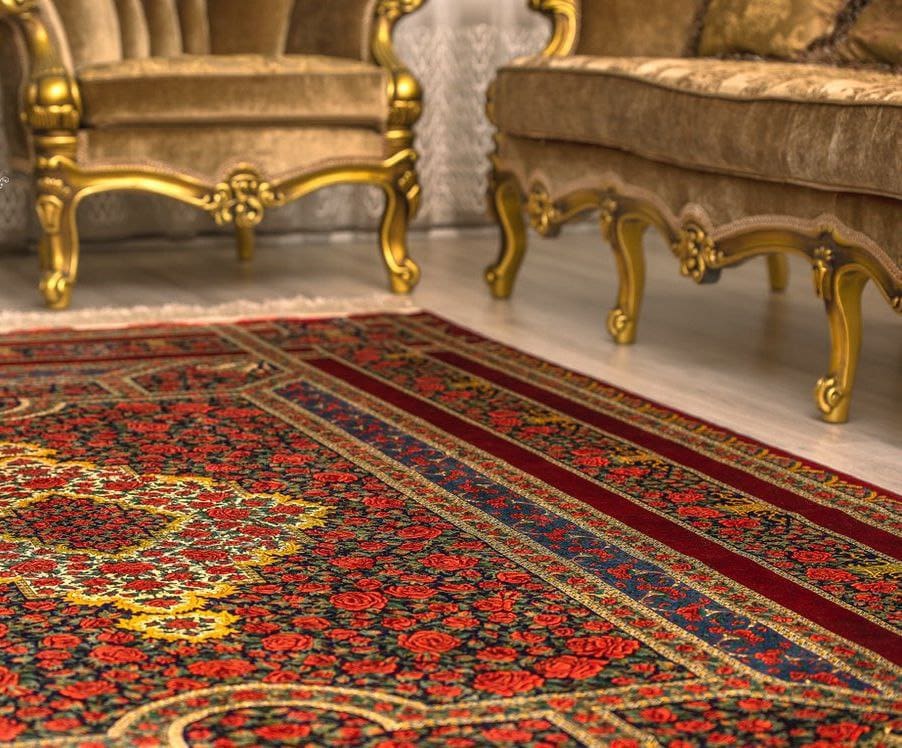
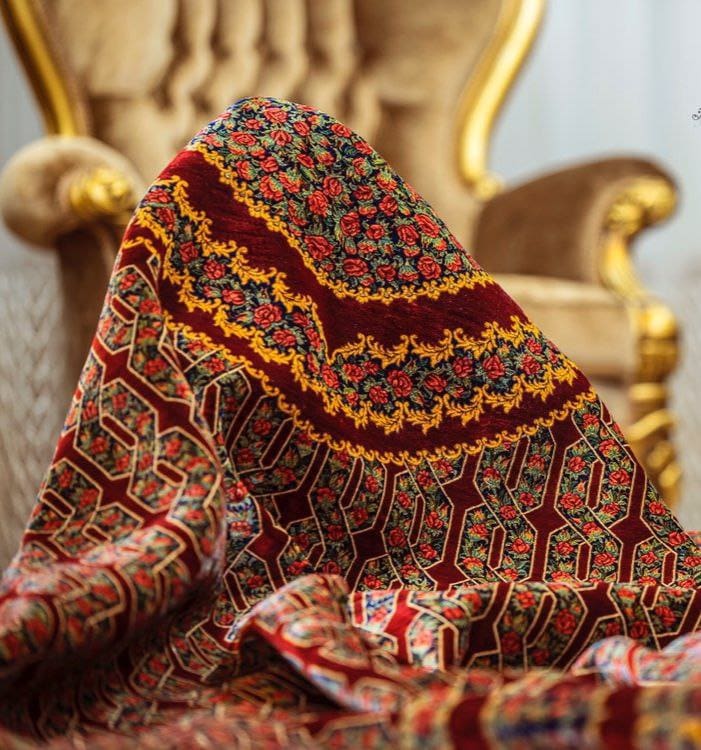
Rose motifs have a long history in Persian art, with historic rugs from Kerman and Bijar particularly known for their lush, naturalistic floral patterns. The Rahmani family recognized the timeless beauty of these classical eras — and created something entirely new from it: a modern, stylized version of the rose motif marked by clear, harmonious color compositions, finely graded shading, elegant, flowing forms, and a perfect balance between tradition and modern line work. This design became the Rahmani signature, and later one of the most widely imitated motifs across the entire Qom rug scene.
A Pioneering Motif That Changed the Industry
What began as one family’s creative vision quickly became a trend that spread throughout the workshops of Qom, with other makers adopting and mass-reproducing elements of the Rahmani rose motif. Yet within the expert community, one fact remains undisputed: the originator, the innovator, and the true source of this modern rose design has always been the Rahmani family.
Rahmani rugs are distinguished by exceptionally fine knot density (typically 600,000–1,200,000 knots per square meter), pure natural silk of controlled origin, precise color transitions and soft tonalities, masterful floral composition, perfect symmetry and proportion, and the unmistakable Rahmani aesthetic — a style so influential within the Qom craft community that it is often referred to as the “Rahmani Rose School.”
A Family Story of Craft & Creativity
Like many of Iran’s great rug dynasties, Rahmani Carpet is a true family enterprise, with knowledge passed down through generations — from design, to pattern development, to quality control of the knotting itself. Each generation has contributed in its own way: the elder generations preserving classical craftsmanship, the younger generations bringing modernization, new color palettes, and digitally supported pattern development, united by a shared vision of carrying the Rose Carpet aesthetic forward as an iconic motif for luxury silk rugs. This blend of tradition and innovation makes Rahmani Carpet one of the most prominent names among Qom’s premium workshops.
Values & Working Philosophy
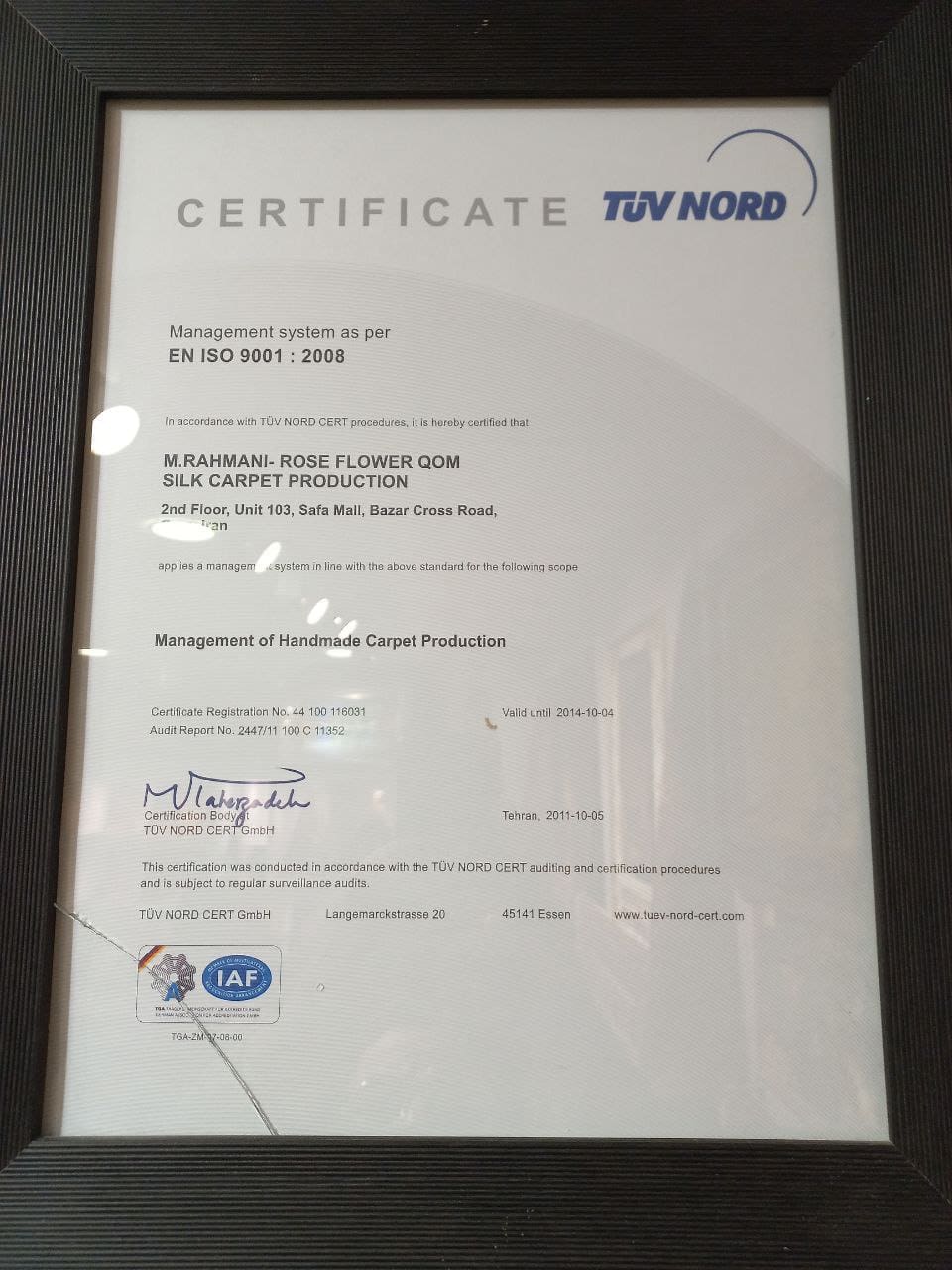
Rahmani Carpet stands for family ethics and social responsibility, fair working conditions across all workshops, controlled premium-quality natural silk, support for talented designers and weavers, and transparent production standards. The brand is recognized not only as an aesthetic innovator, but also as a maker that places real value on integrity and a sustainable craft culture.
Mission & Modern Positioning
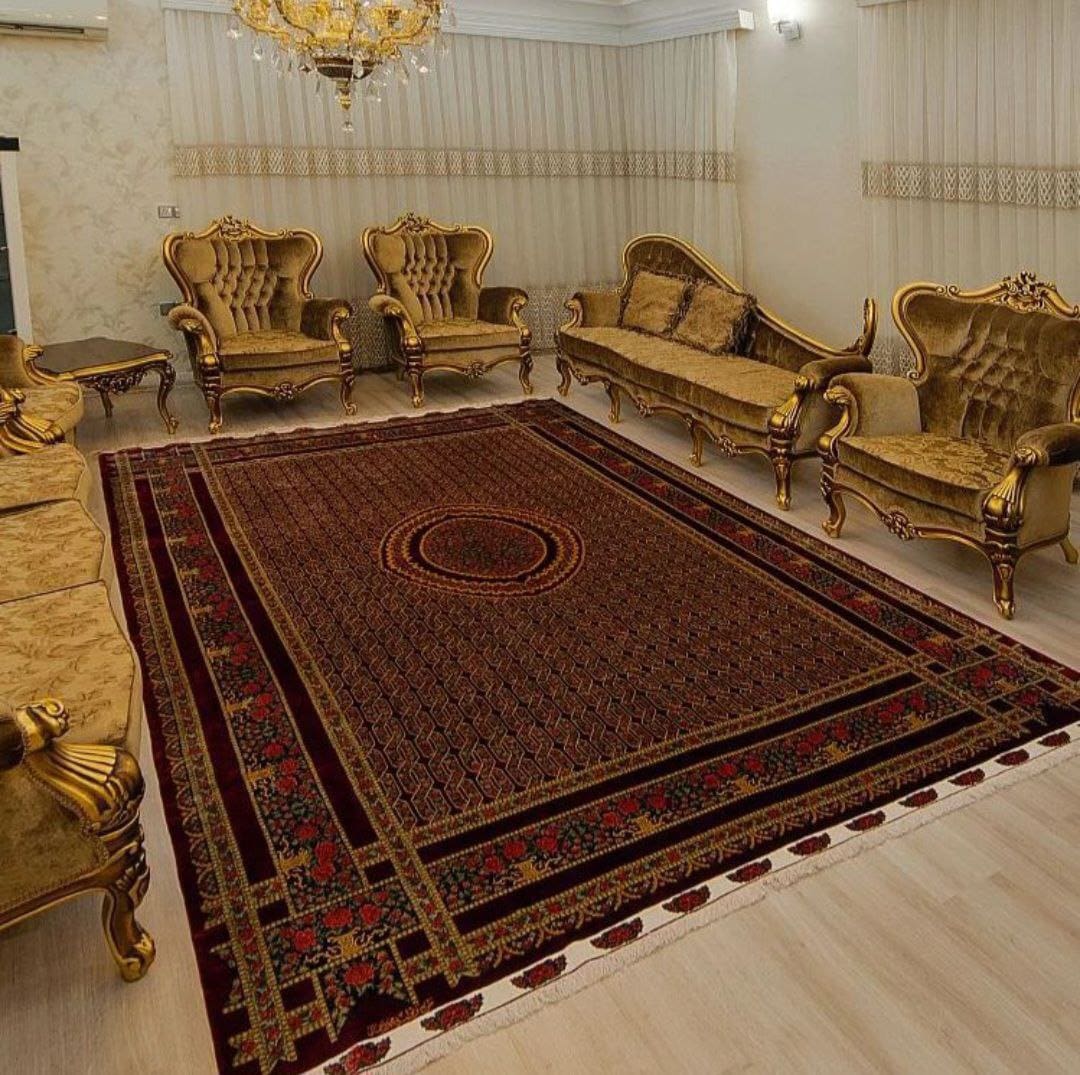
The family workshop pursues a clear mission: to artfully advance the Rose Carpet tradition, to create exclusive luxury rugs for international clients, to realize custom projects for collectors, galleries, designers, and interior architects, to preserve the aesthetic language of the rose in both modern and classical interpretations, and to keep quality at the very core of its identity. Today, the collection spans both classic rose rugs and more minimalist modern interpretations that resonate with audiences worldwide.
A Motif That Made History
The Rose Carpet has long since become more than a rug motif. It stands as a symbol of creativity in Qom, the signature of the Rahmani family, a cornerstone of modern Persian rug artistry, and a prized collector’s item across Europe, the Middle East, and East Asia. With every single piece, Rahmani Carpet carries the inherited art of the Persian rug into the next generation — refined, renewed, and immortalized in roses.
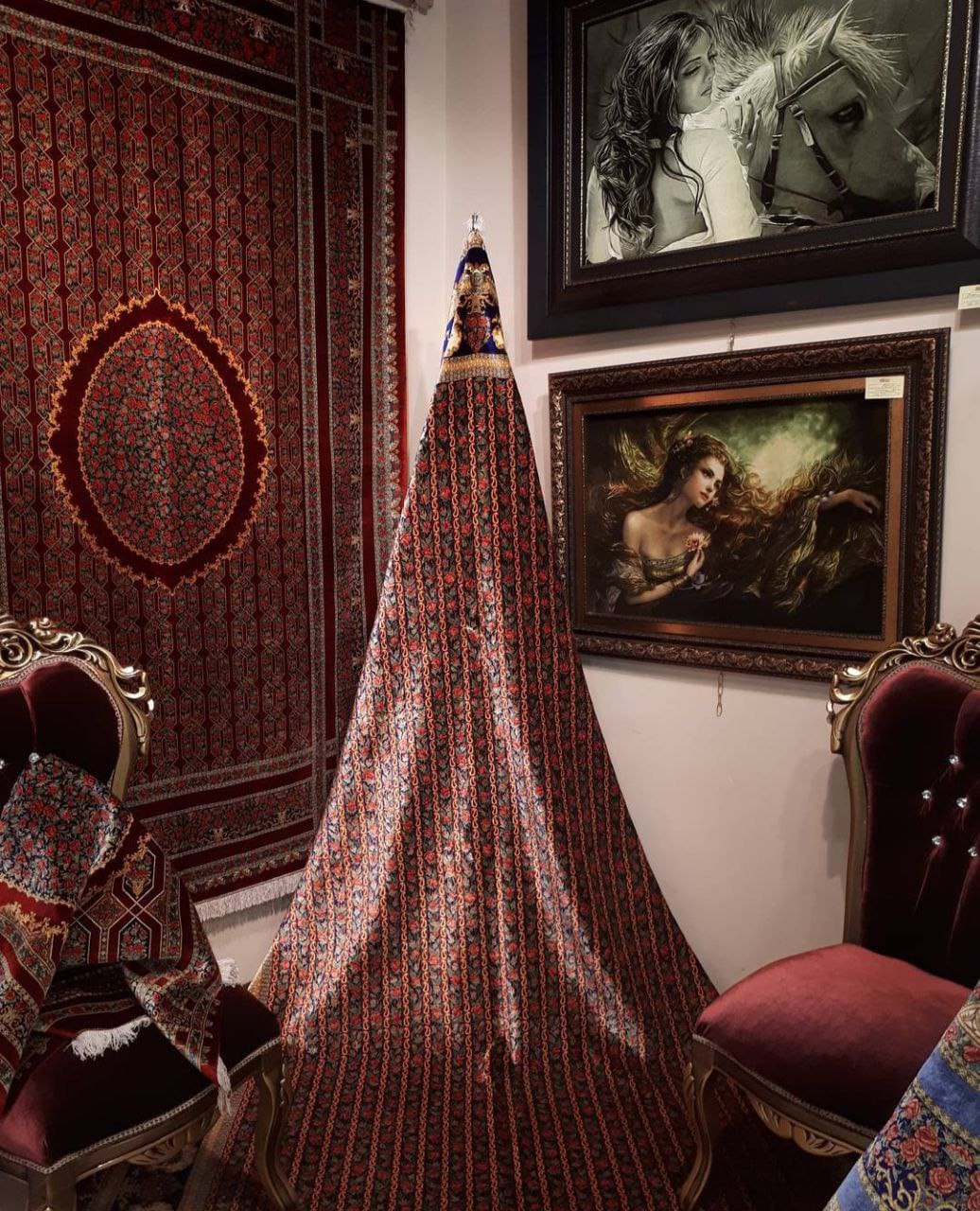
Gallery — Rahmani Rose Carpet, Qom Silk Rugs